What Should You Know Before Shipping a Car?
Before shipping a vehicle, it helps to understand how the process actually works, because once the pieces click together, everything feels far less confusing. You have brokers who coordinate the shipment and carriers who physically move the car.
Each plays a different role, and knowing the difference gives you a clearer sense of what to expect. As you look into timing, you’ll notice it shifts throughout the year. Some routes slow down. Others suddenly get busy. Weather, demand, and driver schedules all influence availability, sometimes overnight.
Pricing follows the same pattern. A route might be inexpensive one week and noticeably higher the next simply because more people are trying to ship at the same time. That’s normal, but it catches many first-time shippers off guard. Plenty of other first-time worries come from common car shipping myths rather than from how shipping actually works.
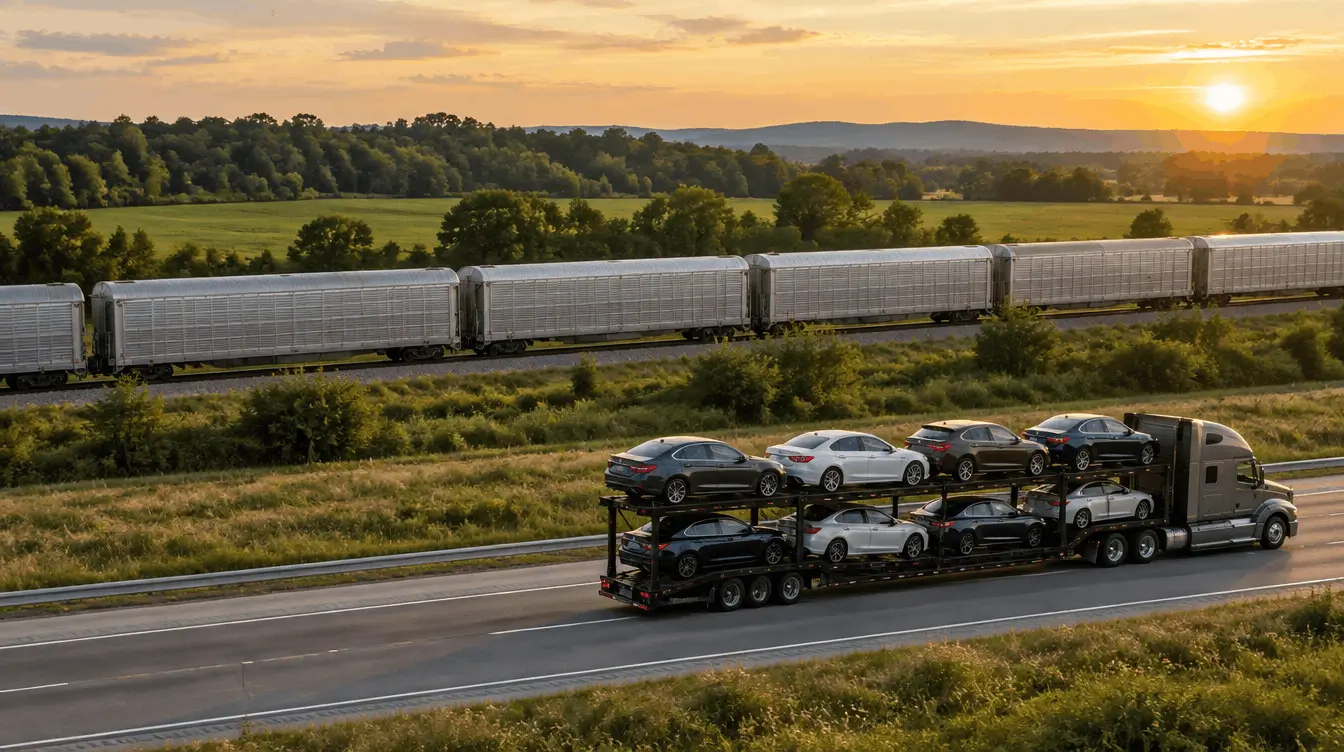
Another common point of confusion is door to door service. It usually works well, although those large trucks cannot always reach tight residential streets. In those cases, you and the driver pick a nearby open location that keeps loading safe and smooth. As long as communication stays steady, the entire process unfolds without much stress. And once you add proper car shipping insurance, you get another layer of confidence that protects you from the unexpected.

How Do You Get a Fair and Accurate Car Shipping Quote?
A quote is only useful if it reflects the real market, so the first step is understanding how quotes are formed. Distance, timing, transport type, demand, and vehicle details all shape the number you receive.
When a quote lines up with what carriers are actively accepting, everything moves quickly. If it doesn’t, shipments stall. That’s usually what happens with very low prices. They look tempting, but they rarely match carrier rates, which means no driver picks up the job and delays start piling up.
Once you compare a few realistic quotes, the difference becomes obvious. Reputable companies explain why a price looks the way it does and what it includes. They make the process feel transparent instead of mysterious.
Rivalane follows this approach by providing clear, accurate pricing and outlining what the shipment covers, including the car shipping insurance that protects your vehicle while in transit. When you understand how a quote is built, you can choose a company with confidence and avoid the uncertainty that so many shippers run into.
How Should You Prepare Your Vehicle for Pickup?
Preparing your vehicle ahead of pickup keeps the shipment running smoothly and gives both you and the driver a clear starting point for a safe, stress-free transport.
Vehicle Condition and Operability
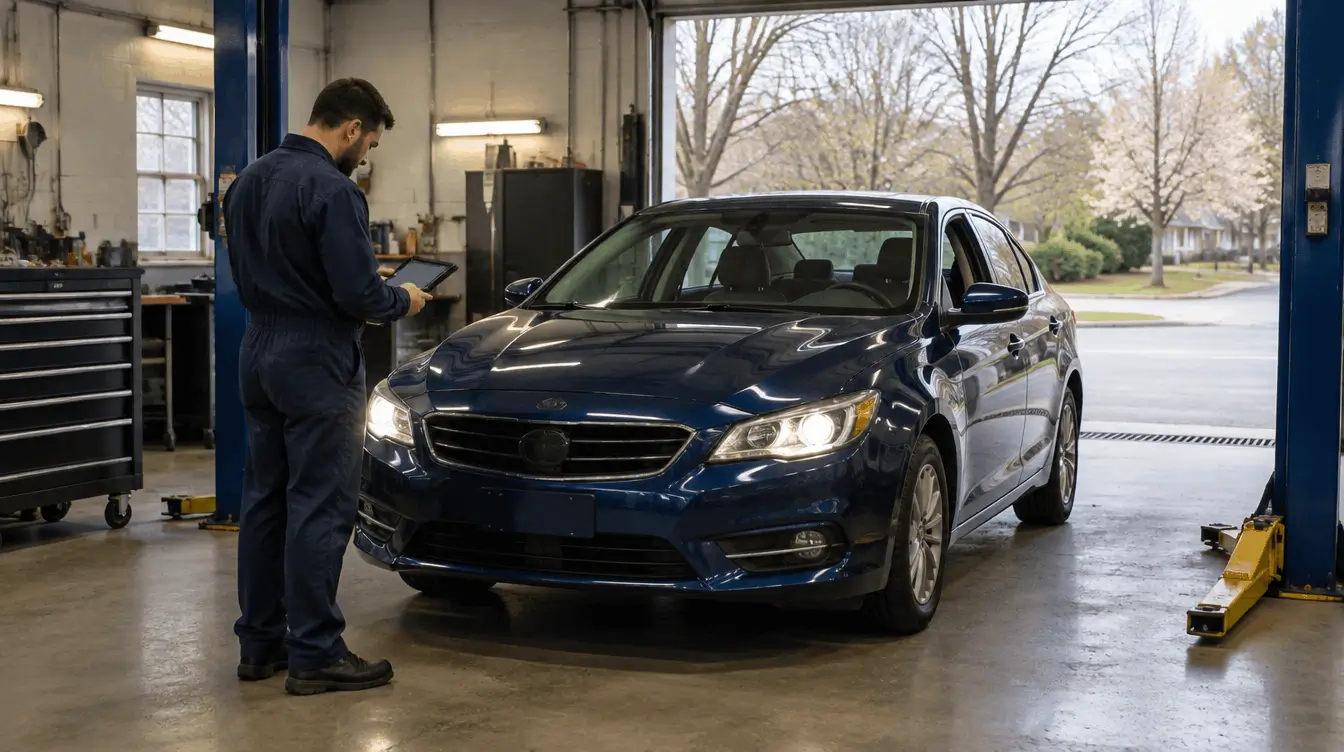
Drivers rely on the basics, so make sure the car can start, steer, and brake without any surprises. If the battery is weak or the steering feels tight, say it upfront.
Seriously, mention anything that feels off! A nearly empty fuel tank or a sudden mechanical quirk can slow everything down and might even require extra equipment. Being honest early on keeps pickup day calm and gives the driver a real chance to prepare properly. A small heads-up can save a big headache.
Cleaning and Photo Documentation
Give the car a quick wash. Nothing fancy. Just enough to see the surface clearly. You’ll take better photos this way, and those photos matter more than people expect.
They become your proof of condition, and trust me, you’ll be glad to have them if anything needs comparing later. It takes minutes, yet it protects both you and the driver. Many customers skip this step then realize afterward how helpful those pictures could have been.
Personal Items and Loose Accessories
Remove everything inside. Even the things that seem harmless. Loose items slide around, rattle, or break during transport, and they can scratch the interior if they shift in the wrong moment. If you have a roof rack, bike rack, or clip-on accessories, take them off when possible.
Keeping the car light and uncluttered helps the driver secure it safely and reduces risks on the road. These tiny adjustments feel small, yet they make a noticeable difference in how smoothly the trip goes.
What Insurance and Protection Should You Expect During Transport?
Insurance is the part of shipping most people overlook until the moment they wish they hadn’t. It sits quietly in the background, but it shapes your entire sense of security once the car is on the trailer.
When you understand what is actually covered and what isn’t, everything suddenly feels clearer. You avoid the stress, the guessing, and the confusion that trips up so many first-time shippers. This is why car shipping insurance matters so much.
Cargo insurance comes standard with reputable carriers. It protects your vehicle during transit and covers genuine transport-related damage.
Not every detail is included though. Light dust, tiny surface marks, or pre-existing scratches won’t count as new damage. Larger issues, if they occur, follow a documented inspection process. That is exactly why your photos and the Bill of Lading matter so much. They’re your baseline.
Sometimes basic coverage feels enough. Other times, especially with high-value vehicles or long-distance routes, a little extra protection brings peace of mind. It’s a modest upgrade that can offer big comfort. Rivalane keeps this simple by explaining what your shipment includes and which optional protections might actually be useful, not just “nice to have.”

How Can You Avoid Common Scams and Red Flags in Car Shipping?
Scams usually show themselves faster than people think. The first clue is almost always the price. When a quote drops way below everything else, pause for a second. Carriers do not work for pennies, so an unusually low offer signals trouble right away. Another red flag is missing MC or DOT registration. A real company shares those numbers easily. If someone avoids it, that’s your answer!
Pay attention to communication too. If you get vague responses, long silences, or pressure to book immediately, step back. Good brokers explain their process clearly and stay reachable. They also talk openly about their vehicle shipping insurance, not like it’s an afterthought. When a company sounds steady, transparent, and confident, you feel it. That’s the team you trust.
What Should You Expect on Pickup and Delivery Day?
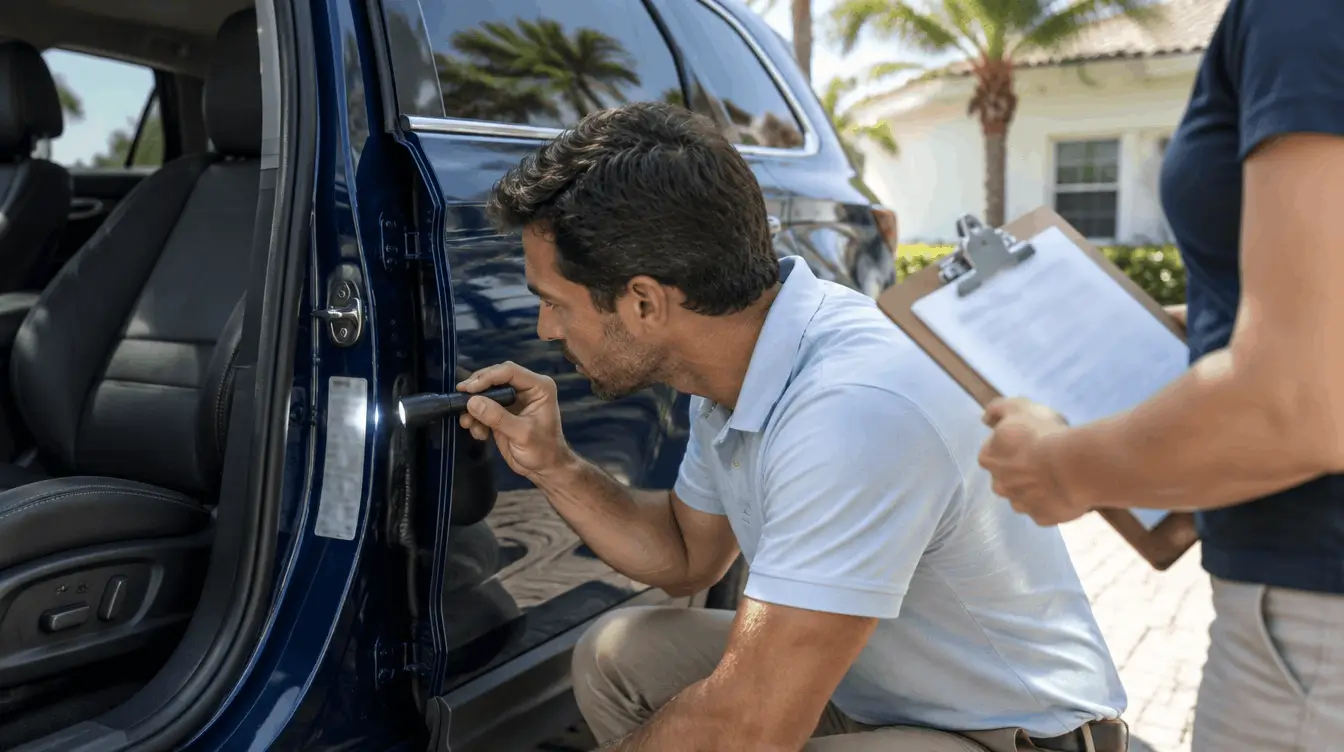
Pickup day feels smoother once you know the rhythm. These trucks are huge, so the driver may ask to meet in a nearby open area. That’s normal and honestly much safer. During the inspection, walk around the car together and review the Bill of Lading. This is your protection, so take a moment with it!
Throughout the trip, expect simple updates or quick calls. Delivery works the same way. Look over the vehicle calmly, compare it to your photos, and note anything that seems different. You don’t need to sound harsh. Just clear and honest. If something requires review later, your insurance supports you from start to finish. A steady, respectful handoff makes the whole process feel right.
When Does Paying a Bit More Make the Process Easier?
There are times when spending a little extra saves you from a lot of frustration. If you need a tight pickup window, that slightly higher rate pushes your job to the front of the line. It really does make a difference! The same goes for high-value cars or vehicles with low clearance. These require slower loading, special equipment, and a level of attention that cheaper quotes rarely support.
Remote areas play into this too. When carriers need to drive far off their usual routes, better pricing gives them a real reason to take the job. And if you choose enclosed transport, you add a layer of protection that owners of rare or luxury cars appreciate instantly. Combine that with the security of insurance, and you create a shipment that feels safe from the moment the driver arrives. We offer both open transport and enclosed transport so you can pick what feels right without guessing.
Final Words
Shipping a car can feel unfamiliar at first, but once you understand the steps, the entire process becomes easier to navigate. The right company guides you, answers your questions, and keeps things steady from pickup to delivery. That support is everything. When communication is clear and your insurance is explained in a way that actually makes sense, you feel more confident sending your vehicle across the country.
Every detail matters a little more than people expect, and choosing a partner who handles those details with care can completely change the experience. If you want a shipment that feels organized, safe, and genuinely stress free, Rivalane is ready to help you make it happen!