
Rivalane moves vehicles for dealerships, dealer groups, and manufacturers across the country. We arrange dealer to dealer transfers, auction pickups, new inventory delivery, and deliveries to your customers, with licensed and insured carriers matched to each move. Tell us the route, the vehicle count, and your timing, and we will handle the carrier side.


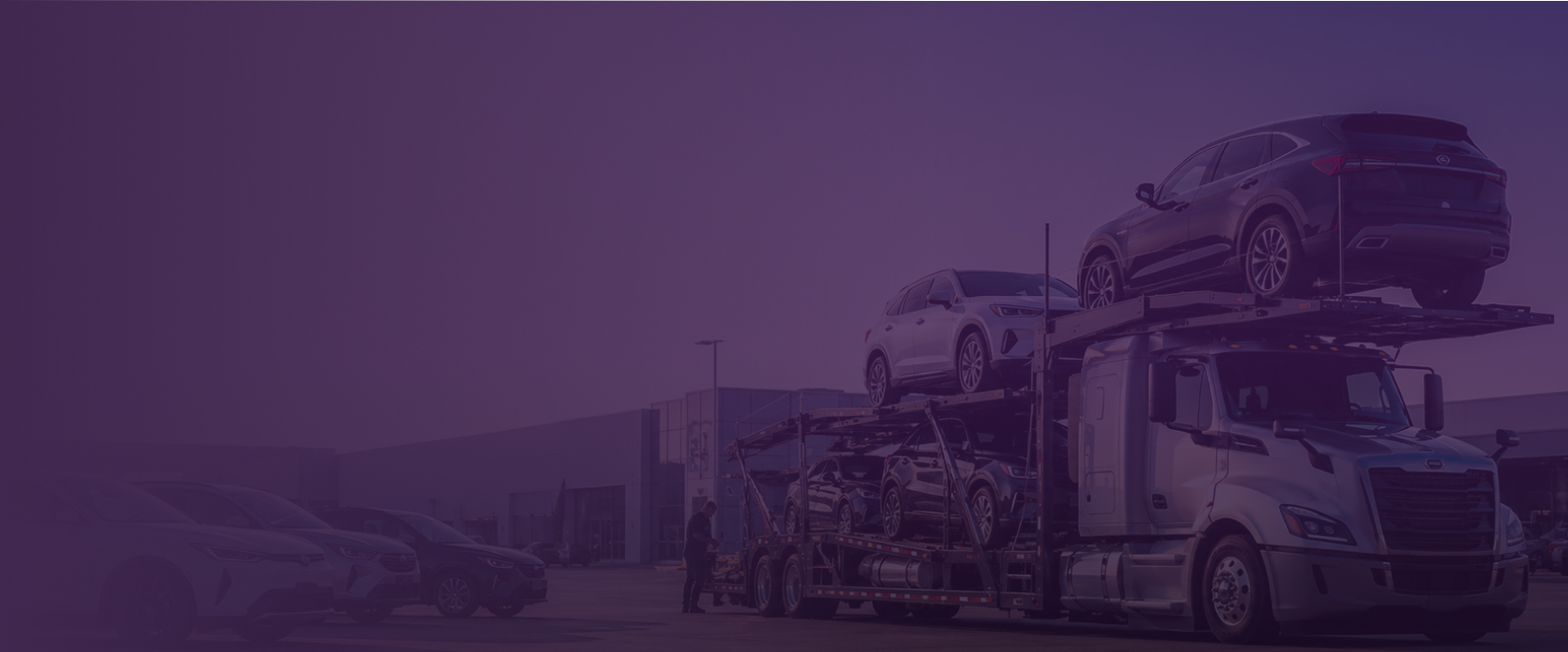


Dealer car transport works differently from regular consumer car shipping. A retail customer moves one vehicle from home to home. A dealership or manufacturer moves several at a time, between stores, auction lanes, storage yards, processing centers, upfitters, service facilities, and buyer locations.
Timing matters, because every day a vehicle sits unavailable can affect sales, floor plan costs, customer satisfaction, and operational planning. Dealer to dealer transport moves trade-ins, surplus units, and high demand inventory between locations, which helps balance supply and keeps the right vehicles in the right market.
Rivalane keeps the process simple. Send the route, the vehicle details, the timing, and the number of units, and we coordinate the carrier setup for the move.

Different teams move vehicles for different reasons. Here is how Rivalane fits into each part of the business.
Car Dealerships
Get a quote →Dealer Groups
Get a quote →Fleet, Rental, and Leasing Companies
See fleet transport →Auction Buyers and Sellers
See auction transport →Upfitters and Body Shops
Get a quote →Manufacturers and OEM-Related Teams
Get a quote →Don't see your business type above? If vehicles move as part of your operation, we can likely help.
Get a quote to check your fit →Automotive businesses usually do not need one size fits all transport. They need a carrier plan that matches the reason the vehicle is moving.
Multi-unit shipments come up constantly in dealership and manufacturer work. A single vehicle move is the exception, not the rule, once inventory, trade-ins, and deliveries are all running through the same location at once.
An auction run is the clearest example. A buyer wins several vehicles in one session, and coordinating auction pickups together is far more efficient than arranging each one separately.
New inventory arrives the same way. A batch of units from the same source, or a dealer group moving several vehicles across its own locations, both call for one coordinated shipment instead of several unrelated ones. A quick quote can confirm the right setup for the load.
Each vehicle in a multi-unit load still gets its own inspection, its own securement, and its own delivery confirmation. Moving together does not mean moving carelessly. Share your route and volume for a tailored quote.
Lot Changeovers
New Unit Batches

Group Rooftop Moves

Combined Routes
Getting a vehicle from a dealership, auction, or manufacturer to its next stop follows the same core steps every time: request a quote, get matched with a carrier, hand the vehicle off at pickup, and receive it at delivery. The details change with each move, but the process stays consistent.
Once you request a quote, we match the shipment to a licensed, insured carrier based on the pickup and delivery locations, the vehicles, and your timeline. You choose open or enclosed transport before the carrier is confirmed.
At pickup, the driver inspects the vehicle and records its condition before loading. This step matters even more for dealership and manufacturer moves, since vehicles are often new, reconditioned, or customer facing. The vehicle is inspected again at delivery before sign off.
Multi-unit shipments follow the same steps, run in parallel across several vehicles on the same route. We keep you updated from carrier assignment through delivery, so your team always knows where each vehicle is.



Choosing between open and enclosed transport is one of the most important decisions for a dealership or manufacturer shipment.
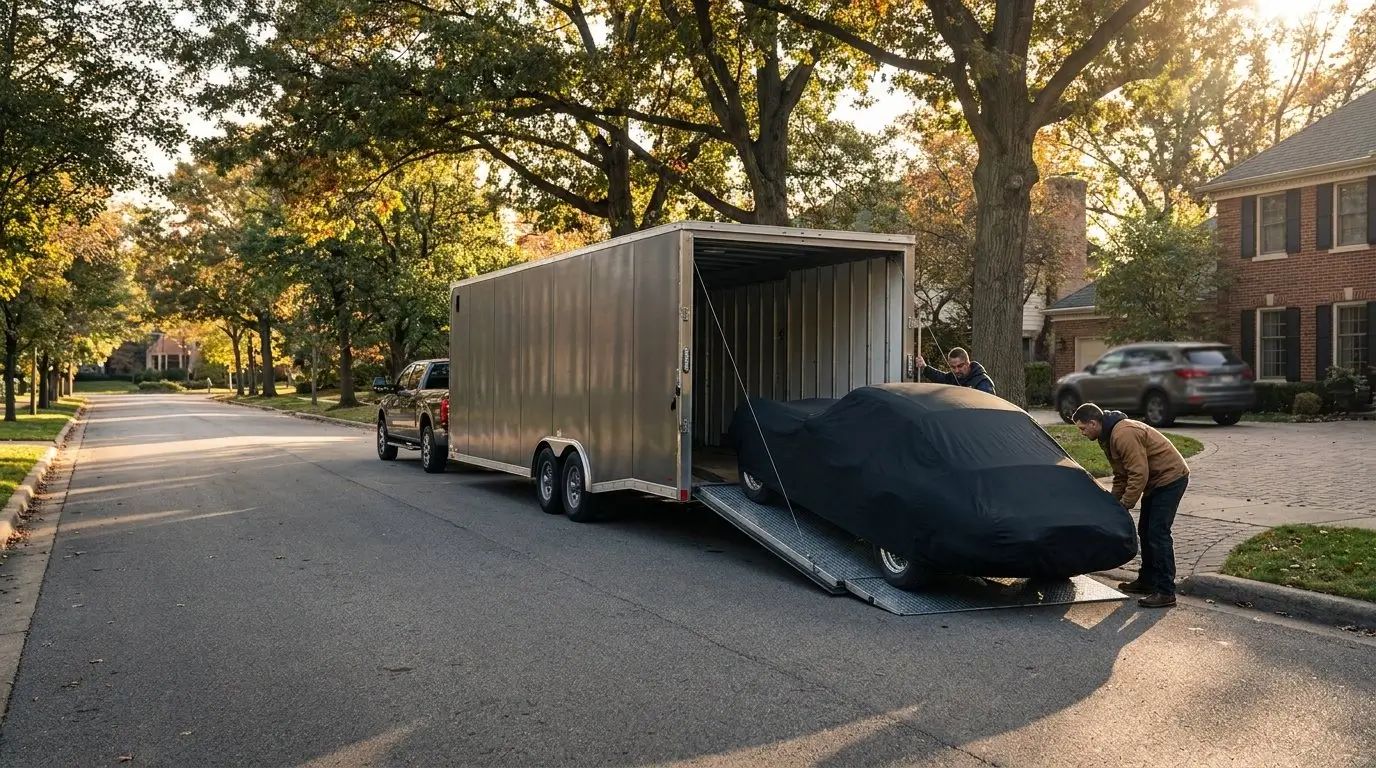
Enclosed transport gives the vehicle more protection from weather, road debris, and public exposure. It is usually the better fit for luxury inventory, exotic or specialty units, press and demo vehicles, and any shipment where condition on arrival matters more than cost.
Open transport is the most common option for dealership inventory. It is usually more affordable and works well for standard units, trade-ins, and most auction purchases. The vehicle rides on an open trailer, the same type of carrier you see moving new cars to dealerships every day.
Transport Option
Best for
Main advantage
Things to know
Open transport
Standard dealership inventory, trade-ins, and most auction purchases
Usually more cost effective and easier to schedule
Vehicle is exposed to normal road and weather conditions
Enclosed transport
Luxury inventory, exotic or specialty units, press and demo vehicles
More protection and privacy
Usually costs more and may require more scheduling flexibility
Expedited transport
Sold units on a deadline, urgent inventory needs, time-sensitive customer deliveries
Faster carrier assignment
Higher cost because of tighter timing
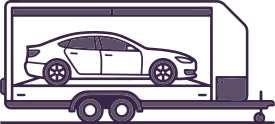


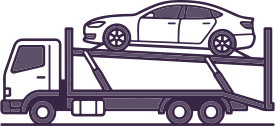


For most dealerships, open transport is the practical option. For manufacturers, specialty units, or premium customer deliveries, enclosed transport may be the better fit.
Dealerships regularly move vehicles between locations. A trade-in taken in at one store often needs to reach a reconditioning center, or a different store, before it goes back on a lot.
The move works best when the paperwork and the vehicle details travel with the vehicle, not after it.
Share these details before the transfer:
• Stock number and VIN
• Current condition and mileage
• Whether the vehicle runs
• Key count
• Release contact at the sending location
A clean handoff on both ends keeps the unit moving instead of sitting.
Dealer groups move inventory between locations to match where demand actually is. A slow-moving unit at one store may sell quickly at another.
Confirm before the vehicle moves:
• Pickup and delivery rooftop
• Number of units in the transfer
• Whether it is a rush move
• Release contact at each location
• Any group-specific paperwork
The goal is fewer vehicles sitting in the wrong place.
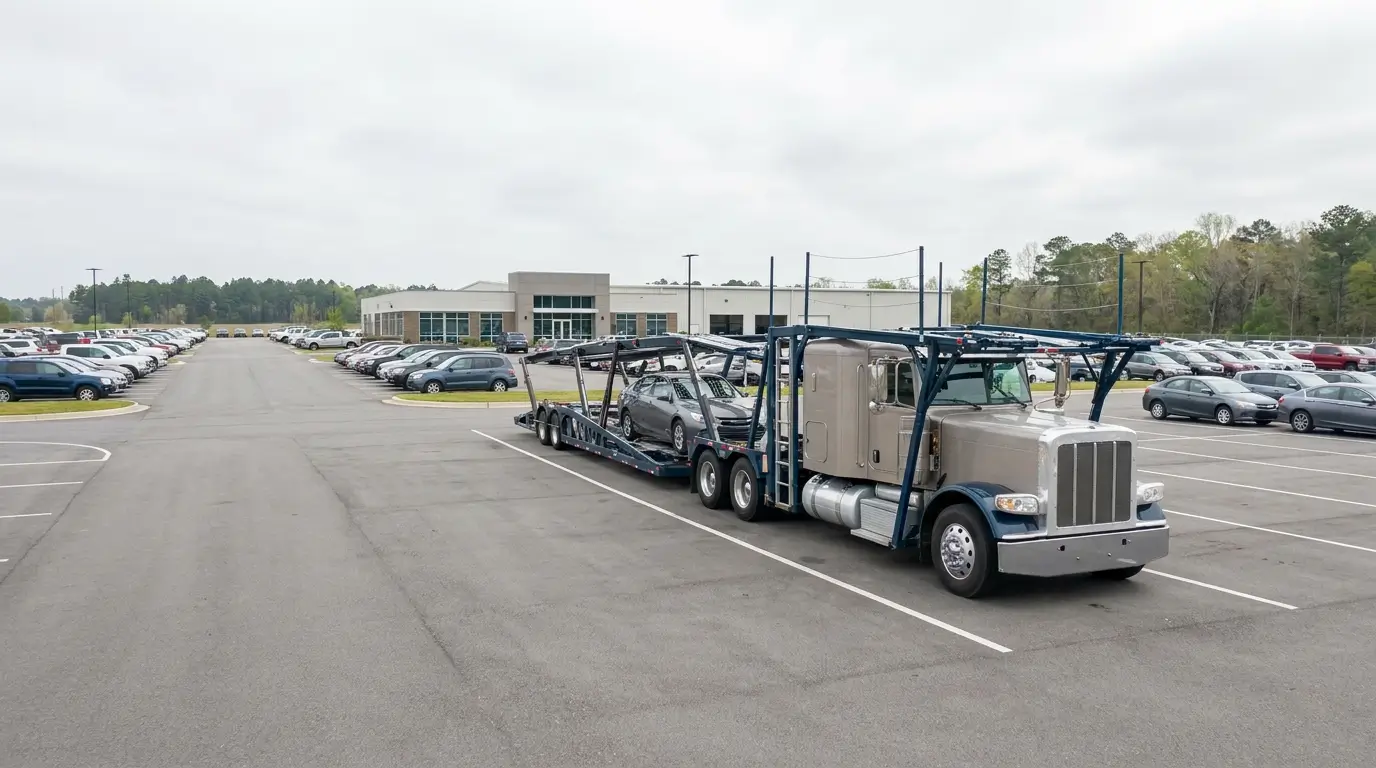
A vehicle purchased at auction has to reach the dealership before it can go on the lot, and a sold unit sometimes has to come from a sister store to reach the buyer.
Both moves work the same way as any other transfer, they just start from a different location.
Have this ready at pickup:
• Auction release paperwork or buyer number
• Delivery deadline, if there is one
• Condition report from the auction
• Confirmation the unit is ready for release
For auction-specific pickups, see our auction transport page.

Vehicle transport goes wrong in predictable ways: a carrier that cannot handle the vehicle, a pickup window nobody confirms, a shipment nobody can update you on. Rivalane provides dealer transport services built around licensed, insured carriers matched to the vehicle and the volume, with one team on the shipment from the first quote through delivery.
Licensed, insured carriers on every shipment
One point of contact across single and multi-unit shipments
One point of contact from quote to delivery


Every Vehicle Type
Licensed & Insured
Nationwide Coverage
These resources cover the parts of vehicle transport that matter most to dealerships and manufacturers: how broker and carrier relationships actually work, how to read a quote, and what affects timing on high-volume or auction-sourced inventory. Routes, carrier availability, and unit count all shape when a shipment moves and what it costs.
See more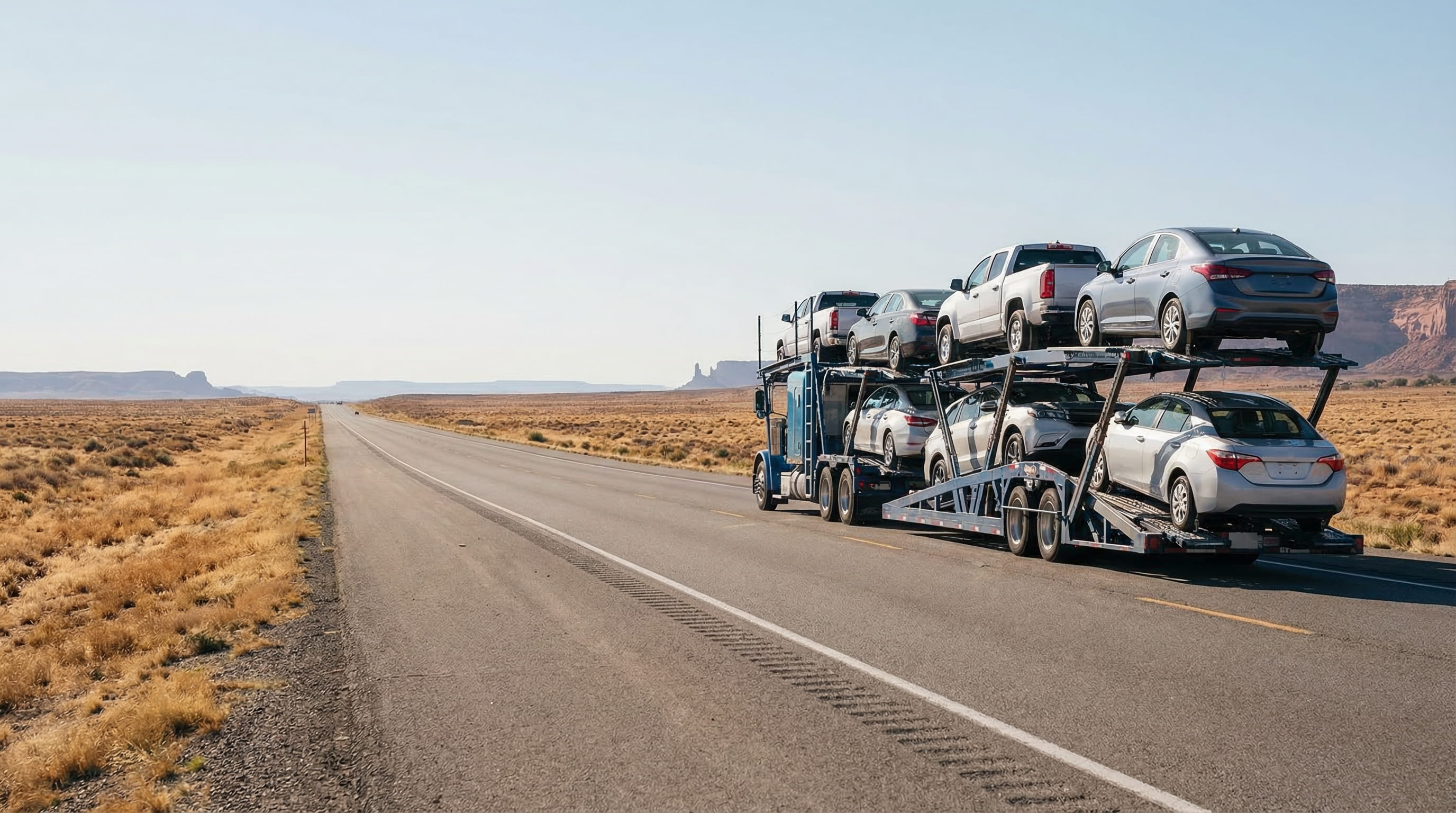




.png)



