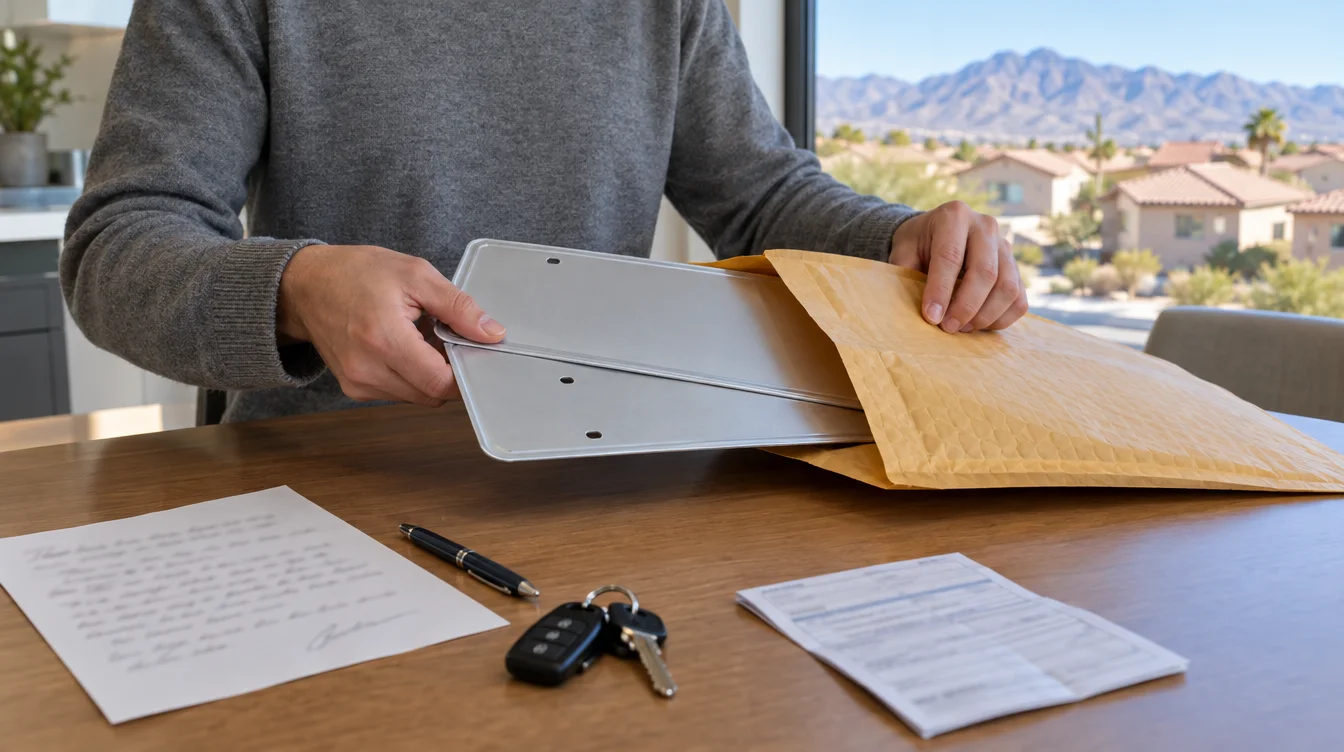
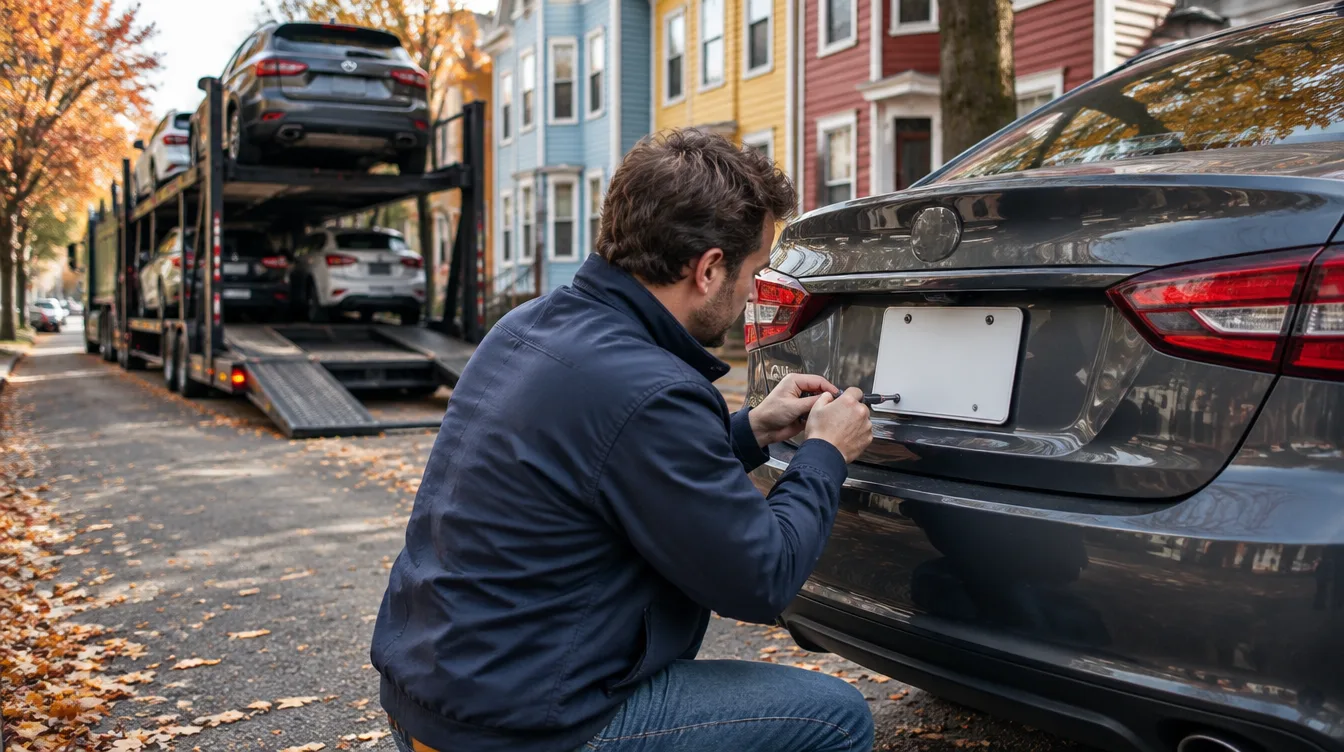
You won the lot. Now it has to get home. Rivalane arranges licensed, insured transport from auction lots across the country to your driveway, your dealership, or your shop, on open or enclosed carriers.





Auction car shipping works differently from a standard vehicle move. In a retail shipment, someone hands over their own car from their own driveway. With an auction vehicle, you are often collecting a car you have never seen in person, from a commercial lot that runs on its own release rules, gate hours, and paperwork.
Two things shape every auction move. Timing comes first, because auction lots release vehicles on their own schedule and storage charges can build while a car sits waiting. Condition comes second, because plenty of auction vehicles do not start, do not roll, or carry damage that decides which carrier and which loading method the move actually needs.
Rivalane keeps it simple. Send the auction and lot location, the delivery address, the vehicle details including whether it runs, and your dates. We match the shipment to a carrier equipped for that vehicle and that route, and move it from the lot to wherever the car is going.
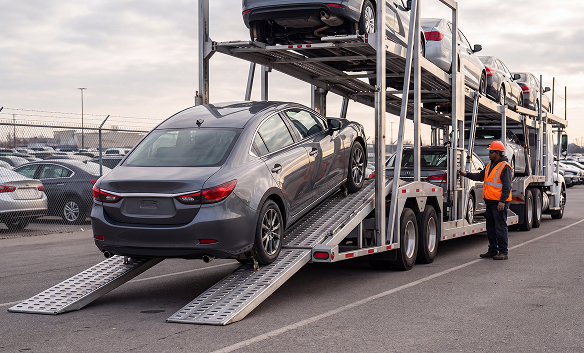
The clock starts the moment you win. Most auctions hold a vehicle for a limited window before storage charges begin, so what matters is not how car shipping works in general, it is what happens between the winning bid and the car reaching you. Four steps cover it.
Start by sharing the auction, the lot number, and the delivery address. Once you request a quote, we match the shipment to a licensed, insured carrier based on the lot location, the vehicle, its condition, and your dates. You choose open or enclosed transport before the carrier is confirmed.
Pickup is where auction moves differ most. The driver records the vehicle's condition at the lot before loading, which matters more here than on a retail move, because you are often seeing the car for the first time in those photos. Anything that turns up later is checked against that record.
Buying more than one lot works the same way, with several vehicles routed together when the lanes line up. At delivery the vehicle is inspected again before sign off, so the condition at drop off can be checked against the condition recorded at the lot.



Most auction vehicles in the United States move through a handful of networks. Copart and IAA handle insurance, salvage, and total loss units. Manheim and ADESA run the dealer wholesale lanes. Around them sit hundreds of independent, municipal, and specialty auctions. Rivalane arranges pickups from lots like these across the country.
Every yard works a little differently, but the pattern holds. An auction releases a vehicle once your payment clears and you have named the transporter collecting it. The lot then sets its own gate hours, asks for a buyer authorization or release form, and runs a free storage window that starts counting from the sale date. Naming your transporter early is usually what keeps a pickup inside that window.
Send us the auction name, the yard or branch location, the lot or stock number, and whether the vehicle runs. That is enough to price the move and match a carrier who covers that yard's area. If you buy from the same network regularly, say so, because repeat lanes are easier to schedule.
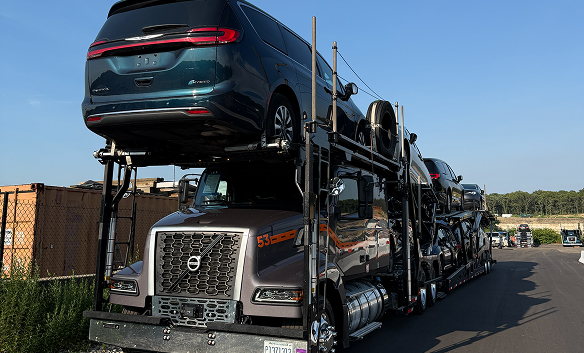
Plenty of auction vehicles do not start, and that is normal. What causes problems is the carrier finding out at the gate instead of at booking.
Non running transport may require a winch, extra loading space, and a carrier comfortable with inoperable units, so the condition drives the carrier match.
Tell us before pickup if the vehicle:
• Does not start
• Does not roll freely
• Has no working brakes
• Has a dead or missing battery
• Has locked or seized wheels
• Has flat or missing tires
• Has no keys at the lot
• Sits on a bent or damaged frame
• Has loose or missing body panels
• Needs a winch or forklift to load
The more accurate the description, the fewer surprises at the lot.
Auction lots often carry collision, flood, or theft recovery damage. The carrier needs to know what it is collecting before it arrives, not after.
Useful details to share:
• Where the damage sits
• Whether it rolls and steers
• Whether the doors and hood close
• Whether airbags have deployed
• Whether glass is broken or missing
• Whether there are fluid leaks
• Whether panels are loose or sharp
• Whether parts are stacked inside
• Whether it sits on a pallet or skid
The photos on the lot listing usually answer most of this.
Run and drive lots are the simplest auction moves, and a few details up front still keep them simple.
A vehicle that starts and moves under its own power loads faster, which usually makes scheduling around the lot's gate hours easier.
Worth confirming:
• That the keys will be at the lot
• That fuel is low but not empty
• That personal items have been removed
• That the release paperwork is ready
For a full walkthrough of the process, see our Copart and IAA shipping guide.
Auction buyers are not one group. A rebuilder collecting a salvage lot and a collector who just won at a live sale need different carriers, different trailers, and different timing. Tell us which one you are and we will match the move to it.
Dealers and Dealer Groups
See dealer transport →Rebuilders and Body Shops
See door to door transport →Exporters
See international shipping →Private Buyers
See open transport →Collectors and Classic Buyers
See enclosed transport →High Value and Exotic Lots
See white glove service →Motorcycles and Powersports
See motorcycle transport →Rental and Fleet Remarketers
See fleet and rental transport →Not sure which one fits? Tell us the auction, the lot, and where it is going, and we will work it out from there.
Get a quote for your lot →The cost of shipping a car from an auction depends on the route, the condition of the vehicle, the yard it is leaving, the transport type, and how much flexibility you have on timing.
Main price factors include:
Distance and route
Whether the vehicle runs
Open or enclosed transport
Auction yard location and access
Season and carrier availability
Pickup window flexibility
Damage that affects loading
Vehicle size and weight
A run and drive lot on a common metro to metro lane is usually easier to price than a non running unit sitting at a remote yard with a tight release window. Send the lot details and we will quote it against your exact route.

Auction transport goes wrong in predictable ways: a carrier that cannot handle a non running lot, a pickup window nobody confirms before storage fees start, a shipment nobody can update you on. Rivalane matches your auction win with a licensed, insured carrier suited to the vehicle and the yard, with one team on it from the first quote through delivery.
Licensed, insured carriers on every shipment
Carriers matched to run and drive, damaged, and non running lots
One point of contact from quote to delivery


Every Auction House
Licensed & Insured
Nationwide Coverage
These resources cover the parts of auction transport that matter most: how the release process actually works, what changes when a vehicle does not run, and how to choose between open and enclosed for the lot you won. Yard rules, timing, and vehicle condition all shape when a shipment moves and how it should be handled.
See more