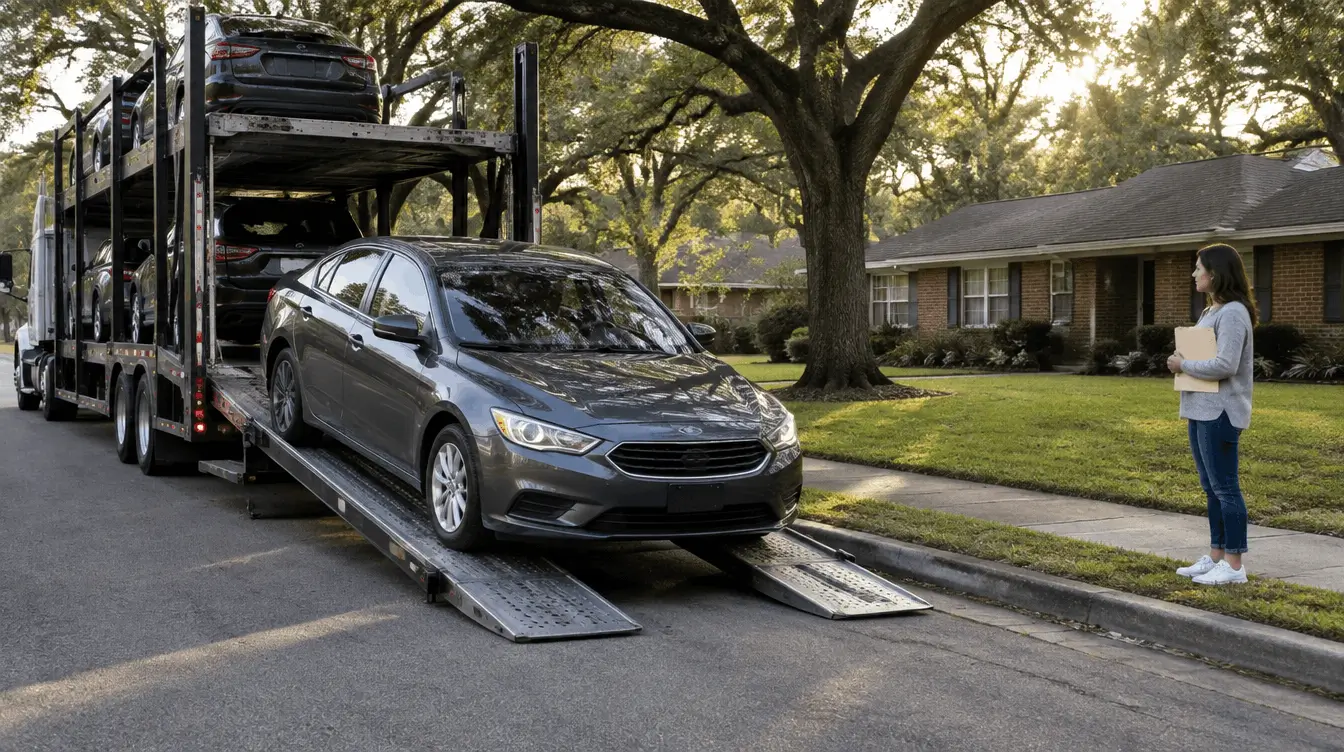
Rivalane arranges vehicle transport across the country, state to state. Tell us where the vehicle is now and where it needs to be, and we match it with a licensed, insured carrier and the transport method that fits the vehicle, the route, and your timing.


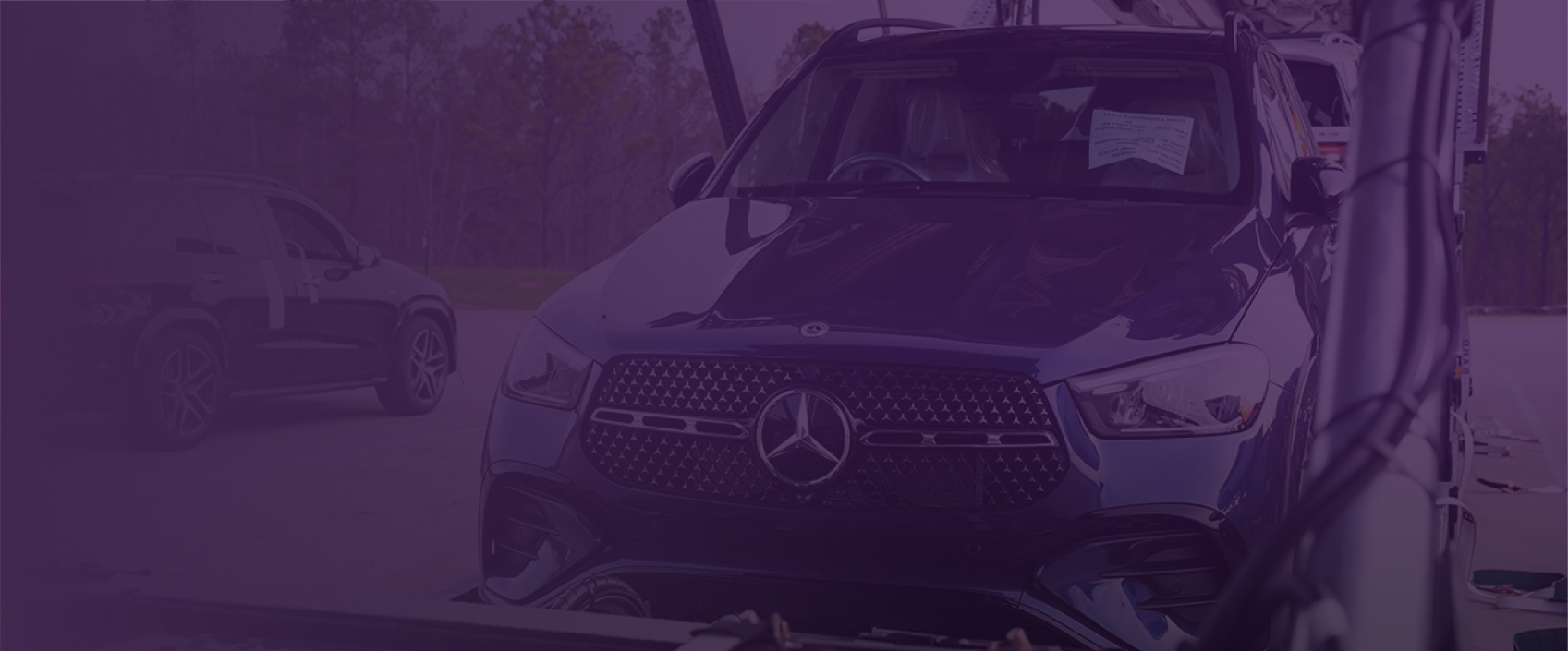


Vehicle transport means moving a car, truck, motorcycle, or boat by carrier instead of driving it yourself. You hand the vehicle over at one address and collect it at another, without adding miles, wear, or days on the road.
The right setup changes with what you are moving and why. A sedan heading three states over, a classic car going to a show, a motorcycle bought at auction, and a dealership moving inventory between lots each need a different carrier, a different trailer, and a different plan. Rivalane coordinates all of them on one nationwide carrier network.
This page is the starting point. Below you will find how a state to state move works step by step, the transport methods to choose from, the services built around specific vehicles, and the pages for the people we move vehicles for most. Pick the one that matches your shipment, or request a quote and we will point you to it.
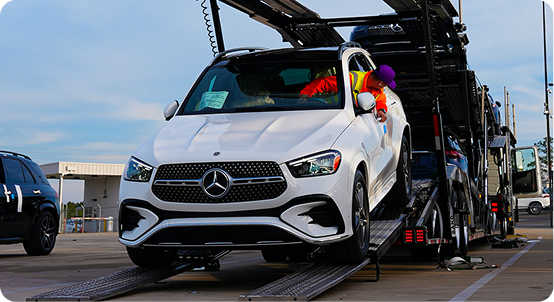
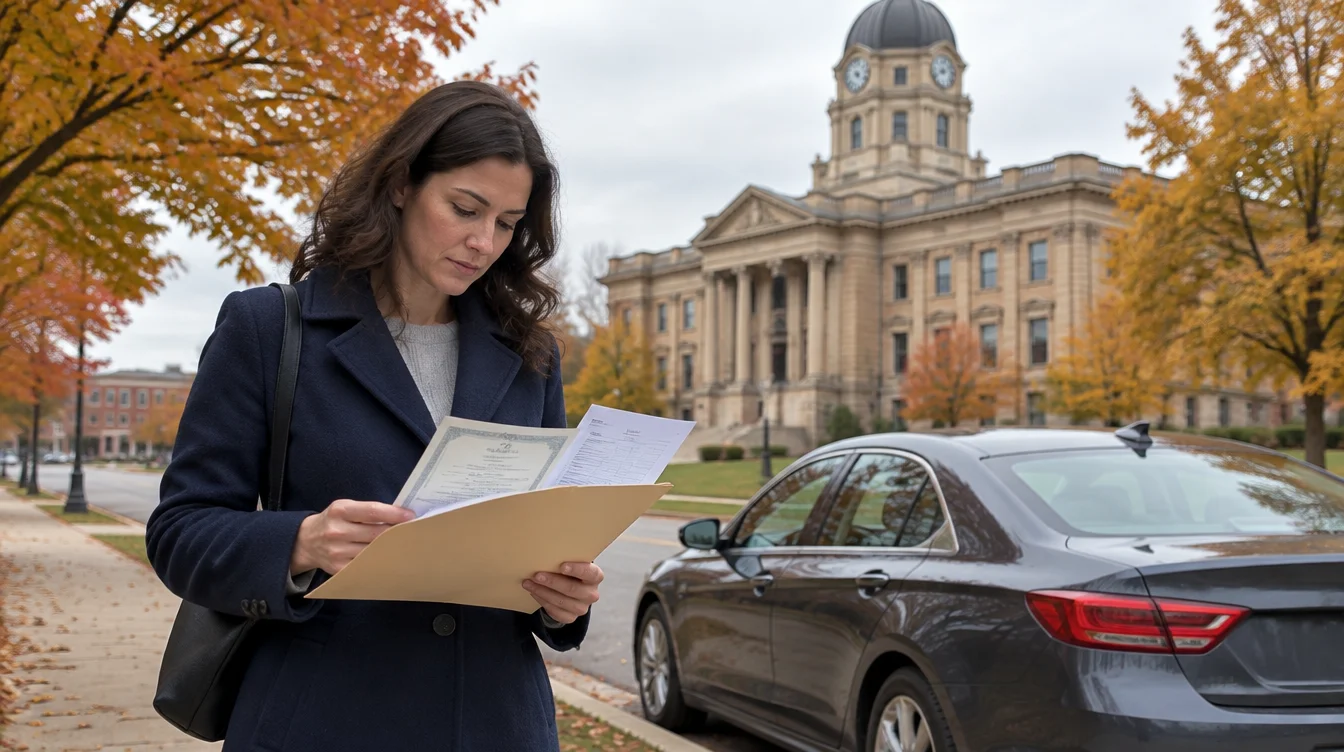
To transport a vehicle to another state, request a quote with your pickup and delivery locations and the vehicle details, book a licensed carrier, hand the vehicle over at pickup after a condition inspection, and collect it at the delivery address after a second inspection. Most people ship rather than drive, because it saves the miles, the fuel, and the days on the road.
Once you request a quote, we match your vehicle to a licensed, insured carrier based on your pickup and delivery locations, the vehicle, and your timeline. You choose open or enclosed transport before we confirm the carrier.
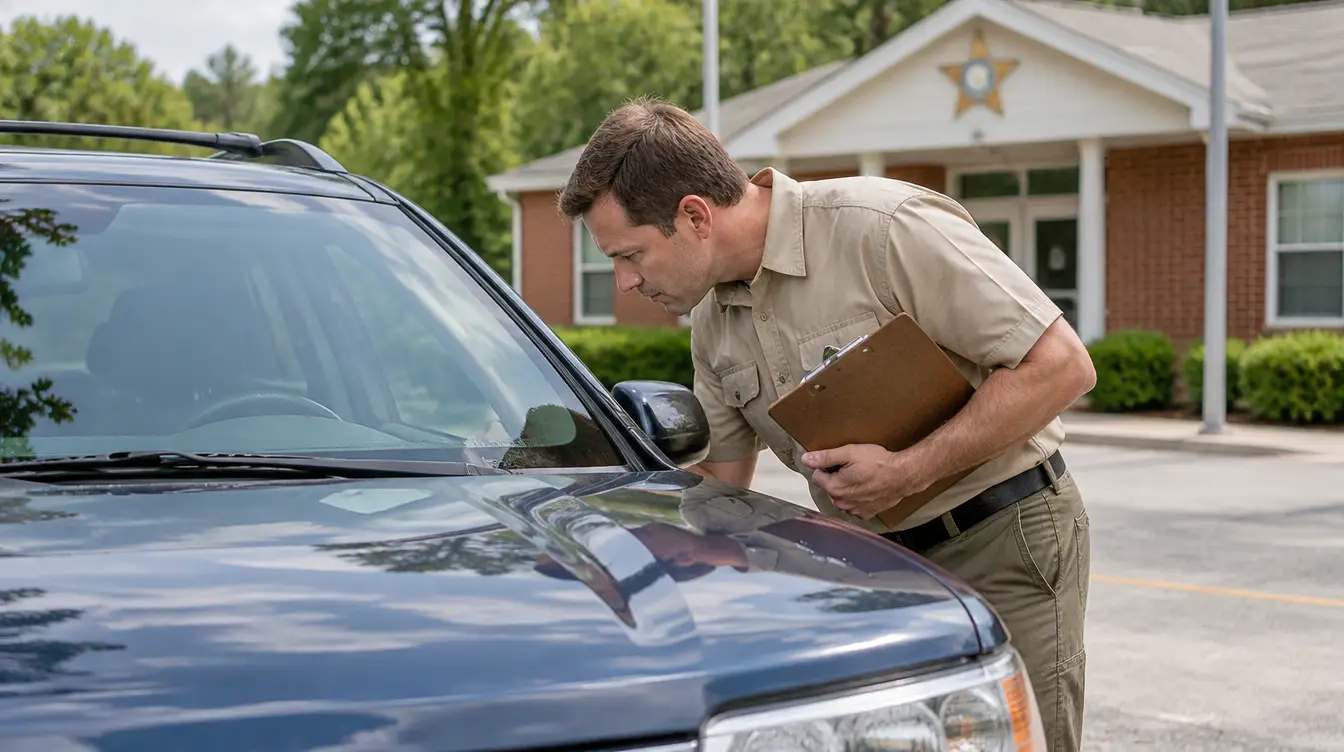
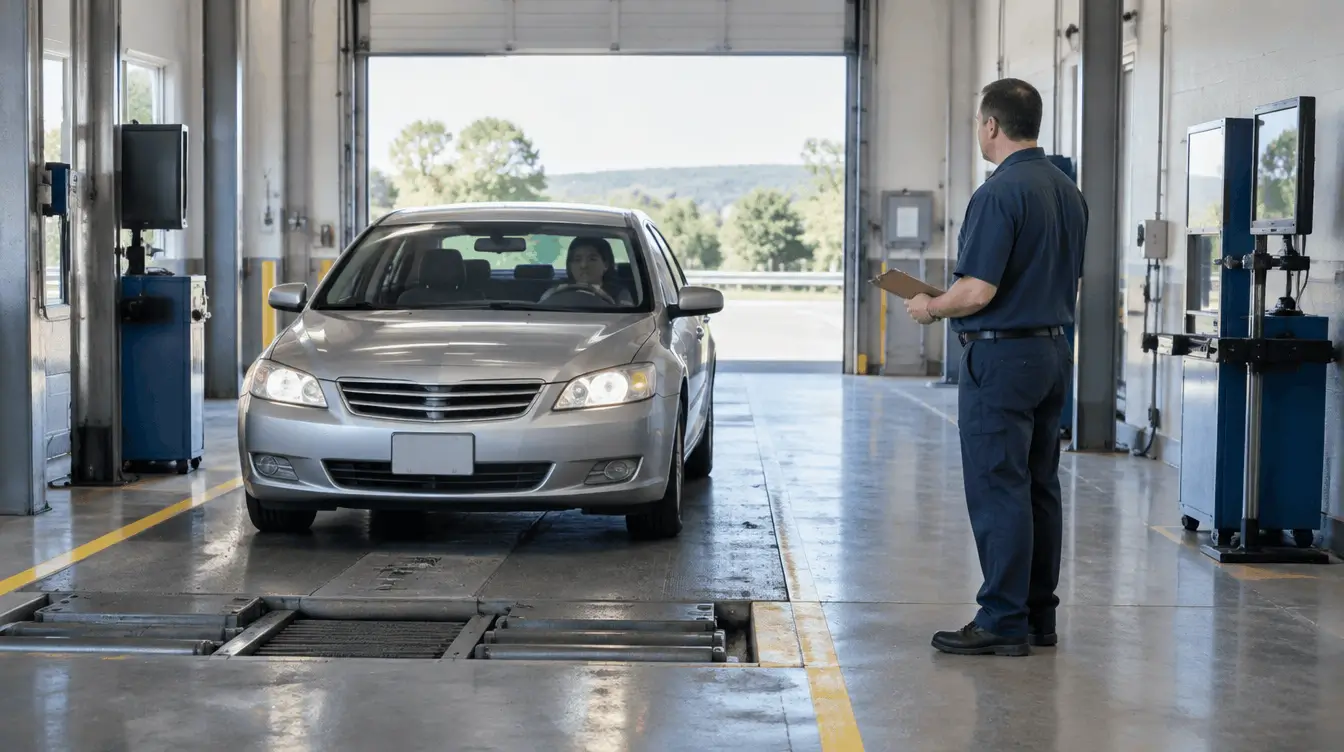
At pickup, the driver inspects the vehicle and records its condition, and taking your own dated photos first is worth the two minutes. The vehicle then travels to the delivery address in the destination state, where it is inspected again before you sign off.
Crossing the country works the same way as crossing one state line, with a longer route and more scheduling around carrier availability. We keep you updated from carrier assignment through delivery, so you always know where the vehicle is.




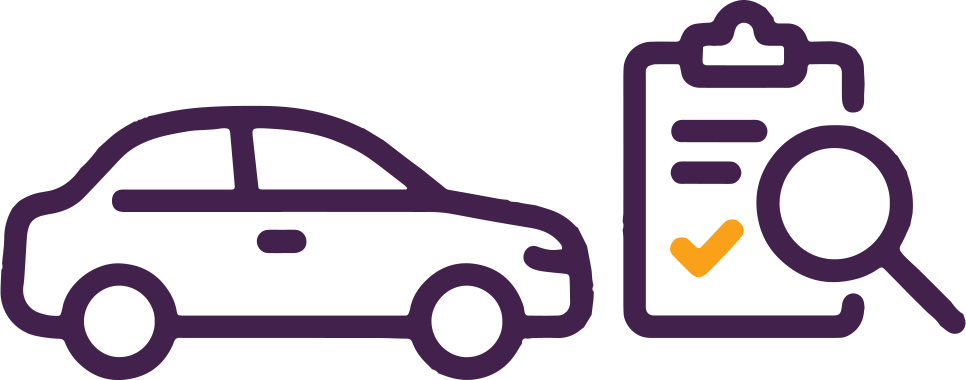

Open transport moves your vehicle on an open trailer alongside other vehicles. It is the standard choice for everyday cars, trucks, and SUVs, and it has the widest carrier availability, which usually makes it the easiest to schedule. Learn more about open auto transport.
Enclosed transport carries your vehicle inside a covered trailer, away from weather and road debris. It suits classic, exotic, luxury, and low clearance vehicles, where the condition it arrives in matters more than anything else. Learn more about enclosed car transport.
Door to door means the carrier collects the vehicle at your address and delivers it to the destination address, so you skip the trip to a terminal at both ends. It works with open and enclosed transport alike. Learn more about door to door transport.
White glove service adds dedicated coordination on top of the transport itself, with one point of contact and closer handling from booking through delivery. Learn more about white glove service.
Not every shipment is a car on a trailer. Some vehicles need different equipment, different securement, or a different route entirely, and some need somewhere to sit before or after the move.
Motorcycles ride differently than cars. A bike is lighter, sits higher, and stays exposed, so it needs a carrier who moves bikes regularly rather than one treating it as a small car. Boats and yachts bring their own constraints, because width, height, and access at both ends shape the route before anything else does.
Sending a vehicle out of the country adds paperwork, port scheduling, and a handoff between road and sea. That process runs differently from a domestic move, so it has a page of its own.
Storage covers the gap when the dates do not line up. If the vehicle has to leave before you can receive it, or arrives before you are ready for it, it can wait rather than forcing the rest of the schedule around it.


People ship vehicles for all sorts of reasons, and the reason usually shapes the plan. Orders with a report date, a seasonal move south, and a collector car heading to a show each carry different timing and different handling. Pick the one that sounds like your situation.
Businesses move vehicles on schedules other people set, between lots, auctions, branches, and customers. The volume and the paperwork matter as much as the route. Tell us how your operation runs and we will plan the transport around it.
There is no flat rate for vehicle transport. The price of any shipment comes from the route and the distance, the size and condition of the vehicle, whether you choose open or enclosed, how reachable both ends are, the season, and how much flexibility you have on dates.
Main price factors include:
• Distance and route
• Vehicle size and weight
• Open or enclosed transport
• Pickup and delivery ZIP codes
• Season and carrier availability
• Pickup window flexibility
• Running or non-running vehicle
• Access at pickup and delivery
• Urgent or short-notice booking
A long distance move with flexible dates is usually easier to price than a last minute shipment with a narrow pickup window. The most accurate number comes from a quote built on your exact route and vehicle, so run yours through the cost calculator.
Rivalane arranges vehicle transport between states on one nationwide carrier network. These are some of the busiest lanes we route, and the same network covers moves well beyond them.
New York
See New York shipping details →Illinois
See Illinois shipping details →California
See California shipping details →Washington
See Washington shipping details →Pennsylvania
See Pennsylvania shipping details →Not seeing your state? Tell us the pickup and delivery locations and we will check the route.
Get a quote to check your route →
Before You Ship
A little preparation keeps your pickup on schedule and the inspection quick.
Most of these take only a few minutes, and having them ready lets the driver focus on loading and securing your vehicle instead of sorting out basics on the spot.

Vehicle Details
Have the year, make, model, and condition ready, including whether the vehicle runs and any modifications, lowered suspension, or oversized tires. These decide the carrier and the equipment.

Photos and Condition
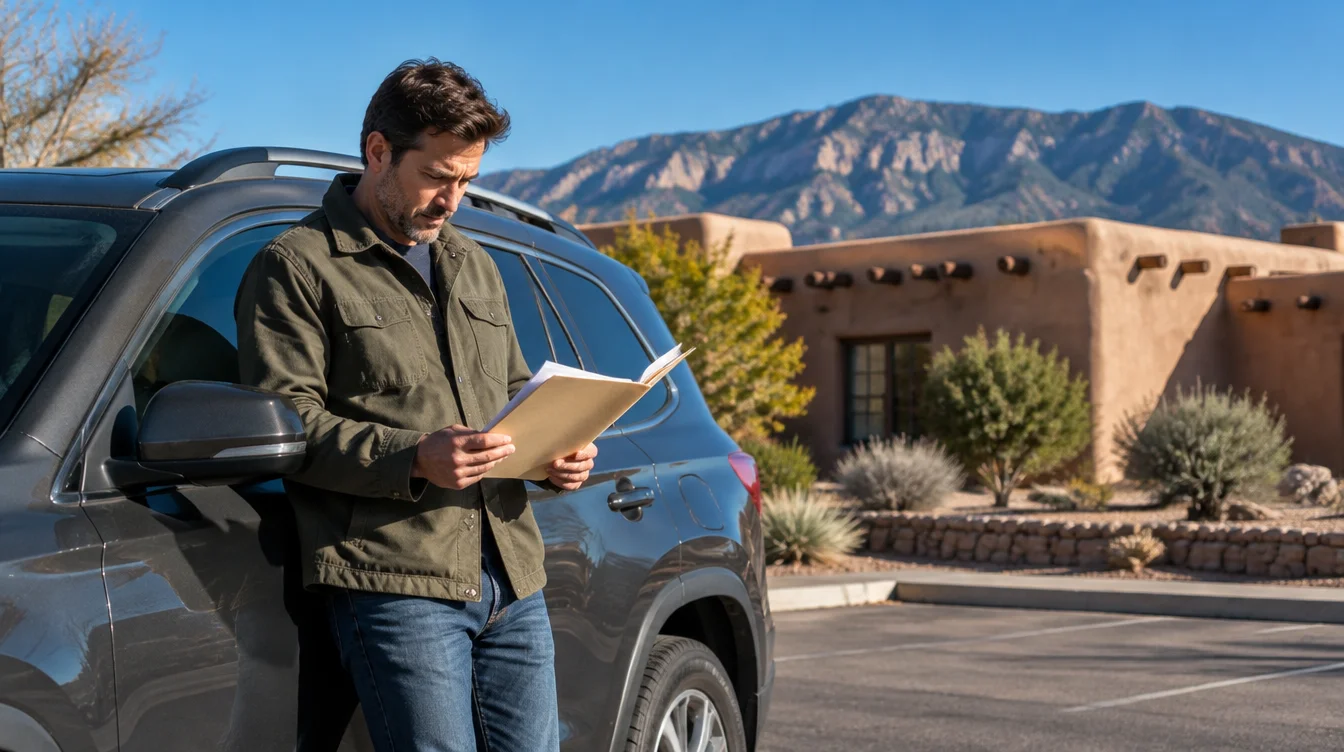
Take dated photos from every angle before pickup. The driver records the vehicle's condition at both ends, and your own set gives you an independent record.

Empty the Vehicle
Remove personal items, loose accessories, and anything in the trunk. Carriers are insured for the vehicle, not for its contents.

Keys and Access
Bring a set of keys and note anything the driver should know, such as low clearance, an alarm, a tight driveway, or a gate code at either end.
Vehicle transport goes wrong in predictable ways: a carrier that cannot handle the vehicle, a pickup window nobody confirms, a shipment nobody can update you on. Rivalane works only with licensed, insured carriers, matches the vehicle to a carrier suited to it, and keeps one team on the shipment from the first quote through delivery.
Licensed, insured carriers on every shipment
Carriers matched to the vehicle and the route
One point of contact from quote to delivery

Every Vehicle Type
Licensed & Insured
Nationwide Coverage
These articles explain how vehicle transport actually works: what to expect at each stage, how to read a quote, how to tell a reliable company from a bad one, and the mistakes that cost people time. Shipping is not just picking a date and waiting. Routes, carrier availability, and timing all shape when your vehicle moves and what it costs.
See more