Ship your car or motorcycle with confidence. Rivalane’s auto and moto enthusiast services offer secure, insured, and fully personalized transport handled by professionals who share your passion for vehicles.





Shipping an enthusiast vehicle is different from shipping a basic daily driver. A normal commuter car usually needs simple point A to point B transport.
An enthusiast vehicle often needs more planning. Maybe it has low ground clearance. Maybe it does not run. Maybe it has custom paint, rare parts, aftermarket suspension, oversized wheels, a widebody kit, loose parts, or a motorcycle that needs the right tie-down method.
That is why the first step is not just getting the cheapest quote. It is making sure the transport company understands what kind of vehicle you have, what condition it is in, and what level of protection makes sense.

Shipping an enthusiast vehicle follows a clear process from your first quote to final delivery, with each step planned around your exact vehicle and how it needs to be handled.
Once you request a quote, we match your vehicle to a licensed, insured carrier based on your pickup and delivery locations, the vehicle, and your timeline. You choose open or enclosed transport before we confirm the carrier.
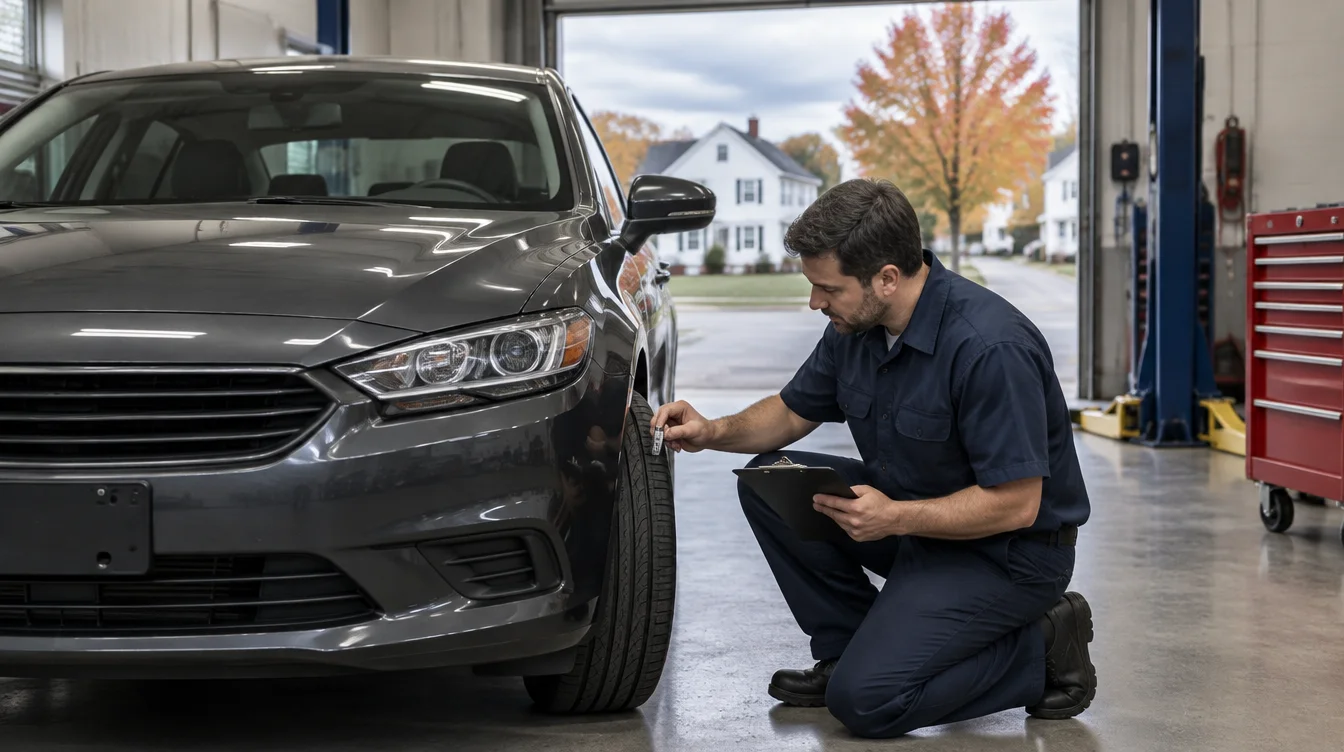
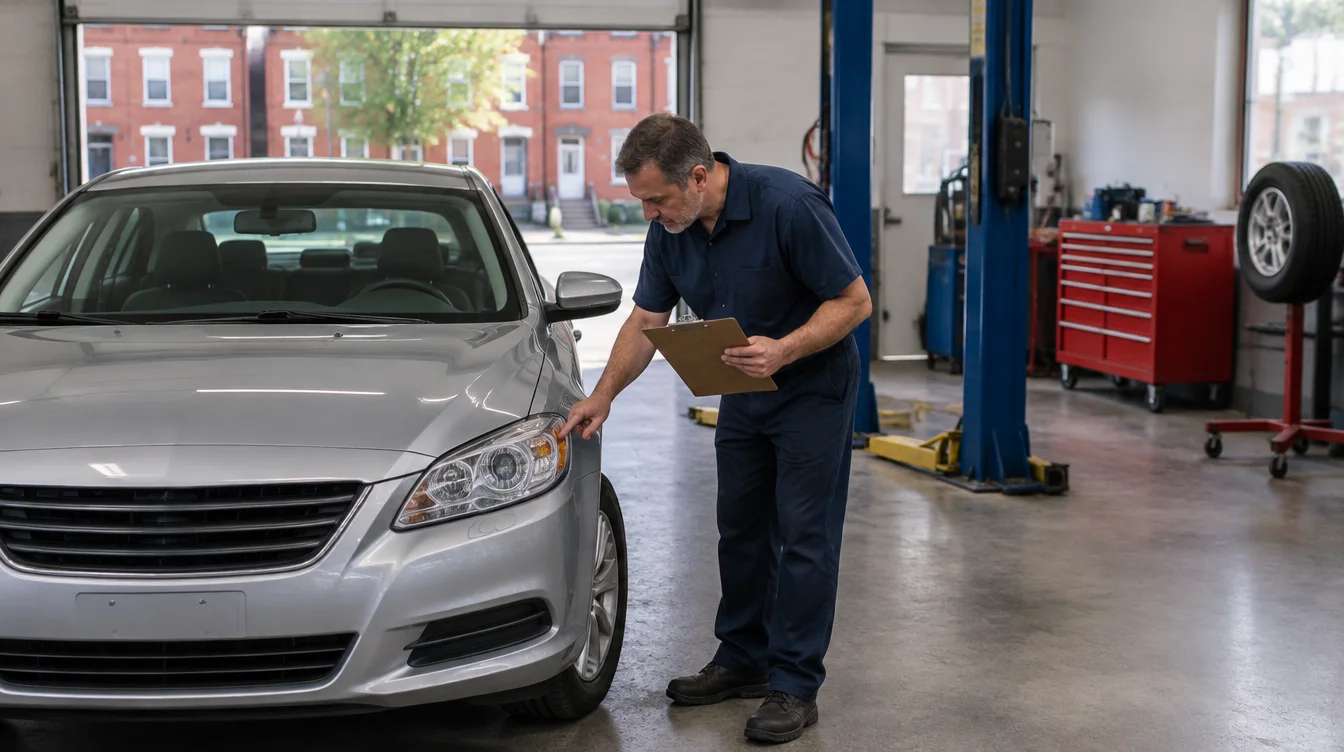
At pickup, the driver inspects the vehicle and records its condition, and we recommend taking your own photos first. The vehicle then travels to its destination, where it is inspected again before you sign off.
Clear communication matters when the vehicle is rare, modified, or hard to replace. We keep you updated from carrier assignment through delivery, so you always know where your vehicle is.





Rivalane can help coordinate transport for many types of enthusiast vehicles, including:
The exact shipping method depends on the vehicle's condition, clearance, value, pickup location, and delivery timeline.
Choosing between open and enclosed transport is one of the most important decisions for an enthusiast vehicle.
Enclosed transport gives the vehicle more protection from weather, road debris, and public exposure. It is usually recommended for classics, collector cars, restored vehicles, exotic cars, rare motorcycles, high-value builds, and cars with paint or parts you do not want exposed during transit.
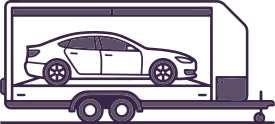
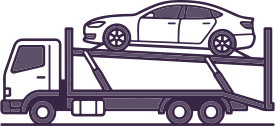
Open transport is the most common option. It is usually more affordable and works well for many daily drivers, standard vehicles, and some project cars. The vehicle rides on an open trailer, similar to the carriers you see moving new cars to dealerships.




Transport Option
Best for
Main advantage
Things to know
Open transport
Daily drivers, project cars, standard vehicles, some auction cars
Usually more affordable and easier to schedule
Vehicle is exposed to normal road and weather conditions
Enclosed transport
Classics, collector cars, exotics, restored cars, motorcycles, low-clearance builds
More protection and privacy
Usually costs more and may require more scheduling flexibility
Expedited transport
Time-sensitive moves, event vehicles, auction pickups with deadlines
Faster carrier assignment
Higher cost because of tighter timing
Non-running transport
Project cars, barn finds, auction vehicles, unfinished builds
Allows movement of vehicles that do not drive
Requires winch-capable equipment and accurate condition details
For many enthusiasts, enclosed transport is worth considering because the vehicle's condition, rarity, or sentimental value matters more than saving the lowest possible amount.
Project cars are common in the enthusiast world, but they need honest condition details.
Non-running vehicle transport may require a winch, extra loading space, and a carrier comfortable with inoperable vehicles.
Tell the transport team if the car:
• Does not start
• Has no brakes
• Has dead battery issues
• Has locked wheels
• Has flat tires
• Has missing keys
• Has very low ground clearance
• Has loose body panels
• Has extra parts inside
• Needs special loading equipment
The more accurate you are, the smoother pickup usually goes.
Modified and low-clearance builds ride differently, so the carrier needs the exact setup before pickup.
Useful details to share:
• Ground clearance
• Front bumper clearance
• Splitter or lip size
• Air suspension details
• Wheel and tire setup
• Whether the car can be raised
• Whether it has a manual transmission
• Whether it has a tow hook
• Any fragile exterior parts
For low-clearance cars, the cheapest transport option is not always the safest one.
Motorcycles need proper tie-down points, secure loading, and stable positioning, so the setup matters as much as the route.
Vintage, custom, sport, and show bikes may call for enclosed transport depending on their value and condition.
Before pickup, cover the essentials:
• Clean the bike and photograph it from every angle
• Remove loose accessories and check for leaks
• Keep fuel low and provide working keys
• Note any custom or fragile parts
For the full step-by-step guide, see our motorcycle shipping page
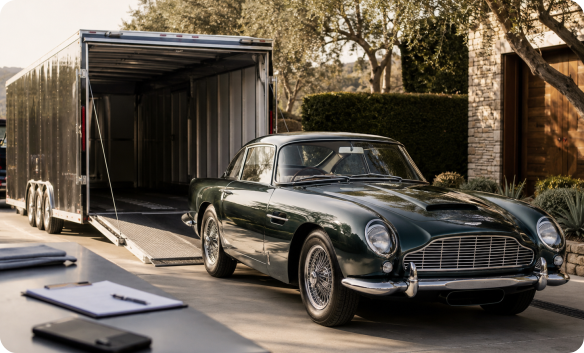
Classic and collector vehicles need more attention than standard cars. They may have older braking systems, carbureted engines, weak batteries, fragile trim, custom paint, or parts that are no longer easy to replace.
Before booking transport, make sure the company knows the vehicle's real condition and exactly how it needs to be loaded, so nothing about its age or setup becomes a problem on pickup day.
For unfinished projects or barn finds, the bigger question is whether the vehicle can roll, steer, and brake well enough to load safely.
For restored classics and collector cars, the safer and better protected choice is usually enclosed transport

Before You Ship
A little preparation keeps pickup on schedule and protects you if any question ever comes up about the vehicle's condition.
Most of these take only a few minutes, and having them ready lets the driver focus on loading and securing your vehicle instead of sorting out basics on the spot.

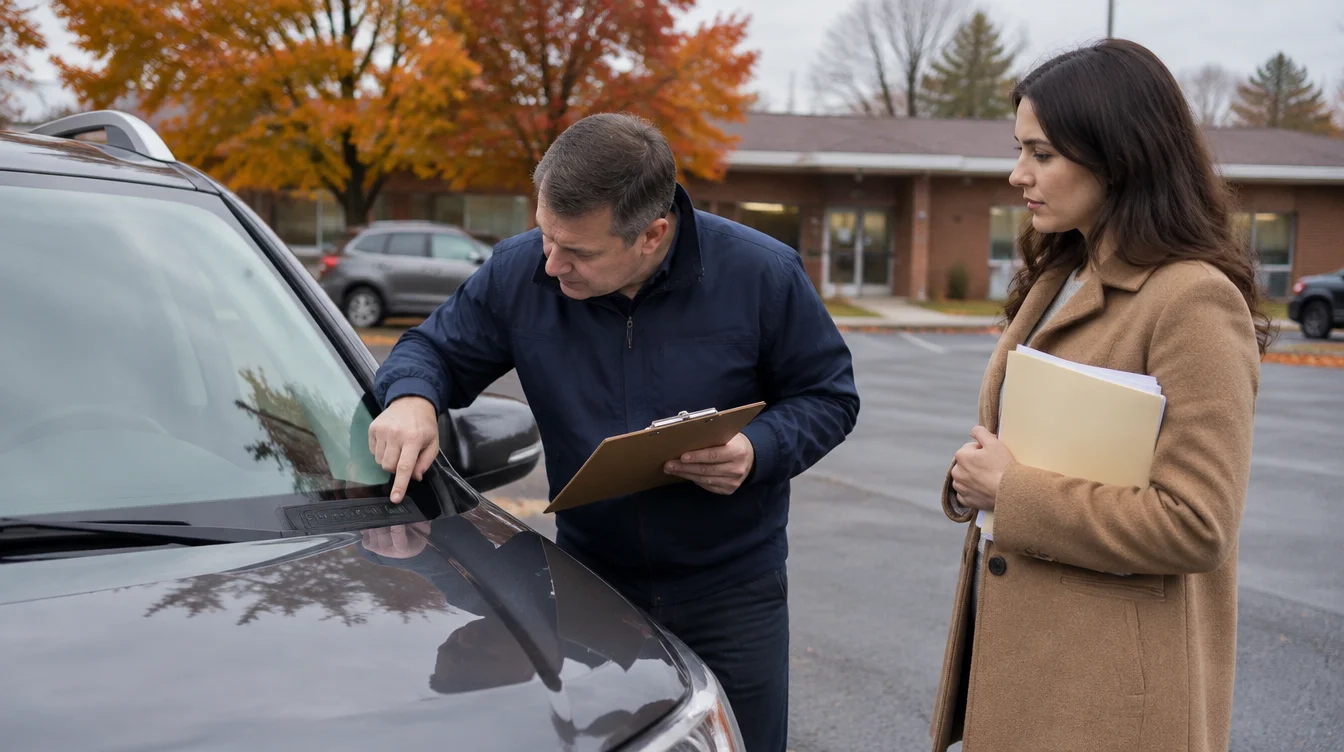
Title and Registration
Have current registration on hand, plus lender authorization if the vehicle carries a loan or lien, so release and delivery go smoothly.

Valid ID
Bring a government or state issued ID for whoever releases the vehicle at pickup and receives it at delivery.

Condition Record and Photos
Photograph the vehicle from every angle before pickup and note any existing marks. A clear record protects both you and the carrier at inspection.

Declared Value
Share the vehicle's value and anything that affects it, so the right coverage is confirmed before transport. Note any keys and accessories so they are recorded at inspection.
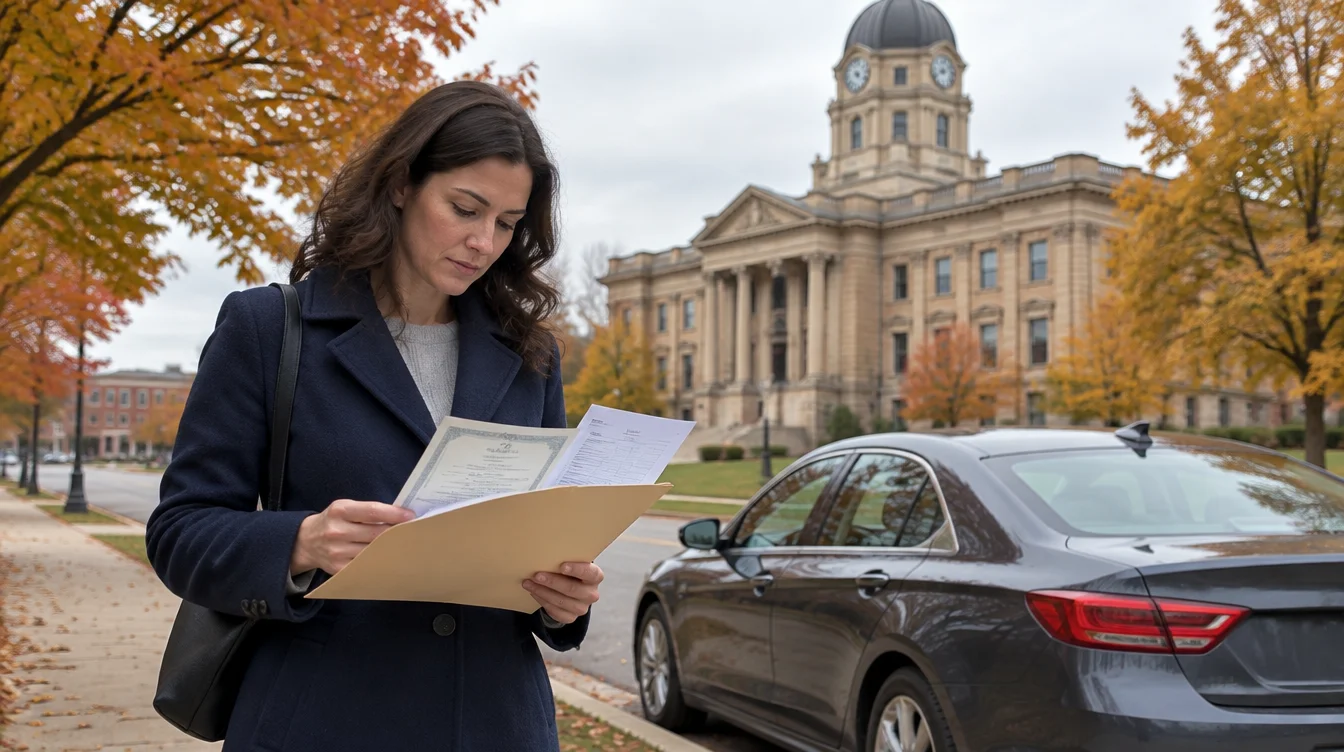
An enthusiast vehicle is not interchangeable, so shipping one is about protection as much as price. Rivalane works only with licensed, insured carriers, matches your car or bike to a carrier equipped for it, and confirms the right coverage before your vehicle is loaded. From your first quote to delivery, one team stays with the shipment and keeps you updated.
✓
Licensed, insured carriers with coverage confirmed before loading
✓
Carriers equipped for low-clearance, classic, and high-value vehicles
✓
One point of contact from quote to delivery


Careful Handling
Licensed & Insured
Nationwide Delivery
In these articles you will find simple and real explanations of how car shipping works: What to expect, and how to avoid common mistakes. We also cover how to spot scams, understand the quotes and choose a reliable company for a smooth transport. Shipping a car in the U.S. is not just booking a date and waiting.. It depends on the routes, carrier availability and timing, which is why prices and delivery windows can vary.
See more