What is Car Shipping?
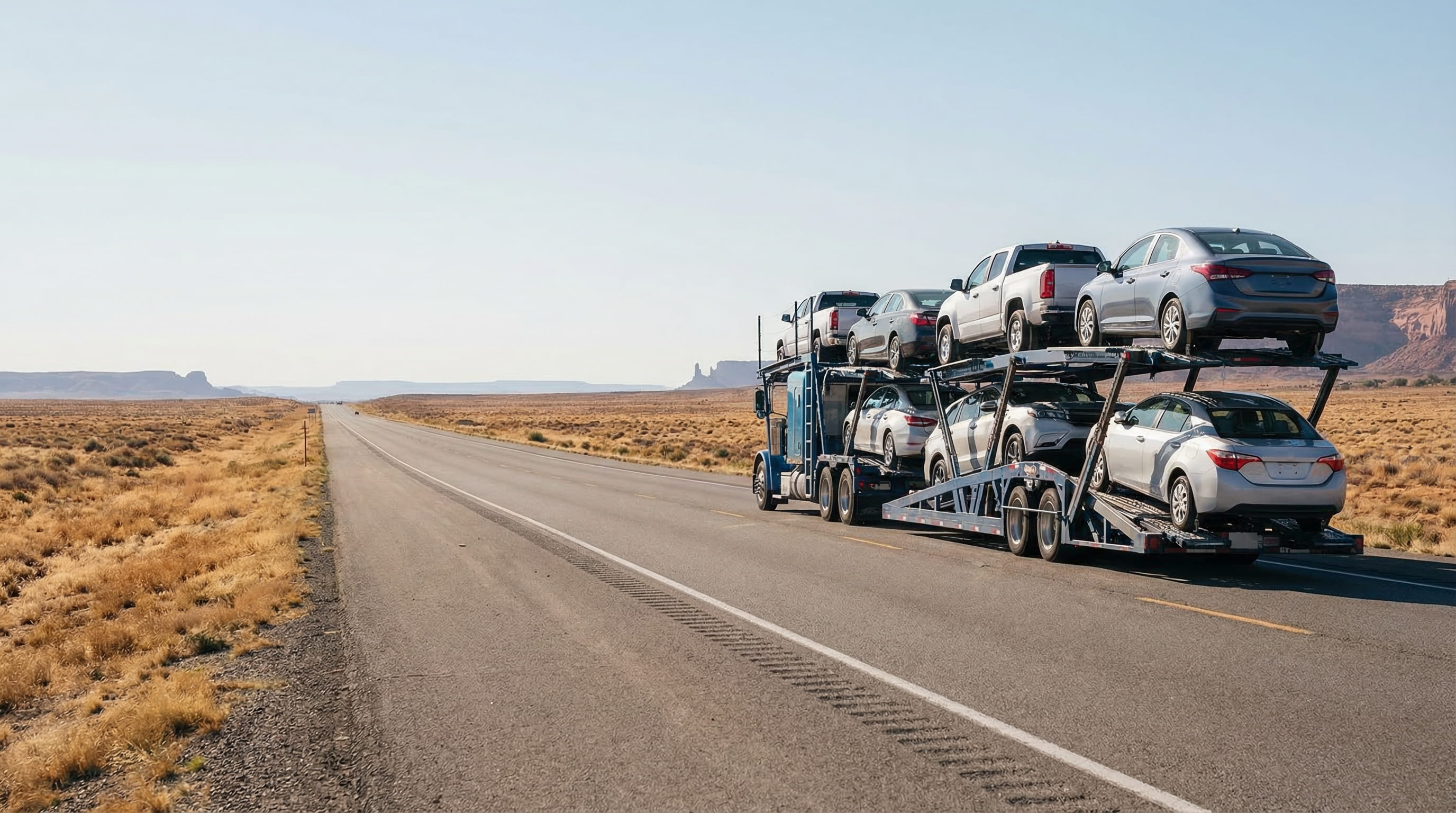
Car shipping is a service that moves your car using licensed transport trucks and a network of scheduled carriers. It’s the go-to option when driving the car yourself adds wear, fuel costs, weather exposure, and long hours on unfamiliar highways.
So first, a solid broker plans pickup access before assigning a truck. Then, the carrier is matched based on real space and real route activity. The car is inspected, logged, and loaded with the right equipment without improvising or guessing.
Rivalane treats every shipment with oversight that stays personal, direct, and documented. Ultimate car transport is a phrase often used for high-value shipments, and here it means your car is matched to the right truck with clear coverage confirmed before dispatch.
How to Choose a Transport Service
When shipping your car, you’ll need to decide between two primary transport methods:
- Open Carriers: These are affordable and ideal for standard vehicles. However, cars are exposed to weather and road debris.
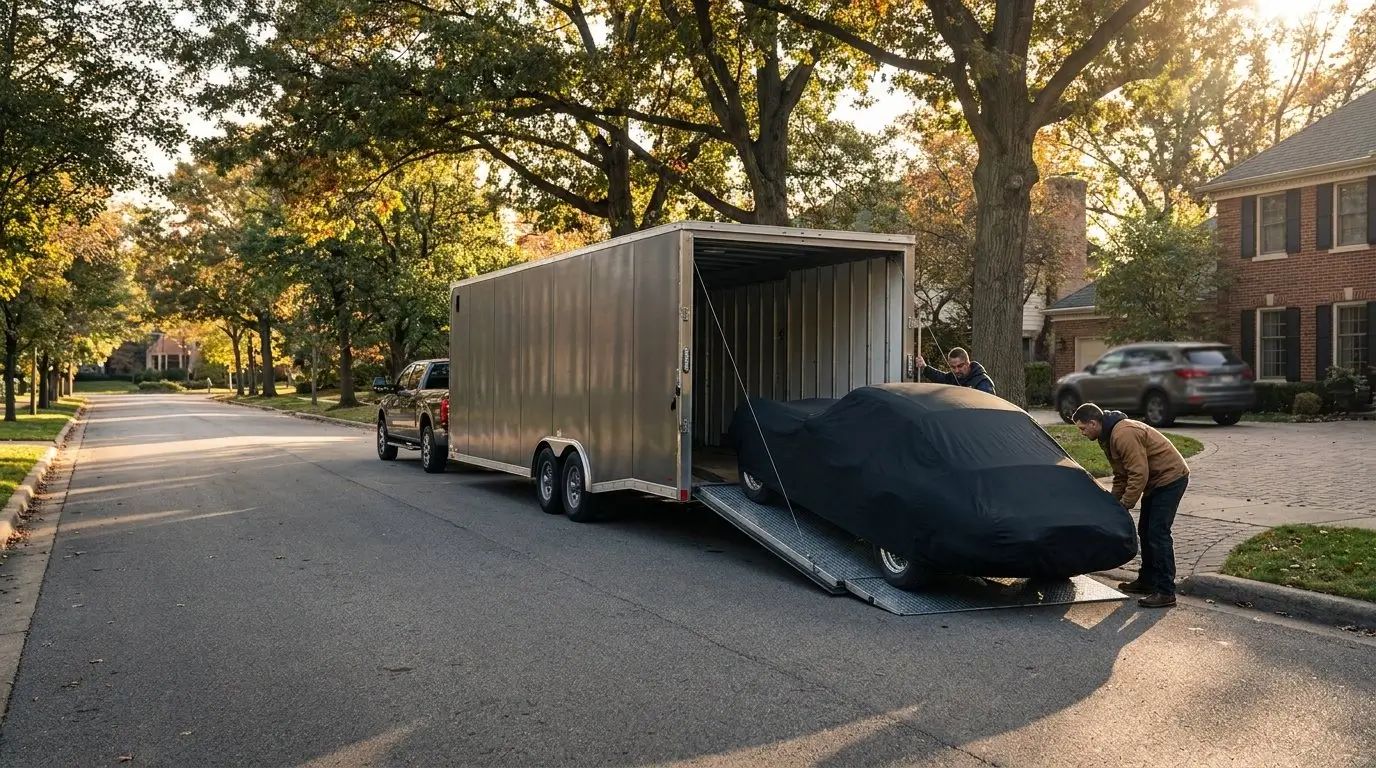
- Enclosed Car Shipping: This method provides maximum protection and is best for high-value, luxury, or classic cars.
Getting the Right Quote
Before shipping your car, obtain quotes from multiple providers to understand the cost. Car shipping calculators are useful tools for estimating expenses based on factors like distance, vehicle size, and delivery locations.
With our intuitive calculator, you can receive instant, transparent quotes tailored to your needs. This ensures you know what to expect without hidden surprises.
Preparing Your Car for Shipping
Good preparation makes the entire shipping process smoother and avoids last-minute stress.
So first, wash the car inside and out. A clean surface helps you inspect and document the real condition. After that, take photos from multiple angles and save them with a date — those details matter if a claim ever appears.
Then, remove all personal items to stay compliant with transport safety rules. Next, check the battery and fluid levels, and top up only what’s needed. If the car isn’t running, tell the broker before dispatch so the right equipment is assigned.
Finally, keep the fuel tank around one-quarter full. This reduces weight but still leaves enough fuel for loading and handling.
These auto shipping tips are the same steps experienced shippers follow before every move.
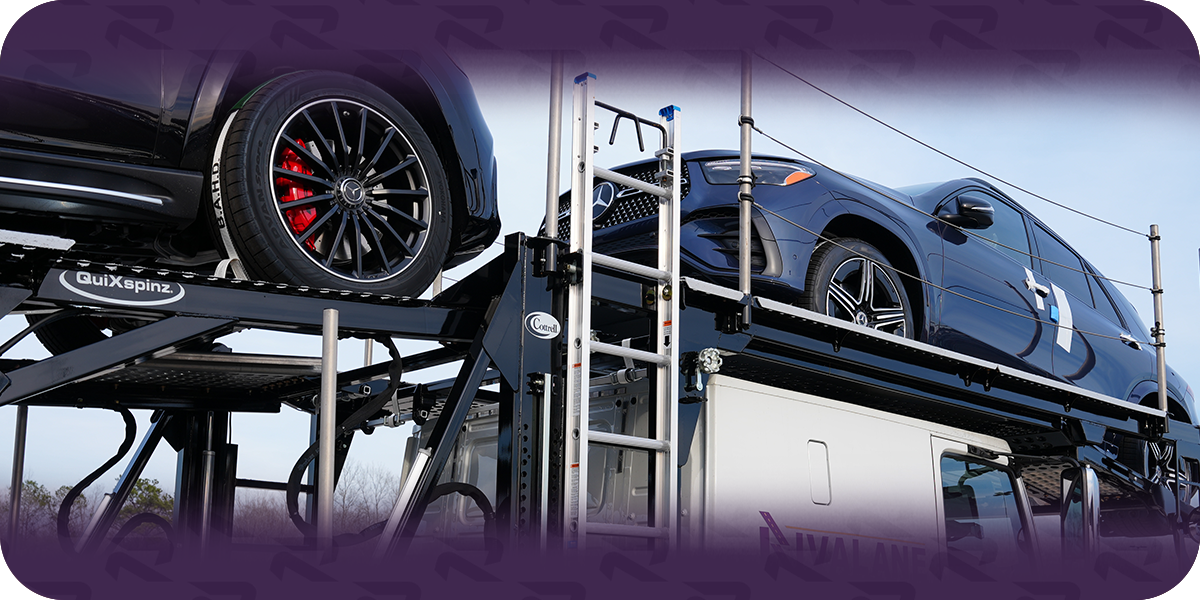
Understanding Auto Shipping Costs
Car shipping prices shift based on a few core factors, and knowing them early helps you estimate realistically.
First, distance shapes the biggest part of the quote. Longer trips usually lower the per-mile rate because carriers plan differently for cross-country moves, even though the total price increases. Then, vehicle size and weight influence the equipment and trailer space a truck can safely handle. Larger or heavier vehicles take more fuel and securement gear, which adds cost.
After that, the transport method plays the next major role. Open trailers cost less because they move more cars at once, while enclosed trailers carry fewer vehicles and prioritize exterior protection. Finally, timing affects availability and carrier density. Peak seasons, tight pickup access, or fast-approach schedules put pressure on capacity, which pushes rates higher.
A reliable quote starts with these checked in order, not skipped in a rush.
Insurance Matters
Most auto transport companies include cargo insurance as part of their services. This coverage protects your vehicle during transit.
For high-value vehicles, you may consider additional insurance for extra peace of mind. Rivalane prioritizes customer confidence by providing comprehensive insurance for all shipments.
Pickup and Delivery Options
Choose the option that best suits your needs:
- Door-to-Door Service: Convenient but slightly more expensive, this option picks up and delivers your car directly to specified addresses.
- Terminal-to-Terminal Service: More affordable but requires you to drop off and pick up your vehicle at designated terminals.
Tips for First-Time Shippers
Here are a few tips for first time shippers:
- Book Early: Early booking ensures better rates and availability.
- Communicate Clearly: Share your specific needs, such as delivery timelines or transport preferences, with the company.
- Ask Questions: Don’t hesitate to ask for clarification on any aspect of the process. Rivalane’s friendly team is always ready to assist.
Final Thoughts
Shipping a car for the first time is a real milestone. It’s normal to feel a bit of pressure; you’re trusting someone else with something you care about. But then, once the steps fall into place, the whole experience starts to feel different.
So first, a quote should come from real truck capacity. Then, the trailer type should match the car’s value and clearance. After that, the driver should be vetted before dispatch, not after. When a company answers your questions directly, that’s when trust stops feeling risky.
Finally, a smooth shipment ends the way it should: calm, clear, and personal. That’s when confidence turns into relief you can actually feel.
Frequently Asked Questions