What Does It Actually Cost to Drive It Yourself?
Most people price a drive by thinking about gas. Gas is the smallest part of it.
The IRS publishes a standard mileage rate that represents the full cost of operating a vehicle, covering fuel, maintenance, tires, insurance and depreciation together. For the second half of 2026 that rate is 76 cents per mile, raised from 72.5 cents on 1 July under IRS Announcement 2026-11. Multiply it by your route and you have a defensible figure for what the drive costs your car.
That figure covers the vehicle. It does not cover the trip. A long haul adds hotel nights, meals on the road and tolls through several states, and it takes days you would otherwise spend working or settling in.
What Goes Into an Auto Shipping Quote
A shipping quote moves on a handful of factors rather than one fixed rate.
Distance and route matter most, and a common lane between two metros prices differently from a remote pickup. Vehicle size and weight change how much trailer space you take up. Open transport costs less than enclosed because it spreads a trip across more vehicles. Season and timing shift carrier availability, and a flexible pickup window usually prices better than a fixed date. Operating condition counts as well, because a vehicle that does not run needs a winch and extra handling.
Rivalane does not publish a price range for this, and the omission is deliberate. A range wide enough to be honest is too wide to be useful, and a narrow one would be wrong for most routes. Run your actual route through the car shipping calculator and set that figure against your own driving math.
Where the Two Numbers Cross Over
Distance decides this more than anything else.
Under a few hundred miles, driving almost always wins. The mileage cost stays small, you skip a hotel, and arranging a carrier for a short hop rarely pays for itself.
The picture changes as the route stretches. A cross-country move puts thousands of miles on the odometer at the full operating cost of the vehicle, plus several nights away and several days gone. That is the range where shipping begins to compete on money alone, before you count the time at all.
Work the arithmetic on your own route rather than trusting a rule of thumb. Your mileage figure and your quote are both specific to you.
When Driving Is the Better Call
Shipping is not the right answer for every move, and it is worth saying so plainly.
Drive it yourself when the distance is short. Drive it when the car is old enough that added mileage costs you nothing in resale. Drive it when your schedule is open and a fixed pickup window would be a constraint rather than a help. Drive it when you wanted the road trip, because that is a real reason and no cost table captures it.
Ship it when the distance is long, when the vehicle is worth protecting, when you need to arrive before the car does, or when you cannot spare the days.
What Each Option Does to Your Car
Driving puts real miles on the odometer.
Those miles move the car toward its next service interval, wear tires and brakes, and show up in resale value later. On a newer or higher-value vehicle that cost is not trivial. On a fifteen-year-old commuter it barely registers.
Check your lease before you decide. A lease sets a mileage allowance, and every mile past it costs a fixed amount per mile when you hand the car back. A cross-country move can absorb a large share of a year's allowance in a week. That turns added mileage from a soft loss in resale value into a bill with a number on it.
Driving also carries a cost you cannot budget for. A shipping quote is a fixed price agreed before the vehicle moves. A tire, a brake job or an alternator on an unfamiliar interstate is whatever it turns out to be, and a longer route means more chances to find one.
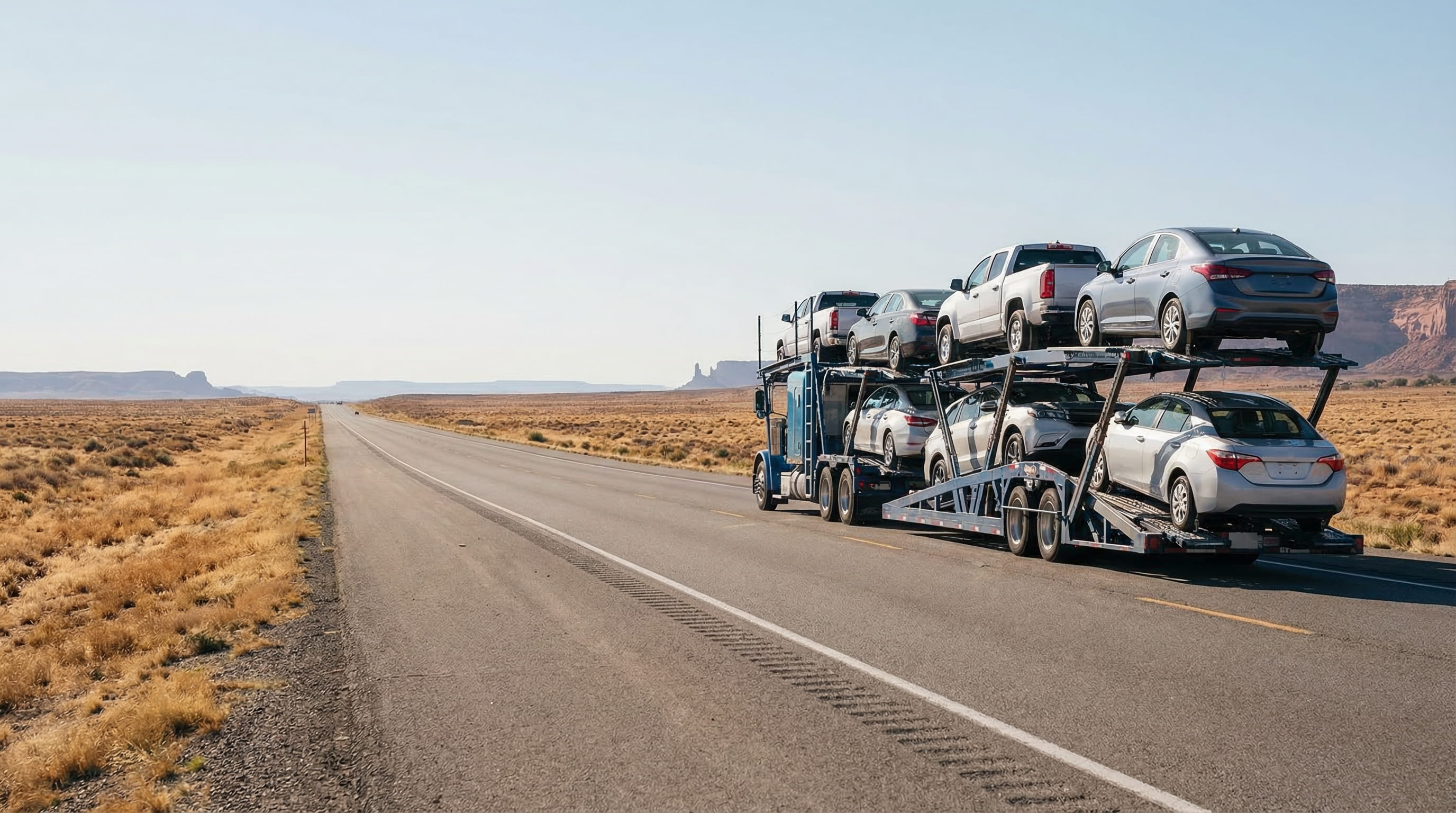
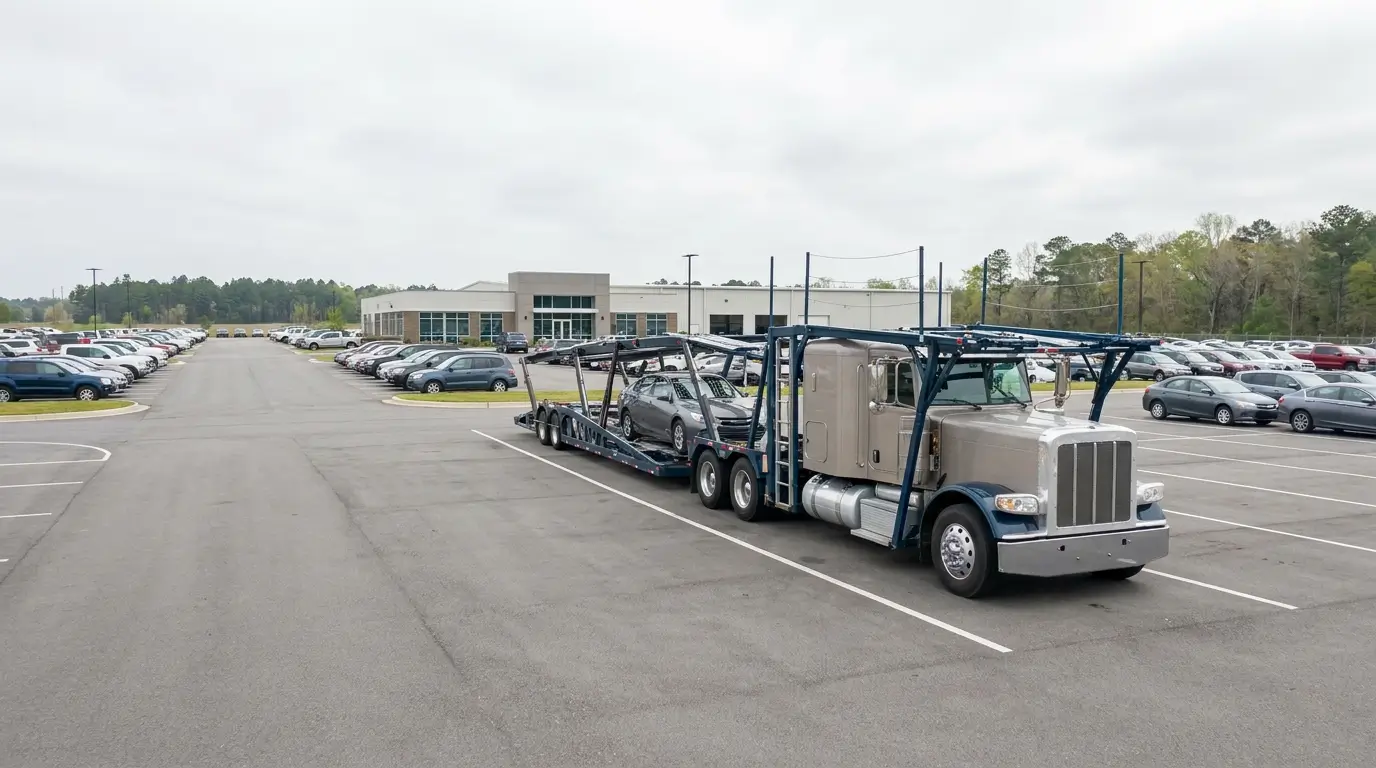
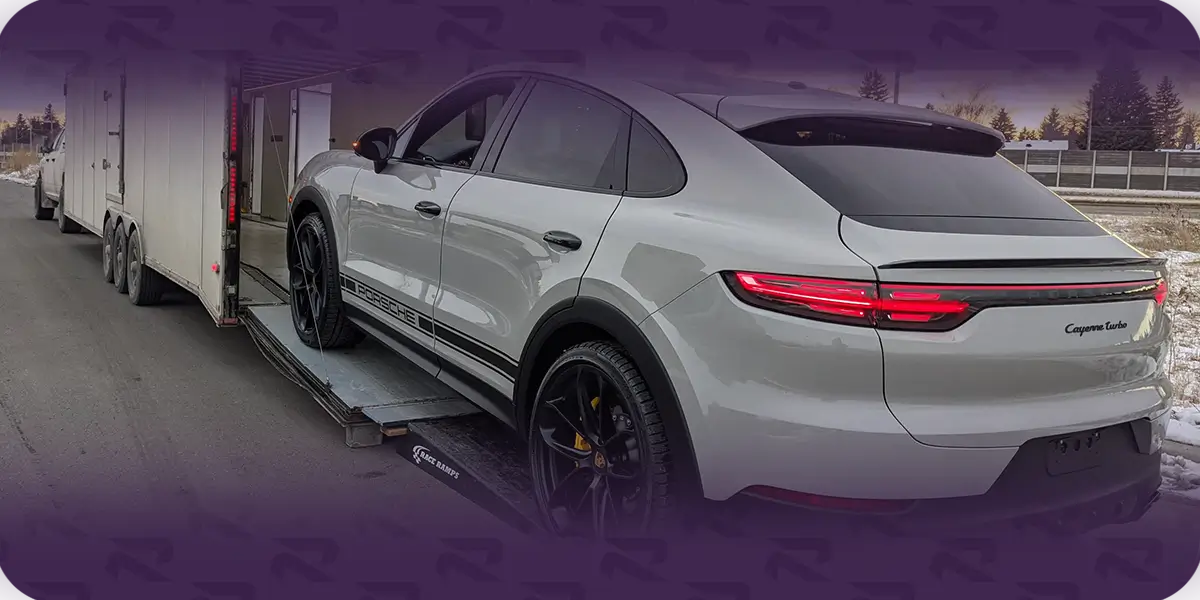
Shipping adds no mileage. The trade is exposure of a different kind, because your car spends days on a trailer in someone else's care. Open transport carries it on an uncovered trailer, which suits most standard vehicles. Enclosed transport costs more and shields the car from weather and road debris, which is why owners of classics and low-clearance builds choose it. Our guide to open versus enclosed shipping works through the trade-off in detail.
Who Carries the Risk
Risk transfer belongs in this comparison, because it is one of the genuine differences between the two options.
Drive the car yourself and every mile of exposure is yours, under your own auto policy.
Hand it to a carrier and the picture changes in a way worth understanding before you book. Rivalane is the trade name of Zone Auto LLC, a licensed property broker operating under USDOT 4178374 and MC 1608310. We arrange transport through licensed carriers and never take possession of your vehicle, so the coverage that responds to transit damage is the assigned carrier's cargo policy rather than ours. Ask for the certificate of insurance before the vehicle loads, photograph the car at pickup, and check the condition report at both ends. You can confirm any company's authority and operating status on the FMCSA SAFER Company Snapshot. Our guides to car shipping insurance and to brokers and carriers cover both points properly.
How to Compare Your Own Two Numbers
Two figures settle this, and neither takes long to get.
Take your route mileage and multiply it by the current IRS rate to price the driving. Add lodging, meals and tolls for the days you would be on the road, and put a value on the time those days cost you. Price the same route through the shipping calculator. Transit timing depends on the route and on carrier availability, and our guide to how long shipping takes sets out what shapes it.
Whichever number is smaller is your answer. Contact us if your vehicle or your route needs a closer look than a calculator can give.
Frequently Asked Questions
Is auto shipping cheaper than driving?
How much does it cost to drive across the country?
When is driving cheaper than shipping a car?
Does shipping a car save time?
Who insures my car while it is being shipped?
Does shipping put miles on my car?