Why Shipping Multiple Vehicles Costs Less Than Shipping One at a Time
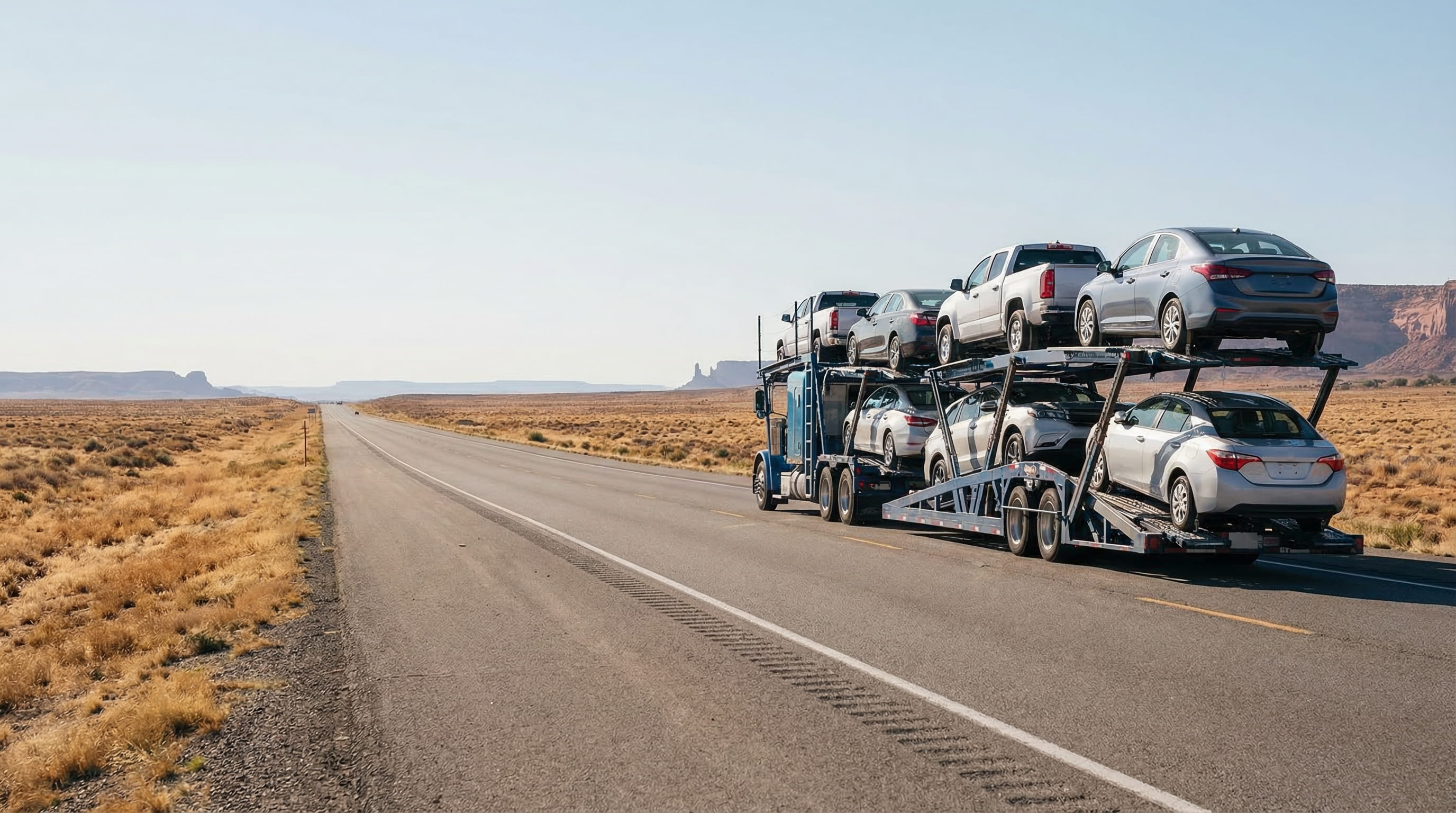
Carriers lower costs the moment more than one vehicle enters the plan. First, route efficiency improves immediately. One truck follows a single path instead of bouncing between separate pickups.
Additionally, usable space increases, which eliminates wasted capacity that still costs fuel and time. However, the biggest shift happens behind the scenes. Paperwork shrinks. Scheduling friction drops.
Driver hours stretch further without extra stops. When customers ship multiple cars, those operational savings no longer stay with the carrier alone.
They pass directly into lower per-vehicle pricing.
How Multi-Vehicle Shipping Actually Works
The process begins with alignment. Pickup points match. Delivery locations stay consistent. From there, everything moves as one.
The carrier builds a single schedule, loads vehicles in a planned order, and commits to one delivery flow. Meanwhile, communication stays tight, because one driver manages the entire shipment
Updates remain clear and timing stays predictable. However, this only works when coordination stays intact. That is why multi car transport relies on planning, not improvisation. One route and one timeline. One shipment moving forward without fragmentation or guesswork.
The Real Cost Savings of Shipping Multiple Vehicles Together
The numbers start to make sense once everything moves as one plan. Shipping several cars together changes how carriers price the job, not because of shortcuts, but because efficiency improves at every step. Fuel stretches further. Driver hours stay productive. Routes tighten instead of spreading thin. As a result, costs stop piling up and start working in your favor. This is where multiple vehicle transport delivers real value, not on paper, but on the final quote.
Carrier Efficiency and Shared Transport Costs
Efficiency drives the savings first. One truck covers one route instead of looping back for repeat pickups. Fuel use drops immediately, and driver time stays focused on movement, not waiting.
At the same time, carriers avoid empty space that still costs money to haul. Because everything loads once and unloads once, handling stays minimal.
Fewer stops mean fewer variables.
Bundled Pricing vs. Separate Shipments
Separate shipments trigger repeat costs. Each car adds its own scheduling, loading window, and delivery coordination. Bundling removes that repetition. One plan replaces several, and carriers price the shipment as a unit rather than as individual moves.
This is why multiple car transport almost always brings a lower cost per vehicle. The savings feel subtle at first, then obvious once quotes land side by side.
When Discounts Apply (And When They Don’t)
Discounts follow alignment. Shared pickup locations help. Matching delivery points help even more.
However, wide gaps in timing or distant drop-offs can limit savings. Not every multi-car shipment qualifies for the same rate, and that matters. Clear expectations protect trust and prevent surprises later.

Best Situations for Multi-Car Shipping
Some scenarios fit this model perfectly. Families relocating often move two or more vehicles to one address.
Seasonal movers ship cars together to avoid repeat trips each year. Dealerships and small fleets rely on bundled transport to keep inventory moving without runaway costs. When timing and locations match, multi-car shipping works exactly as intended.
Open vs. Enclosed Transport for Multiple Vehicles
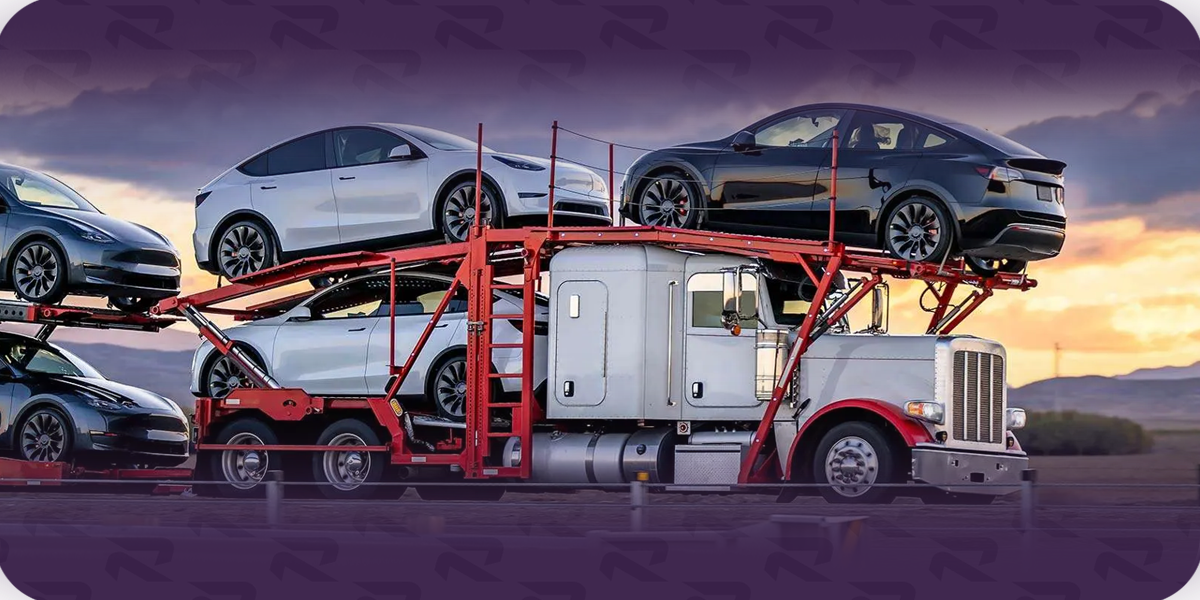
Cost usually decides first. Open transport keeps pricing lower, which explains why most multi-car shipments rely on it. Vehicles load faster, space fills easily, and carriers move without restriction.
However, protection sometimes matters more than price. Enclosed transport shields cars from weather, road debris, and exposure during long hauls. That option fits luxury, classic, or high-value vehicles where risk tolerance stays low.
Additionally, mixing both options often solves the problem cleanly. One enclosed spot protects a prized vehicle, while the rest ride open. That balance controls cost without sacrificing peace of mind.
What Affects the Price When Shipping Multiple Cars
Price shifts based on planning choices, not mystery formulas. Distance sets the foundation, since longer routes spread operating costs more efficiently.
Additionally, vehicle size changes how carriers load and balance weight. Larger vehicles limit flexibility. Timing matters just as much. Flexible windows open better routes, while tight deadlines restrict options. Pickup and drop-off alignment also plays a major role.
When locations match, complexity drops fast. Fewer adjustments mean lower pricing.
How to Get the Best Price When Shipping Multiple Vehicles
Start with alignment. Shared pickup and delivery locations unlock immediate savings. Additionally, flexibility works in your favor. Even a small date window gives carriers room to optimize routes. Carrier choice follows next.
Open transport keeps costs lean. Enclosed service adds protection when value justifies it. However, guessing rarely pays off. Smart planning beats last-minute decisions every time.
When structure replaces improvisation, pricing stays predictable and stress fades out. For guidance that turns coordination into real savings, Rivalane helps make multi-car shipping efficient from the first conversation onward.
Final Thoughts
Saving on car transport does not come from cutting corners. It comes from planning smarter and moving vehicles together. When routes align, carriers work more efficiently and pricing adjusts in your favor. That is why bundled shipments consistently cost less than separate moves. The key lies in coordination, flexibility, and choosing the right transport setup for your vehicles. When those pieces come together, the process feels simpler and the numbers finally make sense. Shipping multiple vehicles becomes a strategic decision, not a logistical headache. With the right approach and a reliable partner like Rivalane, cost savings follow naturally.
Frequently Asked Questions