10 Common Car Shipping Mistakes to Avoid
Here are the most common car problems that cause trouble for customers and the simple ways to stay ahead of them.
1. Choosing the Cheapest Quote and Expecting Premium Service
A cheap quote grabs attention instantly, and that’s exactly why it misleads so many people. You see a number that feels like a win, and for a moment, it seems like every company should match it. But ultra-low pricing almost always comes with a catch.
Many brokers offer rates they cannot secure with real carriers, which leaves your shipment sitting on the load board untouched while you wait for answers. And once the delay becomes impossible to ignore, the price suddenly changes. That’s the familiar bait and switch pattern that frustrates thousands of customers every year.
Competitive pricing is normal, and you should absolutely compare quotes. Extreme discounts, however, are a red flag every single time. Real value comes from reputation, honest communication, and verified credentials, not from a number that looks attractive but never delivers the service you expected.
2. Ignoring Insurance Coverage and Liability Details
Insurance gives people confidence, and that confidence often creates the first misunderstanding. You hear the words “your vehicle is insured” and assume everything is protected. It isn’t.
Auto transport typically includes cargo insurance, which covers exterior damage during transit. Personal items, mechanical issues, or pre-existing problems do not fall under that policy, and surprises appear quickly when this part stays unclear.
This is exactly why the Bill of Lading matters so much. It documents the vehicle’s condition at pickup and becomes the one record that supports you if something changes at delivery. Without it, any disagreement becomes far harder to prove.
Reputable companies explain these coverage limits upfront so nothing feels hidden or confusing. When these details stay vague, small assumptions turn into real disputes. Clear insurance expectations protect you long before the truck arrives.
3. Not Reading the Transport Contract or Terms Carefully
A lot of problems start right here, with a contract that gets skimmed instead of read. It happens fast. You feel ready to ship your vehicle, everything sounds straightforward, and the terms look long and unimportant.
But those pages outline fees, timing expectations, cancellation rules, and responsibilities that directly shape your entire experience. Missing even one detail can turn into an unexpected charge or a stressful moment later.
For example, dispatch fees or storage charges may appear if the carrier arrives and the pickup spot isn’t accessible. Some agreements also explain how scheduling windows work, and customers often misunderstand those timeframes until the truck is already on the way.
The contract isn’t meant to intimidate anyone. Its purpose is to protect both you and the carrier with clear expectations. Before signing, slow down and ask questions. A trustworthy company like us welcomes that conversation.
4. Selecting the Wrong Transport Type for Your Vehicle
Choosing the right transport style plays a huge role in avoiding headaches and common car issues during a shipment. Open transport works perfectly for most daily drivers because it’s affordable, efficient, and widely available.
But certain vehicles need more than the standard option. Luxury cars, classics, low-clearance sports models, and anything with delicate paint or modifications often fit better inside an enclosed trailer.
The difference becomes obvious once you picture the conditions on long routes. Enclosed transport protects the car from weather, road debris, and curious eyes, which matters when the vehicle holds high value or emotional meaning.
The best approach is simple. Match the transport type to the car’s condition and its importance to you. When the method aligns with the vehicle, you feel confident from the moment it loads onto the truck.
5. Failing to Prepare the Vehicle Before Pickup
Preparation feels small, yet it shapes the entire shipment. A clean car makes a huge difference because every scratch or mark shows clearly in the inspection photos. This protects you later, and it also gives the driver a clear view of the vehicle’s condition.
Personal items, on the other hand, create real problems. They shift, they add weight, and they are not covered by insurance at all. Removing them avoids damage and avoids obstacles during transport.
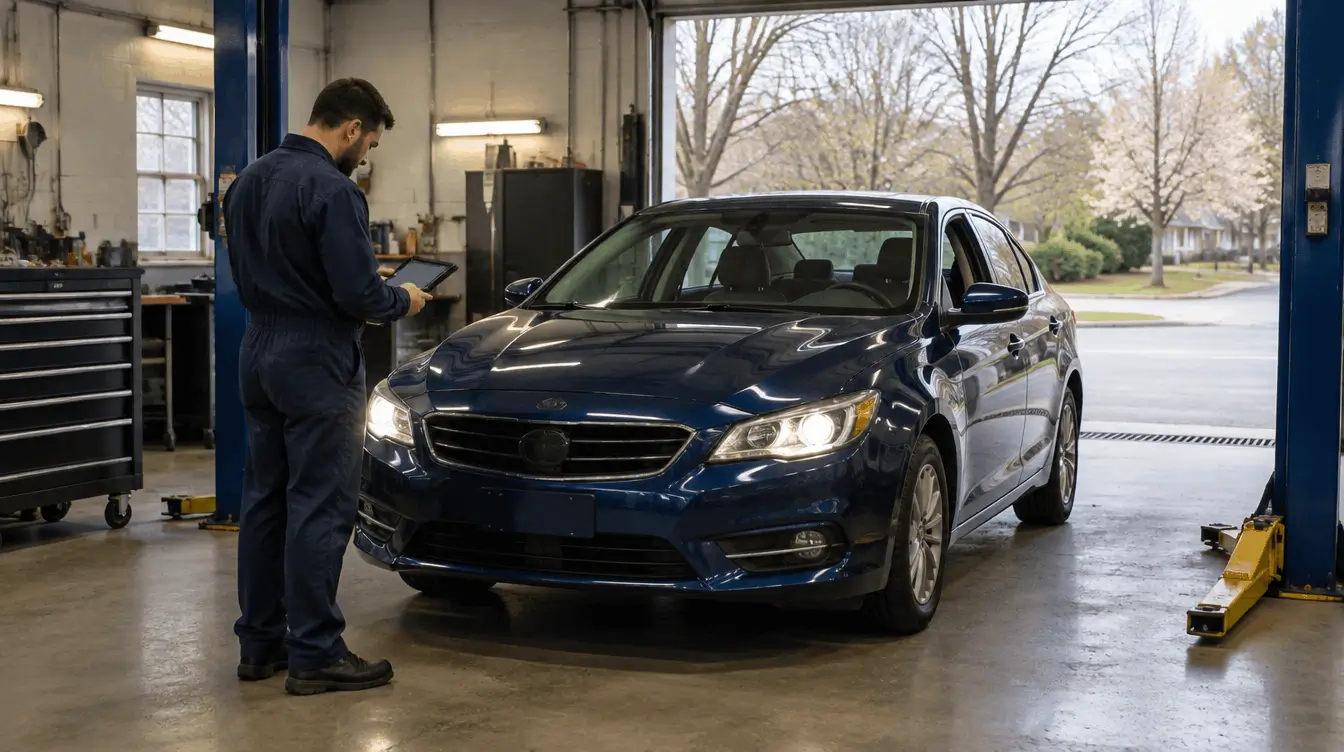
It also helps to check the basics. Look for leaks, confirm the battery holds a charge, and make sure the car can move on and off the truck without a struggle. Carriers rely on quick loading, and any unexpected issue slows everything down.
Keep the fuel at roughly a quarter tank, nothing more. It’s enough for maneuvering without making the vehicle heavier than necessary. A little preparation saves a lot of stress.
6. Booking Too Late or Scheduling Without Flexibility
Timing matters more than people expect, especially with car shipping services. When customers book at the last minute, the pool of available carriers shrinks instantly. Prices climb, schedules tighten, and the shipment feels rushed before it even begins.
A bit of flexibility goes a long way. If you allow a reasonable pickup window, dispatching becomes faster and smoother because more carriers can fit your route into their schedule.
Rigid timing, on the other hand, limits options and adds pressure for everyone involved. Early planning keeps you in control. The sooner you confirm your shipment, the easier everything else becomes.
7. Providing Inaccurate Pickup or Delivery Information
Small mistakes in the address seem harmless at first, but they create real delays once the truck gets close. A tight neighborhood, a gated community, or a street with no room to turn can stop a large carrier instantly.
These trucks are huge, and car transport nationwide relies on wide roads, open space, and safe angles for loading. When the truck can’t reach the exact spot, the driver may ask to meet in a nearby parking lot or open area, and that’s completely normal.
A few small details make a big difference:
- An exact street number and clear instructions help the driver plan the approach.
- Notes about gates, steep hills, or tight turns save time and prevent confusion.
- Mentioning nearby landmarks helps the driver locate you quickly.
Accurate contact information matters just as much. If the driver can’t reach you, even a perfect schedule falls apart. A reachable phone number and clear directions keep the entire process moving, especially when timing feels tight.
8. Overlooking Carrier Reputation and FMCSA Verification
A company can sound professional on the phone, but the real story shows up in its credentials. Many customers skip this step because it feels technical, yet it’s one of the strongest forms of protection you have.
A legitimate carrier or broker lists DOT and MC numbers, along with proper FMCSA registration, directly on its website or paperwork. These details prove the company operates legally and holds the required insurance.
Experience and safety scores matter too. They show how well the company handles shipments on a daily basis, not just how they market themselves.
Scams often mimic real businesses, but they can’t produce genuine records or verifiable insurance. A quick FMCSA check takes seconds and saves you from a long list of problems later.

9. Skipping the Vehicle Inspection at Pickup and Delivery
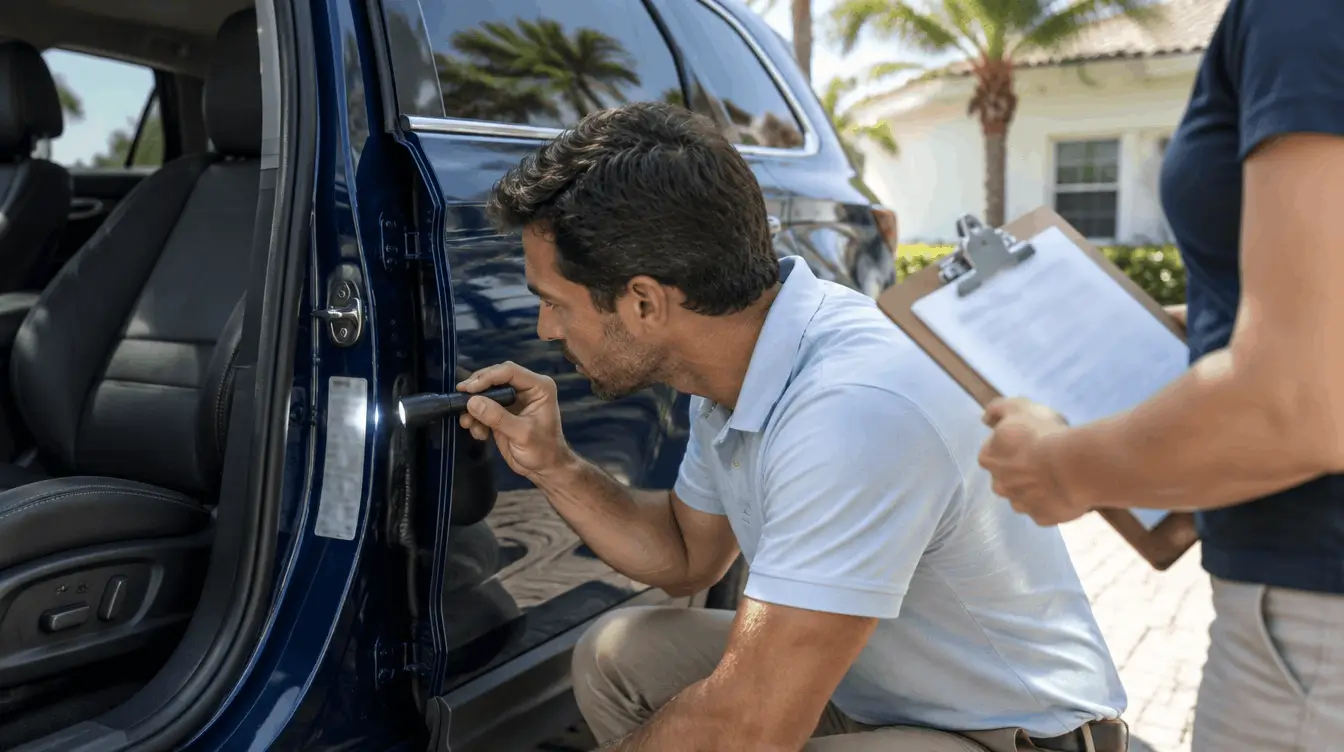
The inspection feels quick and easy, but skipping it creates problems that are almost impossible to fix later. The Bill of Lading serves as the official record of the vehicle’s condition, and without accurate notes, any claim becomes a debate with no evidence. A few minutes of attention here protects you far more than most people realize.
Take clear photos at pickup and delivery, and capture the car from multiple angles. Small marks, chipped paint, tiny dents, anything you notice should be documented. These details become your safety net, especially if something changes during transport. Damage in transit is less common than many people expect, and our guide to car shipping myths and misconceptions explains what actually protects your car.
10. Falling for High-Pressure Sales Tactics and Scams
Some offers sound convincing, and that’s exactly how people get pulled into trouble. Scammers rely on fake low quotes, sudden price jumps, or aggressive calls that push you to book before you even understand what you’re agreeing to. These are some of the most common shipping mistakes, because the pressure feels real in the moment.
A few practices keep you safe:
- Verify the company’s DOT and MC numbers before trusting anything.
- Check real customer reviews instead of relying on polished claims.
- Avoid cash-only demands or “reserve now before the spot disappears” pressure.
Scam patterns repeat across the industry, but once you know them, they stand out fast. A legitimate company never rushes you into a decision you don't feel comfortable with.
Why Rivalane Doesn’t Fall Into These Mistakes
A lot of companies talk about reliability, but Rivalane actually builds the process around it. Every shipment moves through verified, insured, FMCSA-compliant carriers, not whoever happens to be available that day.
That alone removes half the issues customers face elsewhere. We keep pricing consistent too. No bait and switch, no surprise jumps, no quiet add-ons. What you agree to upfront is the price that follows you through the entire shipment.
We also explain insurance clearly, without vague phrases or rushed conversations. You understand what’s covered, what isn’t, and why it matters. Contracts stay simple and transparent, and our dispatch process reflects real timelines instead of unrealistic promises.
A quick snapshot of how we prevent the mistakes from earlier:
- Clear, honest communication from the first call
- Real carriers with real insurance
- Support at every step so you never feel lost or unsure
Tip: If you're not sure what you should ask an auto shipping company before booking but you need a quote, we created a guide for you.
Final Thoughts
Most problems in car shipping start with rushed choices or information that never felt clear in the first place. When you slow down just a little and look at the details, the entire process shifts. Planning early gives you options, choosing reputable partners removes uncertainty, and staying informed keeps you in control instead of reacting to surprises.
You already know more than most people who start this journey blind. Use that to your advantage. Ask questions, compare companies honestly, and trust the steps that feel steady rather than the ones that promise miracles. Smart preparation leads to a smoother shipment every single time.
If you’re ready to book car transport without complications, reach out to Rivalane and we’ll walk you through everything you need.