Does The Size Of a Car Shipping Company Actually Matter?
The size of a car shipping company matters more than most people realize.
It influences how closely your vehicle is monitored, how quickly you get answers, and whether real oversight exists from pickup to delivery. Smaller car shipping companies usually stay closer to the process because they’re not moving freight in massive volume.
They know the carriers they trust, recognize when something feels off, and step in before a small issue becomes a real problem. Those hands-on habits come from being present.
And that kind of involvement can protect your car far better than any big network ever could! We operate this way by design, keeping their workload controlled so every shipment gets genuine attention.
What Defines a “Small” Car Shipping Company in This Industry?
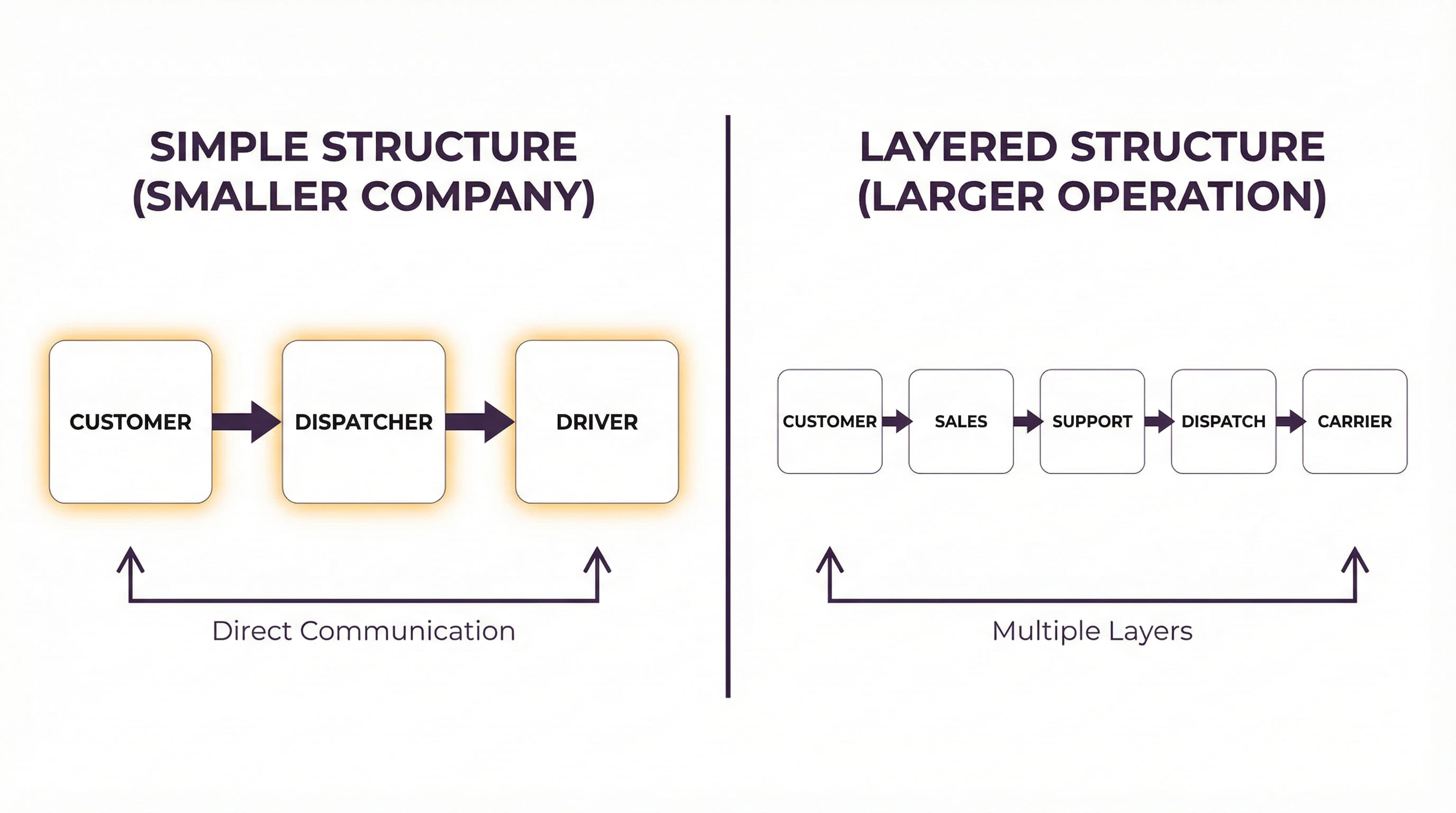
A small car shipping company is one that keeps its operation tight and intentionally controlled. Instead of routing you through big offices or multiple layers of staff, you’re usually dealing with a team that’s close to the work itself. That’s why you can ask a question and get an answer from someone who actually knows which carrier is picking up your vehicle and where it stands in the schedule.
There’s also a different attitude toward the drivers they trust with cars. Smaller operations build that list carefully over time, because they’ve seen enough to know that letting an unknown carrier handle a shipment is risky.
They work with verified MC numbers, familiar names and drivers they’ve watched perform. And since they’re not buried under excessive bookings, timelines stay realistic and communication doesn’t get stretched thin.
Companies like Rivalane operate with that mindset on purpose. Keeping the workload within reach means details don’t get brushed aside, follow-ups happen faster, and there’s room to react when something needs attention.
That kind of involvement is what actually protects your vehicle.
Why Do Fewer Layers Make Shipping Smoother?
Fewer layers keep communication direct, and that matters when your vehicle is in transit! You speak directly with the person who schedules carriers, tracks arrival windows, and knows what’s happening with your vehicle in real time. Because the message isn’t filtered through departments, the details stay accurate and decisions move faster.
And there’s something else you’ll notice as soon as an issue needs attention: response time. When a team stays close to dispatch, questions get sorted out quickly instead of being bounced between support desks.
Here, we keep our structure intentionally compact for this exact reason. More direct oversight means fewer mixed updates, quicker answers, and a calmer process for everyone involved.
Are Smaller Companies Less Likely to Double-Broker Loads?
In most cases, yes, smaller companies are far less likely to hand your shipment to another carrier without telling you. They usually rely on a small, verified group of carriers they’ve worked with before, which removes the pressure to repost the job to whoever bids lowest. Because the carrier selection is deliberate, you stay aware of who has your vehicle instead of discovering changes after it’s already in motion.
That matters, since most problems start when a shipment changes hands without approval. Paperwork shifts, communication becomes inconsistent, and responsibility becomes harder to trace.
Our car shipping company avoids those situations by working with familiar MC numbers, verified insurance and clear identity checks from the start. We also hold a firm policy against unauthorized reassignments. The result is a cleaner line of custody and far fewer surprises.

Can Small Companies Actually Vet Carriers More Carefully?
Yes and the difference is real. Smaller car shipping companies handle fewer loads at once, which gives them breathing room to study the carrier that gets your vehicle. Instead of posting blindly and hoping for the best, they look at who’s showing up, how they’ve performed, and whether they belong on the approved list at all.
Check #1: Verified Operating Authority
MC and DOT credentials get cross-checked so the carrier identity matches the company that shows up on pickup day. No mismatched numbers or any borrowed paperwork.
Check #2: Insurance Validation
Active policies, coverage limits, and expiration dates are reviewed before dispatch, especially when the shipment value is high.
Check #3: Safety and Complaint History
FMCSA reports, inspection data, and track records matter. Sloppy carriers usually leave a trail, and smaller companies have time to look for it.
Check #4: Proven Performance
On-time pickups, professional communication, and reliable drop-offs carry weight. If a driver has earned trust, they stay in rotation. If not, they’re removed.
Carrier vetting becomes personal instead of rushed. Our company treats this as a non-negotiable step because putting your vehicle in the wrong hands is the fastest path to problems and we refuse to gamble with that.

Do Smaller Companies Offer More Consistent Pricing?
Very often, smaller companies do offer more consistent pricing. When a quote isn’t designed to lure you in, it has room to reflect real carrier rates. Smaller operations typically avoid bottom-dollar pricing because they’re not scrambling to stack bookings. They price according to actual carrier movement, which keeps expectations realistic on both ends.
That approach lowers the pressure to chase the cheapest unknown driver, reduces last-minute dispatch switches, and helps prevent the ransom situations that start with a too-low offer.
We follow that same principle by quoting what it truly takes to attract the right carrier and not the fastest bargain. It keeps the shipment stable, honest, and far more predictable.
How Does Communication Differ?
It becomes more straightforward and noticeably easier to trust. When the company isn’t spread out across layered departments, you’re usually speaking with the person who’s assigning the carrier and watching the transport unfold. All in all, you get information from someone who actually knows what’s happening with your vehicle.
And when a question comes up, the response doesn’t drift through three different names. The person on the call can check scheduling, verify details, or adjust something right away. That kind of direct line changes the tone of the experience. It gives you more confidence and not scripted replies.
When Do Drivers And Dispatchers Matter Most?
The moment anything shifts during car transport, people (not systems) decide how it plays out. A pickup runs late, weather blocks a route, or a scratch needs to be documented before anyone signs off.
In those moments, you don’t want updates traveling through layers. You want someone who actually manages the dispatch board and knows which carrier is touching your vehicle. Short path. Fast answers. Real accountability.
At Rivalane, we stay close to that work on purpose. If timing needs to change, we can call the driver immediately. If damage has to be recorded, someone who understands the process guides that conversation instead of leaving you unsure about what happens next.
And when your plans shift at the last minute, the update doesn’t sit in someone’s inbox. It reaches the person who can take action right now, because hesitation is the quickest way to turn a small problem into a nightmare.
Is Choosing A Small Company Always the Right Move?
Honestly, choosing a small company is not always the right move. Some situations call for a wider network, such as oversized equipment, extremely rare routes, or last-minute emergency car transport that needs multiple dispatch options. Larger carriers can sometimes cover those jobs faster simply because they have more trucks on the road.
But when the shipment is standard, like a single sedan, SUV, or pickup going from one home to another, smaller companies usually deliver a smoother experience. Fewer moving parts, tighter oversight, and a clear line of responsibility tend to matter far more than scale.
So What’s the Takeaway?
Small doesn’t mean limited. In car transport, it often means sharper focus and tighter control. For most vehicles, a well-run smaller company offers more transparency and fewer chances for something to slip through the cracks. And when the unexpected shows up (because as we all know that it does) the company that’s closest to its own process usually protects the customer best.