Why Door-to-Door Auto Transport Costs More Than Terminal Shipping
The price difference comes down to how the truck moves through the day. Door-to-door car transport costs more because the driver does not follow one fixed route. Instead, each pickup and drop-off requires planning, timing, and local access checks.
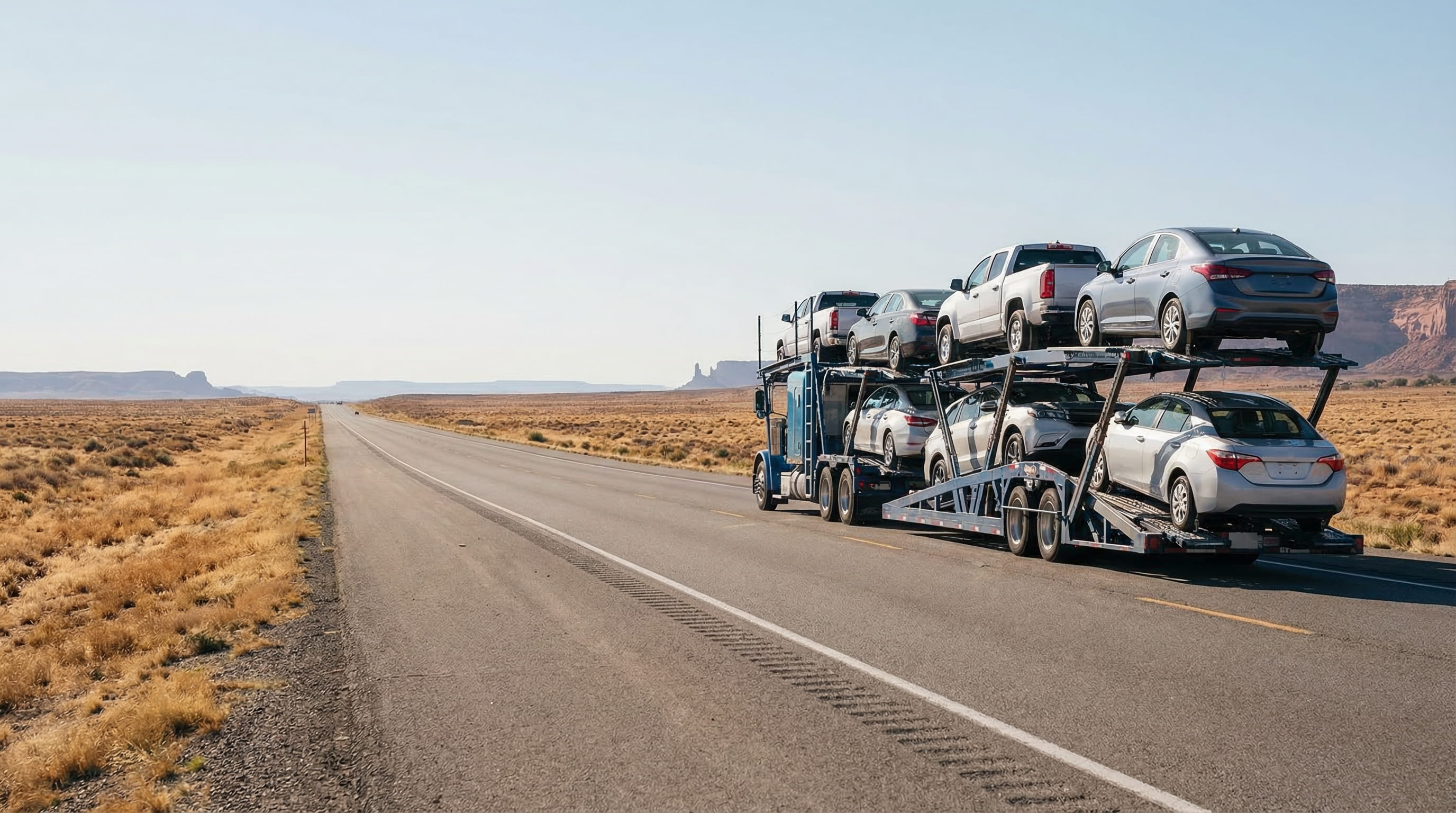
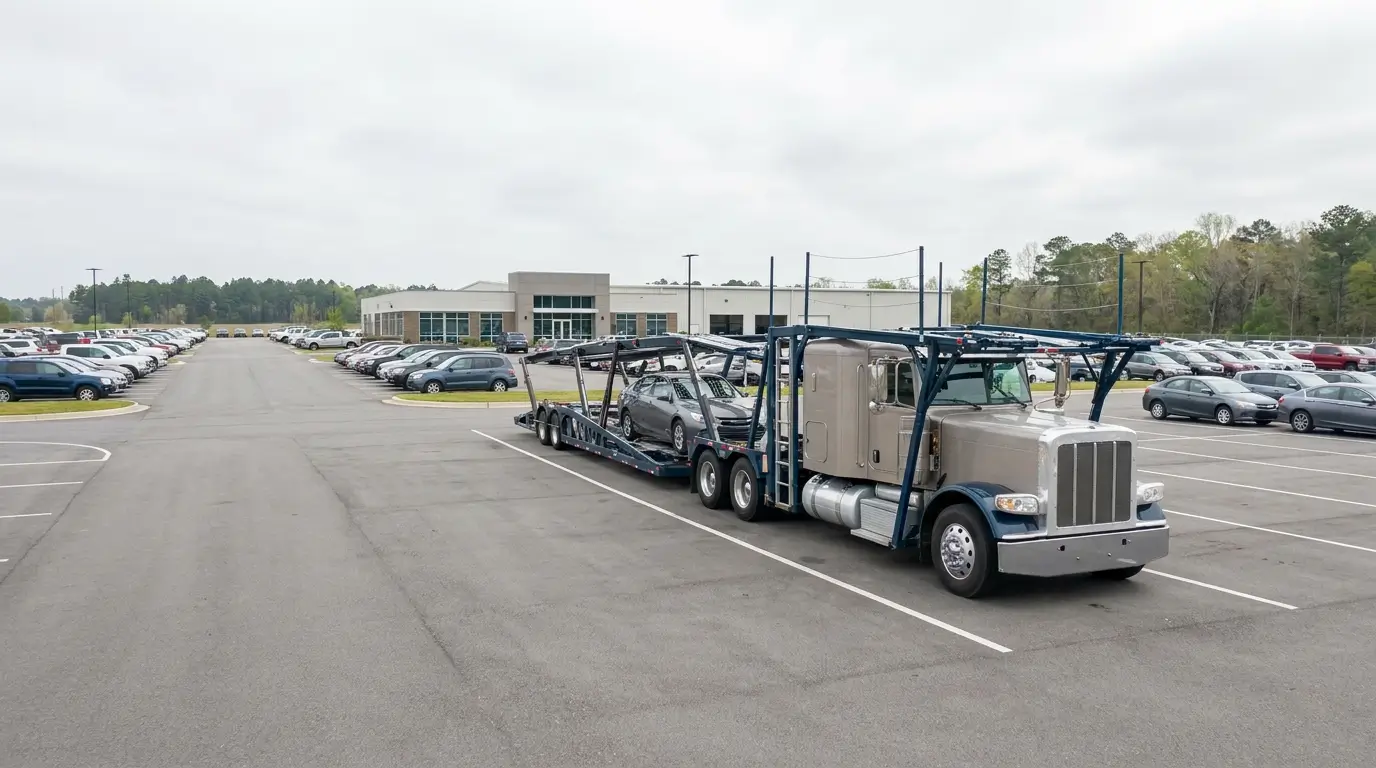
Some streets work, while others force changes on the spot. As a result, extra miles happen and time adds up. By contrast, terminal shipping runs on volume. Cars wait at one location, then move together along the same route.
This keeps schedules tight and costs lower. Door-to-door service, however, trades that efficiency for control and accuracy.
Because every stop matters, coordination increases at every stage. Here, we plan these routes carefully and price the work with full transparency.
What You’re Actually Paying For With Door-to-Door Service
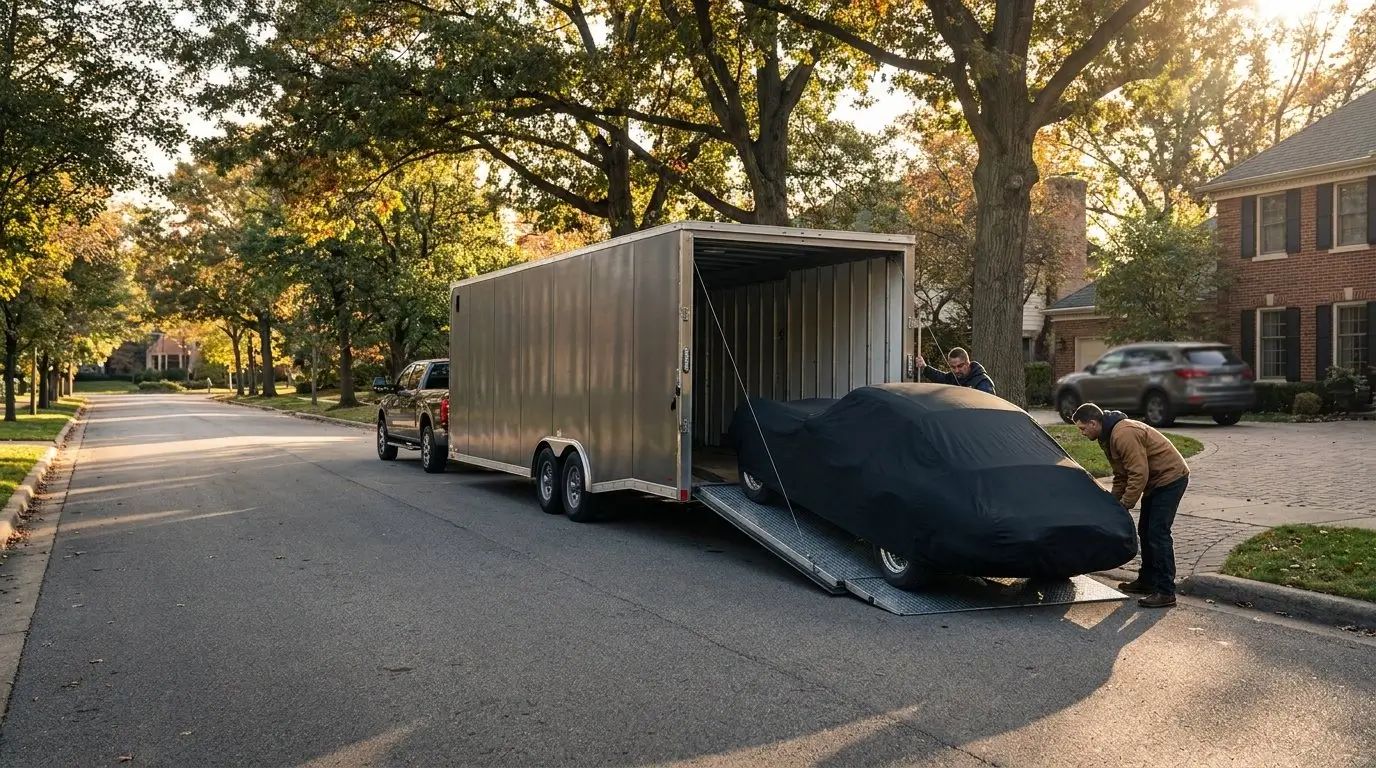
This service pays for simplicity from the first step. Door to door car transport removes the need to plan terminal trips, wait in lines, or adjust work hours around someone else’s schedule. Instead, the carrier comes to you, then delivers the car in the same way.
One pickup. One delivery.
Because fewer hands touch the vehicle, exposure during transit drops. At the same time, routes often move faster since the car does not sit at a yard waiting for the next leg. On long-distance moves, that difference feels significant.
As coordination shrinks, stress follows. The process stays direct and controlled from start to finish.
Pro Tip: Door-to-door pricing often offsets other expenses. Missed workdays, fuel for terminal trips, overnight stays, and added stress carry real cost
Is Door-to-Door Auto Transport Safer for Your Vehicle?
Yes, it often is, because the car moves through fewer hands and fewer stops from pickup to delivery.
Fewer Handling Points Mean Lower Risk
Every time a vehicle changes locations, risk rises. Terminal service adds extra steps. A car drops at a yard, waits, then loads again later.
Door-to-door removes most of that. The carrier loads once, then delivers. As a result, the vehicle stays on the same truck for the full route. Less movement means fewer chances for scratches, delays, or mix-ups.
Why This Matters More for Certain Vehicles
Some vehicles need more care than others. Luxury cars, classics, modified builds, and low-clearance models leave little room for error. Tight ramps, uneven lots, and repeated loading do not help.
Door-to-door service avoids those risks early. In many cases, owners pair this method with enclosed transport for added protection, especially when condition matters more than speed. The goal stays the same: fewer variables with a better control.
When Door-to-Door Auto Transport Is Worth the Extra Cost
This option makes sense when convenience and control matter more than trimming the last dollar. During relocations or cross-country moves, time feels tight, so plans often shift without warning.
In those moments, door-to-door service keeps the process steady and predictable. For online vehicle purchases, it also removes guesswork, since the car arrives without extra trips or terminal coordination.
Meanwhile, tight schedules push many people toward this option, especially when work hours leave little room to adjust. High-value or condition-sensitive vehicles fit naturally into this choice as well. As stress drops and control rises, the added cost often feels justified.

Pros and Cons of Door-to-Door Auto Transport
Every service comes with tradeoffs, and this one is no different, so a clear look at both sides helps set real expectations.
Pros
- Convenience
- Time savings
- Lower handling risk
- Flexible delivery options
Cons
- Higher upfront cost
- Limited access in tight residential areas
How to Decide If Door-to-Door Auto Transport Is Right for You
Now comes the part that matters most, and it starts with a few honest questions. Ask yourself how much flexibility you really have and whether timing matters more than price.
Consider what a delay would cost you, not just in money, but in time and stress as well. From there, focus on the company behind the service.
Clear pricing should answer questions, not raise new ones. Insurance coverage should feel easy to understand, not buried in fine print. Communication must stay steady from start to finish, not reactive when issues arise.
When all of this lines up, the right choice usually becomes obvious.
Pro Tip: Go with the option that gives you control and confidence, not simply the lowest quote.
Final Words
Door-to-door service is more about staying in control when timing matters and plans seem tight. For many people, the added cost starts to make sense once the extra steps disappear and uncertainty fades.
Fewer handoffs lead to clearer timelines, and clearer timelines change how the whole experience feels. That is when shipping stops feeling stressful and starts to feel manageable.
If you want a good company to ship car door to door, pay attention to how clearly they explain pricing, how carefully they plan routes, and how easy they are to reach when questions come up.
At Rivalane, we work that way every day, so customers always know where their car is, what comes next, and why the process stays on track.