Two Shipments, Same Distance, Days Apart
Two cars leave the same city for the same destination in the same week and arrive days apart. Nothing went wrong with either one. They were dispatched at different times, and dispatch is the part of car shipping that nobody puts in the headline.
The question behind how long it takes is usually a planning question. You need to know when to stop driving your own car, when to book a flight, or when someone has to be at an address to hand over keys. Answering that well means splitting the shipment into the two clocks it actually runs on.
The Two Clocks: Waiting for a Carrier, and Time on the Road
A car shipment does not begin when you book it. It begins when a carrier accepts your route and puts your vehicle on a truck. Everything before that is a waiting period, and for most customers it is the part that decides whether the car arrives when they needed it.
The dispatch clock
Rivalane is a broker, so what we do after you book is match your vehicle to a carrier already running or planning your lane. Typically that assignment happens within one to three working days. Treat that as an estimate drawn from normal operating experience rather than a commitment, because it moves with the route. A common lane between large metros fills quickly. A collection point two hours from an interstate waits for a truck that has a reason to go there.
The road clock
Once your vehicle is loaded, the drive is the more predictable half, and it is bounded by law rather than by ambition. Federal hours of service rules cap a property carrier's driver at eleven hours of driving within a fourteen hour window, followed by ten consecutive hours off duty. A coast to coast run is therefore several days of driving before anyone accounts for the other vehicles on the trailer, each of which has its own pickup and its own delivery address.
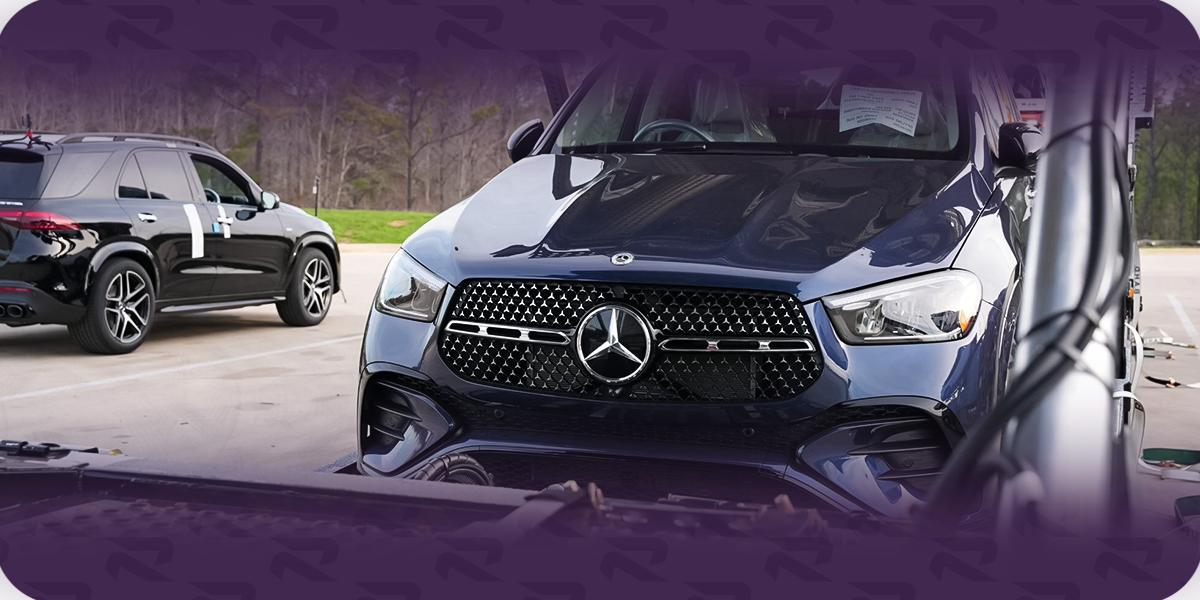
The carrier assigned to your vehicle gives you an estimated delivery date once it knows the truck, the route and the sequence of stops. That estimate is worth more than any figure published in advance by anyone, including us, because it is the only one built on your actual shipment.
Why Published Day Counts Disagree So Widely
Search this question and you will find confident answers that contradict each other. Published estimates for the same coast to coast move range from about a week to about three weeks, and some sites publish two different figures on two of their own pages.
They are not all wrong. They are measuring different things. Some count from pickup and quietly leave out the wait for a carrier. Others count from booking and look slower as a result while actually describing more of the process. Compare a pickup to delivery figure against a booking to delivery figure and you get a gap of days that has nothing to do with how fast anyone drives.
This is the single most useful thing to know before you book. When a company quotes you a timeline, ask what it starts from. A shorter number measured from a later starting point is not a faster shipment.
What Actually Moves Your Dates
Route density does most of the work. Lanes with steady freight in both directions get carriers daily; thin lanes wait for one to be worth the detour. Access matters next, because a driver in a sixty foot rig needs somewhere legal to stop, and a narrow street or a gated community can mean meeting at a nearby lot instead.
Your transport type shifts availability rather than speed. Open transport has far more trucks on the road, so it dispatches sooner. Enclosed transport runs on a smaller fleet, which usually means a longer wait for assignment rather than a slower drive. Season compresses everything in summer and around the snowbird migrations. A non running or oversized vehicle narrows the list of trucks that can take it at all. The same factors move what you pay, which we cover in what affects car shipping cost.
When a Fixed Pickup Date Will Slow You Down
Here is the part that costs people the most time, and it is worth saying plainly even though it argues against booking with us on your terms.
If you need collection on one specific named day and no other, you have made your shipment harder to place. Carriers build routes around vehicles they can collect inside a window, and a single fixed day removes yours from most of those routes. Customers who offer a two or three day window are very often collected sooner than customers who insist on one date, and they usually pay less for it.
So if your dates are genuinely immovable, say so at the quote stage rather than after booking, and expect the plan to be built differently. And if shipping cannot fit your deadline at all, driving the car yourself or delaying the move is sometimes the better answer. We would rather tell you that now than collect a booking that was never going to work.
Estimates, Guarantees, and the Difference Between Them
Rivalane provides an estimated pickup date and an estimated delivery date on every shipment. Our terms also state that we cannot and do not guarantee delivery dates or times, because weather, road conditions, regulations and mechanical problems sit outside anyone's control once a truck is moving.
A guaranteed pickup date is a different product and it is available as a paid upgrade. It fixes when your vehicle leaves, not when it arrives. That distinction is the one most worth understanding, because a company promising a guaranteed arrival is either charging you for something it cannot control or relying on you not to read the exclusions.
When you are ready to see real dates for your own route, run it through our car shipping calculator and we will come back with an estimate built on your lane rather than an average.
Frequently Asked Questions