What You Have to Do, and What the Carrier Handles
Most of a car shipment is not your job. A broker books the route and matches your vehicle to a carrier, the carrier drives it, and the two of them handle dispatch and scheduling between them. Your part is smaller than people expect, and it happens almost entirely in the days before the truck arrives.
Rivalane is the trade name of Zone Auto LLC, a licensed property broker under USDOT 4178374 and MC 1608310. It owns no trucks and employs no drivers. Every vehicle moves on a carrier's equipment, with that carrier's driver, under that carrier's operating authority. You can confirm all of that in a minute on the FMCSA SAFER Company Snapshot, and it is worth doing for whichever company quotes you. Our guide to brokers and carriers explains how to tell which one you are talking to.
Knowing where that line sits changes what you prepare. You are not organizing the transport. You are handing over a vehicle in a documented condition, at an address a large truck can reach, with nothing inside it that should not be there.
Can a Car Carrier Actually Reach Your Address?
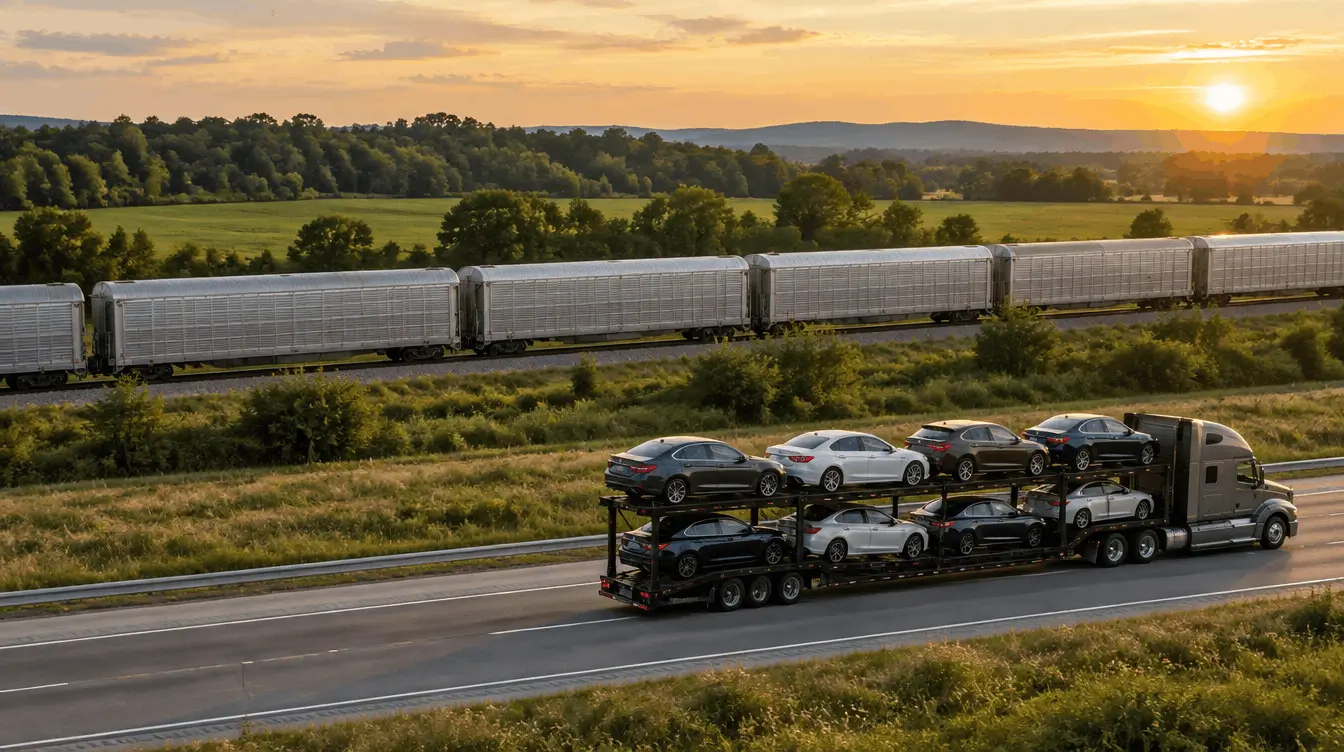
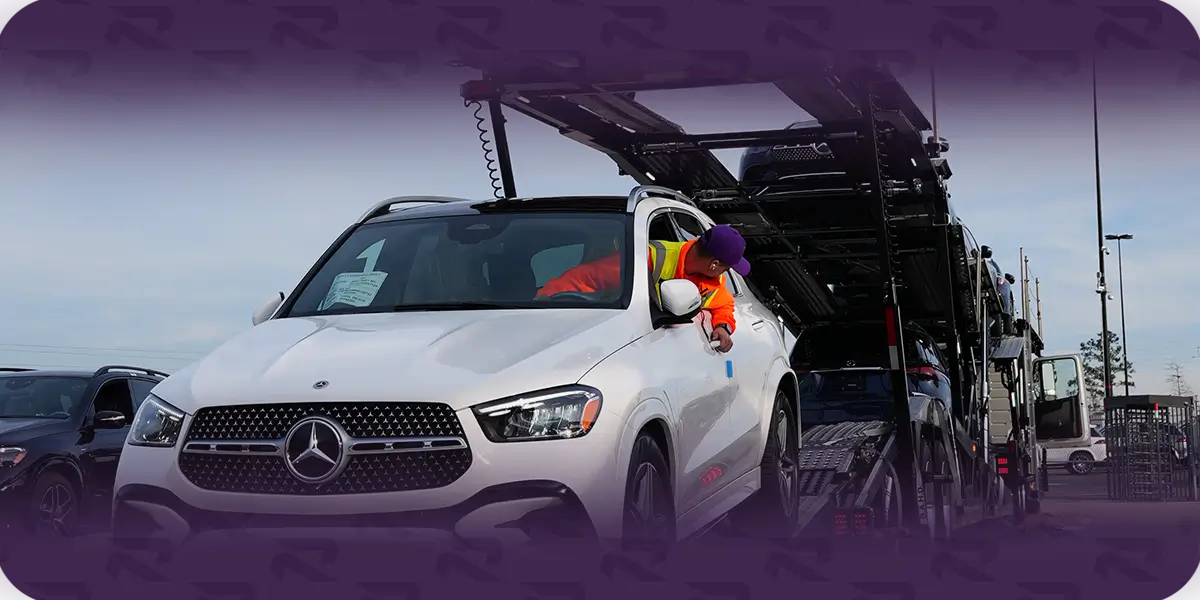
Most preparation guides skip this one. It causes more rescheduled pickups than anything on a checklist. A loaded auto transport trailer runs to roughly 75 to 80 feet. It needs overhead clearance, a straight approach, and somewhere to stop legally while it loads.
Walk your street before you book. Look for low branches, narrow turns, speed humps, tight cul-de-sacs, permit parking and overhead cables. Apartment complexes and gated communities cause the same problem for a different reason, which is that there is nowhere for a truck that size to stand.
Where the truck cannot reach your door, the driver will ask to meet you nearby. A wide shoulder, a supermarket lot or an industrial road are the usual answers. That is normal practice rather than a downgrade in service, and raising it when you book saves a wasted appointment.
Preparing the Car Itself
Give yourself an hour in the week before pickup and work through the car in this order:
Personal Items, Toll Tags and Anything Loose
Empty the cabin and the trunk. Carriers are licensed to move vehicles rather than household goods, so anything left inside travels uninsured at best, and at worst gives the driver grounds to refuse the load. That includes the glovebox and whatever has collected under the seats.
Two things get forgotten almost every time. A toll transponder keeps reading gantries from the back of a truck, so pull the tag and leave it at home. Garage remotes, parking permits and dashboard cameras travel better in your own luggage than in a car crossing several states.
Take off anything bolted on that you would not want to lose. Roof boxes, bike racks, loose trim and unsecured spoilers belong in the house until the car arrives.
What to Tell the Company Before Dispatch
The quote and the equipment both depend on facts only you have. Say them when you book. A driver standing in your driveway is the wrong moment to learn that the car does not start.
A vehicle that will not start, roll or steer needs a winch and a carrier set up for it. Lowered suspension, front splitters and long overhangs change which trailer can load the car at all. Oversized tires, lift kits and heavy aftermarket parts change its height and its weight. Every one of these can be accommodated, and none of them can be accommodated on the spot.
Ask whoever you booked with which documents they want at the curb, and have them ready. If someone other than you will release or receive the car, name that person when you book.
Who Covers Your Car, and Who You Would Claim Against
Photographs are only evidence if you know who to show them to.
Coverage sits with the carrier assigned to your shipment rather than with Rivalane. Terms differ from one carrier to the next, and limits, deductibles and exclusions are not standard across the industry. Ask for the certificate of insurance before the vehicle loads and read what it covers. Our guide to auto shipping insurance options goes through where the gaps usually sit.
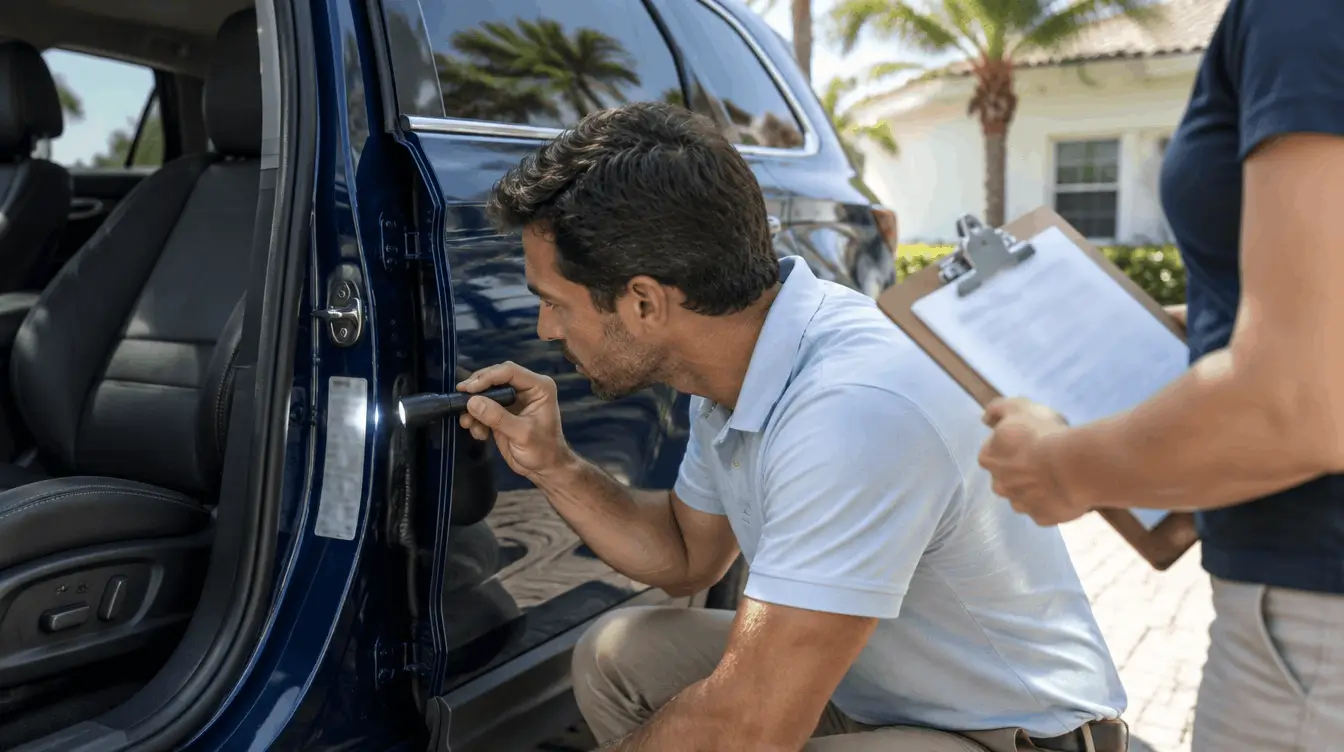
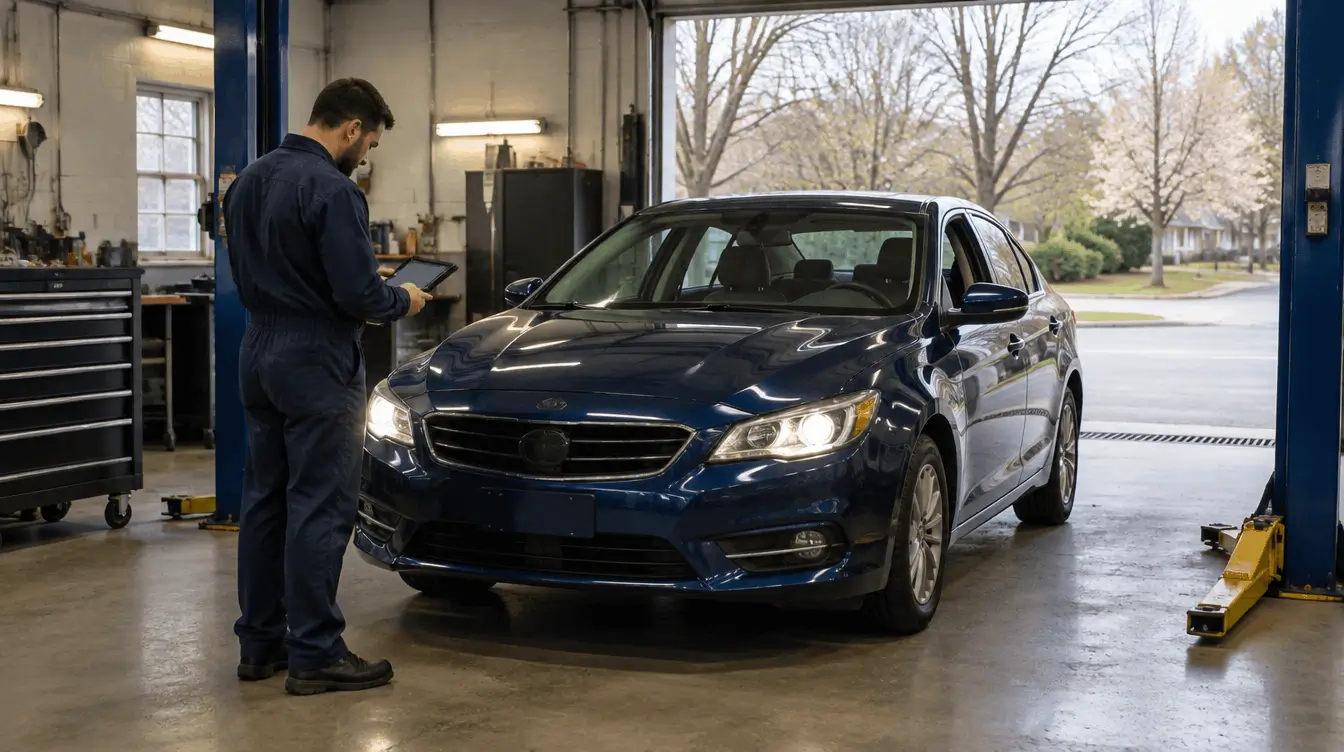
Your protection is the record you build. Walk the car with the driver rather than watching from the porch, have anything marked wrongly corrected, and sign once the form matches the vehicle. Inspect again in good light at delivery, because that second signature states nothing new happened in transit. Our guide to the bill of lading covers what that form must legally contain and what to do if the car arrives damaged. Our guide to what happens after booking covers the sequence before the driver arrives.
When You Do Not Need Any of This
Shipping is not always the right call. Preparing a car you were going to drive anyway is wasted effort.
A move you could cover in an afternoon usually costs less in fuel and time than arranging transport. A car you are collecting from a dealer is often covered by the dealer's own delivery arrangement, so ask before you book a second one. A vehicle that is neither roadworthy nor worth repairing may be better sold where it stands.
There are things Rivalane does not do, and they shape your preparation too. It does not store vehicles for customers, so the delivery address has to be somewhere the car can sit on arrival. It does not move household goods, which is why the cabin has to be empty. It does not drive your car, because it is a broker, and the carrier it matches you with is the company you are trusting with the vehicle.
Price your route with the car shipping calculator when the car is ready and the destination is settled.
Frequently Asked Questions
How do I prepare my car for shipping?
Do I have to empty my car before it ships?
What if a car carrier cannot get down my street?
Who insures my car while it is being transported?