What Is Last-Minute Car Shipping And When Do People Actually Need It?
Last-minute car transport is booking a carrier when the clock is already running. Most customers didn’t expect to be here. The plan changed, and it changed fast.
Maybe the moving truck is scheduled, the apartment notice is shorter than promised, or the buyer wants the car delivered before the weekend. Suddenly you’re arranging logistics instead of choosing add-ons.
The most common reasons fall into three buckets: dealer inventory swaps that need a driver now, auction purchases with 24–72 hour release windows, and personal relocation emergencies. Recent industry surveys estimate that around 25% of domestic auto transport bookings during summer and snowbird corridors are requested inside expedited or urgent timing, showing how frequent short-notice demand has become.
Fast bookings still work when the broker gets clean information early. Rivalane Auto Transport handles urgent dispatch daily, keeping the process documented and insured even under tighter driver schedules.
Pro Tip: If you need last minute car shipping, send full vehicle details, pickup access notes, and your first available date right away.
Why Are Prices Higher When You Book Car Transport Urgent?
Prices climb on short notice for a simple reason: carrier space is already scheduled and mostly full. Trucks don’t wait empty for surprise bookings.
When a broker adds a vehicle late, they often need to offer higher pay so a driver can adjust pickup timing or reroute an existing lane. That payout difference becomes part of the final price.
Next, tighter pickup windows leave almost no time for multi-car consolidation discounts. Then come the corridor costs, like tolls, fuel, and seasonality stacking on top of each other.
That’s why urgent bookings on heavy lanes like Northeast → Florida or West Coast → Texas consistently trend higher than standard reservations.
Now here’s the key reassurance: paying more for timing doesn’t mean cutting safety. It means paying for coordination, not risk.
How Fast Can A Car Be Picked Up On Short-Notice Booking?
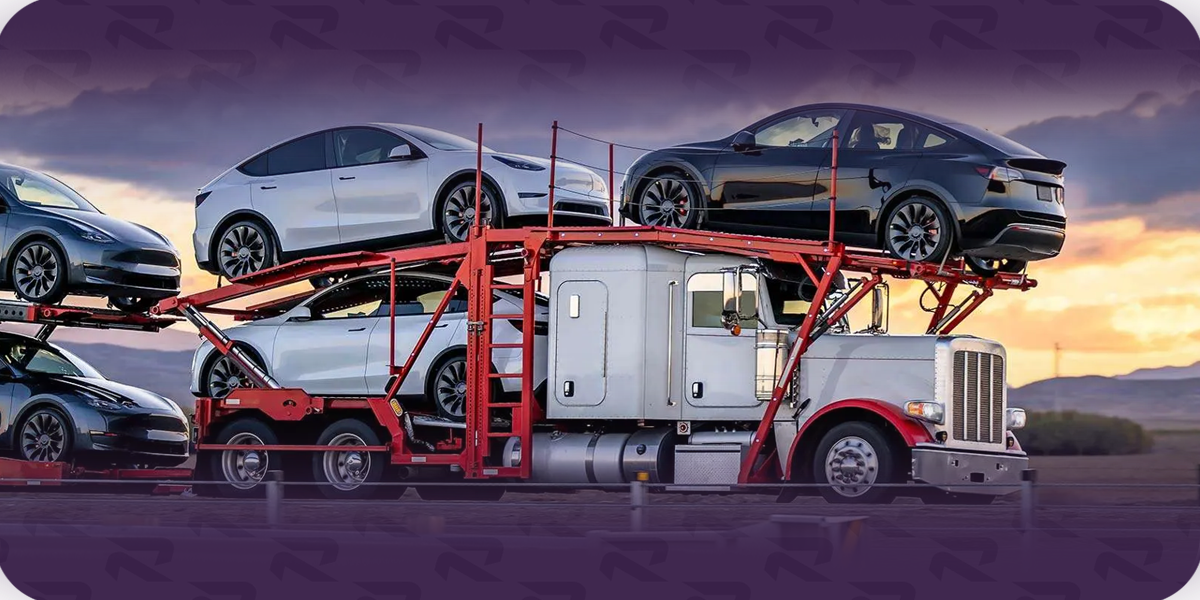
Pickup timing on urgent transport breaks into three realistic ranges: same day, 24–48 hours, or 2–4 days. The difference depends on truck capacity and how many carriers are already running the lane you need. When a slot opens last minute on a busy route, brokers can grab it fast. But when space is scarce, drivers charge more to adjust schedules, and prices rise above standard dispatch rates.
Still, urgent doesn’t mean unsafe. Cars move on the same trailers, with the same tie-down systems and insurance, just with faster coordination. Rivalane works a short-notice dispatch queue daily, calling carriers directly, confirming coverage, and documenting vehicle condition at pickup and delivery.
What Changes When You Book Transport On A Short Deadline?
Short-deadline bookings change two things immediately: you get matched faster, and you have fewer carriers left to choose from. Most trucks are already loaded or scheduled, especially during seasonal spikes.
That’s why the broker focuses on capacity first, then trailer type. On short notice, open carriers are secured more often simply because more of them run daily routes with occasional unfilled slots.
Schedule coordination increases too. A driver may add a stop, reroute slightly, or shift pickup timing to fit the car into a planned lane. That’s the core of expedited auto transport; fast calls, quick measurements, and making schedule changes worth the driver’s time.
Rivalane handles expedited car shipping daily, avoiding double-brokering and paying drivers directly so timing updates actually happen, not just sound possible.
Pro Tip: If your deadline is the main risk, open carrier usually protects it better than waiting for enclosed space on a packed route.
What Should You Expect During The Urgent Shipping Process?
Here are some things you should expect:
Truck Availability And Dispatch Speed
Pickup speed depends on active trucks on your route and open carrier capacity. More trucks = faster matches. Fewer trucks = drivers adjust schedules, which raises prices.
Carrier Type Options (Open Vs. Enclosed)
Enclosed auto transport is possible last minute, but harder to secure and usually costs more. Open carriers run more daily lanes, so they’re matched faster when one slot remains open.
Route Flexibility And Driver Schedules
Routes may shift, stops may be added, and timing can move to fit your vehicle into a working lane. Detours happen when roads close, traffic blocks turns, or seasonal congestion peaks.
Inspection Reports And Insurance Coverage
The car gets inspected, documented, and shipped under real cargo insurance even on urgent orders. High-touch brokers log condition at both ends to prevent disputes.
Pro Tip: Clear pickup access notes, like lot names, street width, or parking instructions, often secure a driver faster than requesting a specific trailer type.
Can Last-Minute Car Shipping Still Be Safe And Reliable?
Yes. Last-minute car shipping can still be safe and reliable when the car is loaded with proper equipment, secured with rated tie-downs, inspected at pickup and delivery, and moved under real cargo insurance. That doesn’t change just because the booking is urgent.
Most damage in transport comes from poor loading setups, not short timelines. Carriers use the same hydraulic ramps, soft straps, wheel nets, and secure decks whether you booked early or late. Brokers who work high-touch lanes also document condition carefully to avoid disputes.
Here’s the one relatable truth said louder: urgent customers worry most about timing, not safety. But safety is controlled on the trailer, not the calendar.
Rivalane moves expedited orders daily, confirming insurance, driver pay, and condition notes at pickup and delivery so the process stays structured, not rushed.
Same day car shipping appears most naturally when timing surprises a schedule, not in general process explanations.
What Mistakes Should You Avoid When Booking Urgent Transport?
Urgent bookings fail fastest when the basics aren’t clean.
These are the most common issues brokers see every week:
- Unclear pickup access for trucks (narrow streets, blocked turns, low cables, small gates)
- Missing vehicle details like weight, length, modifications, or whether it runs
- Assuming delivery will happen on a specific day when no driver confirmed it
- Choosing the lowest price without checking broker reputation or insurance verification
- Leaving out contact updates for the person meeting the driver at pickup
Fixing these early makes dispatch easier. Last minute shipping costs more, but it should still move safely when coordination is done right.
How Do You Prepare Your Car Fast For A Short-Notice Shipment?
Quick prep protects timing and reduces disputes. Start by placing documents and keys together. Keep gas at a quarter tank. Take photos before pickup. Share pickup notes clearly. Remove personal items fast, not perfectly.
Expedited auto transport works smoother when access is easy and details are clean. Rivalane moves expedited shipments daily, keeping condition reports tight and insurance verified at both ends.
Who Should You Call When You Need Last-Minute Car Shipping?
Call a broker who already works with active carrier routes and can secure real truck space quickly. Short notice doesn’t leave room for slow matching systems or unclear expectations. You need someone who can find a driver without long back-and-forth, confirm insurance without guessing, and treat timing like a live constraint, not a promise in a headline.
At Rivalane Auto Transport, urgent requests move through direct carrier calls, fast truck matching, and door-to-door coordination. Price-lock guarantees and verified cargo insurance are standard, not upgrades you fight to add later. Last minute car service fits most naturally when customers need immediate dispatch clarity.
Frequently Asked Questions