The Role of Location in Car Shipping Costs
The cost of shipping a car can vary widely depending on the location. Each place comes with its unique set of challenges and opportunities.
Several location-based factors play a significant role in determining these costs:
- Logistical challenges: Places with limited transport routes or infrastructure may see higher costs.
- Port accessibility: Locations near major ports often enjoy reduced costs due to efficient shipping channels.
- Transportation distance: Longer distances increase fuel consumption and time, thus affecting the overall price.
Remote locations tend to have fewer transport options. This lack of availability can drive up prices significantly. Conversely, urban areas often have more competition among shipping companies, which can lead to better pricing.
In essence, the location dictates the cost structure by influencing the ease or difficulty of shipping logistics. Carriers must consider these factors to provide accurate estimates.
Transportation Distance and Its Impact
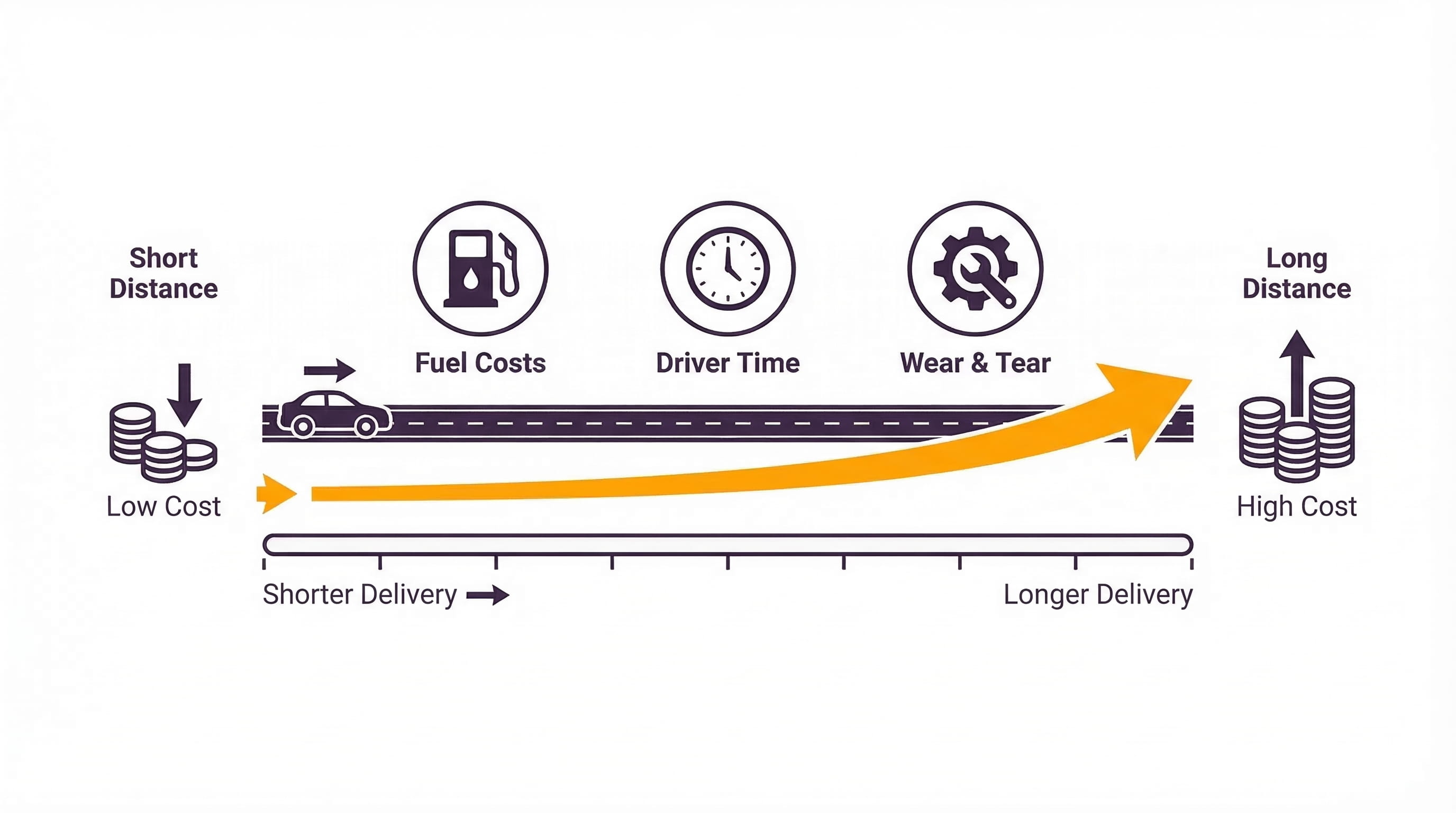
Distance is an important factor affecting car shipping costs. Longer distances typically result in higher expenses due to increased fuel consumption and driving time.
When calculating distance-based costs, several key elements come into play:
- Fuel costs: Longer routes demand more fuel, directly impacting the total cost.
- Driver time: Increased travel time requires more compensation for drivers, raising expenses.
- Wear and tear: Greater distances lead to more vehicle maintenance, affecting shipping rates.
Shipping a vehicle across a vast distance involves careful logistics. Routes are chosen not just for their length but also for efficiency. Carriers may prefer specific highways or roads to avoid traffic and reduce delays.
In addition to route selection, distance impacts the timeline of the shipment. Longer routes might lead to longer delivery windows.
Logistical Challenges by Region
Logistical challenges vary significantly by region, influencing car shipping costs. In remote areas, fewer transport routes often mean higher prices due to limited access.
Regions with difficult terrain, such as mountains or deserts, may require specialized routes. These areas pose unique obstacles that can increase the time and resources needed for a successful transport. Additional challenges arise in regions prone to natural disasters, like hurricanes or earthquakes.
Several logistical factors contribute to regional price variations:
- Terrain and topography: Difficult landscapes require special planning.
- Infrastructure quality: Poor roads or lack of highways can increase costs.
- Regional regulations: Local rules can impact logistics and pricing.
Urban areas may appear to simplify logistics with greater infrastructure but can present their own issues.
Traffic crowding and limited parking complicate transportation, potentially raising costs. Moreover, different regions may have distinct regulatory requirements, affecting paperwork and authorization needs for shipping vehicles.
Port Accessibility and Shipping Routes
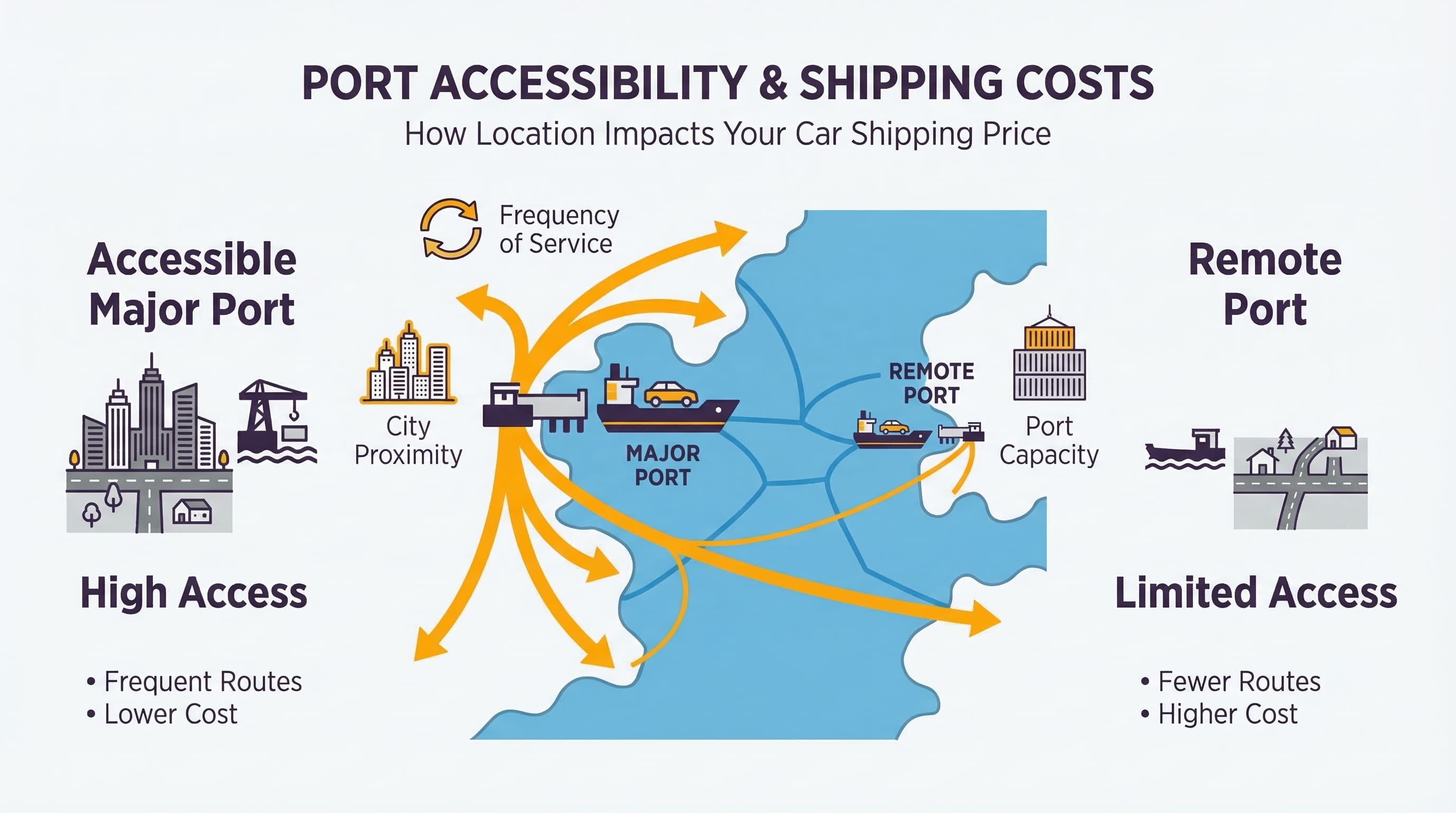
Port accessibility plays a crucial role in car shipping prices, especially for international transport. Ports with high traffic volumes often have more competitive pricing due to regular shipping routes.
Remote ports or those with limited capacity may face higher charges. Fewer shipping options can lead to increased wait times and logistical complexities. Inaccessibility issues often escalate shipping costs significantly as logistics become more challenging.
Key considerations related to port accessibility include:
- Frequency of service: Regular routes can mean lower costs.
- Proximity to major cities: Nearness to urban centers usually reduces costs.
- Operational capacity: Ports with robust infrastructure handle more cargo efficiently.
Efficient port management significantly influences pricing strategies for shipping companies. Some regions invest in expanding port facilities, improving access, and accommodating larger vessels.
Climate Considerations and Seasonal Factors
Climate plays a pivotal role in determining car shipping costs. Adverse weather conditions can disrupt logistics, leading to potential delays. Regions prone to extreme weather may require special routes or equipment, which can raise costs.
For example, shipping during hurricane season or in icy conditions can result in increased expenses. The risks involved demand extra precautions, potentially involving alternate routes that are longer or more difficult.
Key climate and seasonal factors influencing costs include:
- Harsh weather conditions: Snowstorms, hurricanes, and heavy rains can delay transport.
- Seasonal demand fluctuations: Higher demand during summer can increase prices.
- Availability of weather-resistant equipment: Specialized equipment is often costlier.

Urban vs. Rural Shipping Costs
Shipping costs differ significantly between urban and rural areas. Urban locations usually benefit from better logistics due to increased demand and more frequent routes.
In contrast, rural areas face unique challenges. Limited access to major highways and transport hubs often leads to higher costs. Fewer carriers operate in these regions, which results in less competition and reduced pricing flexibility.
Several factors contribute to these differences:
- Demand and frequency: Urban routes have higher demand and frequency.
- Access to infrastructure: Urban areas have better highway and port connectivity.
- Carrier availability: More shipping companies operate in cities.
Rural shipping might incur additional fees due to the added transportation distance and time required to reach less accessible locations. Also, logistical challenges like poor road conditions can further inflate costs.
Additional Factors Influencing Car Shipping Prices
Several elements beyond location contribute to car shipping costs. Seasonal fluctuations play big role, with demand spikes often leading to higher prices. For example, the costs might rise during summer months when relocation activities peak.
Infrastructure quality also impacts expenses. Poor road conditions or limited transport options can increase the challenges and costs of car shipments.
Other considerations include:
- Fuel Prices: Varying regional fuel costs can affect transportation expenses.
- Vehicle Size: Larger vehicles require more space, potentially increasing shipping fees.
- Regulatory Requirements: Different regions have specific regulations impacting logistics.
Conclusion
Learning why location affects car shipping price involves recognizing multiple interconnected factors. From transportation distance to logistical challenges, each element plays a role in shaping the costs.
Port accessibility is crucial for international shipping, often reducing costs when easily reached. Additionally, climate considerations and seasonal changes can introduce variability, leading to price changes throughout the year. Weather patterns may necessitate longer routes or specialized equipment, both impacting the bottom line.
In summary, the complex interplay of these factors demands careful analysis for anyone planning to ship a vehicle. By considering logistical challenges, transportation distance, and other key elements, both businesses and individuals can make informed decisions.
Frequently Asked Questions