Shipping a car across states often sounds harder than it truly is. Questions pile up fast. Cost. Trust. Control. This is where terminal-to-terminal car shipping earns attention. Instead of exact driveway pickup and drop-off, vehicles move between established terminals with set routes and clear schedules, without any chasing trucks or last-minute surprises. This option fits people who want structure without premium prices. It rewards flexibility and favors predictability, especially over long distances. For many drivers, this approach removes noise from the process and replaces it with clarity. If door-to-door feels unnecessary, this may be the smarter path forward.
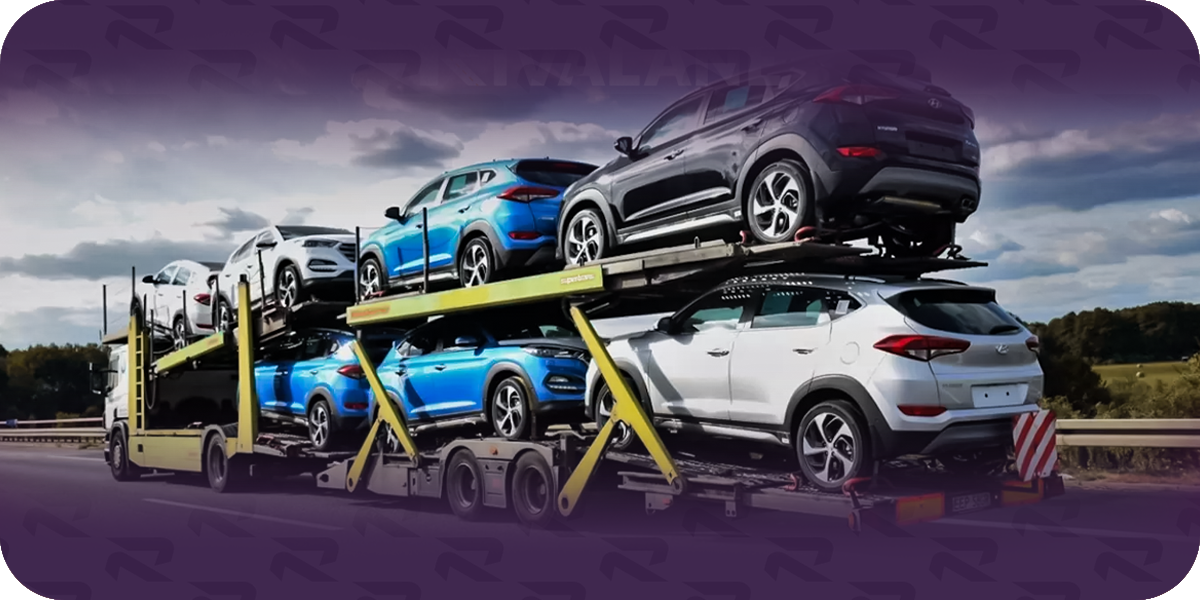
Terminal-to-terminal car shipping moves your vehicle between two designated transport hubs instead of private addresses. You drive the car to a nearby terminal, hand it off, and pick it up at another terminal once it arrives. That structure removes guesswork fast.
Door-to-door shipping depends on access, street rules, and precise coordination. Terminals do not. They operate as controlled hubs built for volume and flow. For many routes, terminal to terminal auto transport delivers clearer pricing and smoother planning without the premium attached to doorstep service.
The process starts with booking the route and choosing terminals that make sense for both ends. On drop-off day, you bring the vehicle to the origin terminal, where staff inspect it and lock in documentation. From there, the carrier moves the car along established transport lanes designed for efficiency, not custom stops.
Once the vehicle reaches the destination terminal, you receive notice and arrange pickup. A final inspection confirms condition. You collect the keys, done.
People choose this option because it gives them leverage over cost and timing. Instead of paying for convenience they do not need, they accept a short drive to save money and reduce complexity. Long-distance routes benefit the most, especially when flexibility stays on the table.
A nearby car shipping terminal often seals the decision. When access feels easy and the process stays predictable, this method turns vehicle transport into a calculated choice rather than a stressful one.
Terminal-to-terminal car shipping makes sense when the benefits line up with how you plan to move your vehicle. On one hand, it offers control and savings. On the other, it asks for involvement. Understanding both sides early prevents second-guessing later.
First, cost plays a major role. Carriers reduce fuel use and avoid custom stops when they operate between fixed hubs. As a result, pricing often stays lower and more stable.
Beyond price, route efficiency matters. Established terminal lanes allow drivers to focus on movement instead of navigation. That focus keeps schedules tighter and communication clearer.
In addition, flexible terminal hours help people who cannot pause their day for a delivery window. Many terminals operate beyond standard hours, which removes pressure on pickup and drop-off days.
Finally, predictable transport lanes bring peace of mind. When a route stays consistent, delays become easier to anticipate and easier to explain.
However, this option does require effort. You must travel to the terminals at both ends, which adds planning outside the shipment itself.
Additionally, rural access remains limited. Terminals tend to cluster near major cities, so distance from a hub can quickly change the equation.
Convenience also shifts. Door-to-door service eliminates involvement. Terminal shipping keeps you engaged. For some, that trade-off feels reasonable. For others, it does not.

In most cases, this option costs less because carriers streamline movement and avoid location-specific delays. Fewer variables lead to better route planning, and that efficiency helps keep pricing grounded.
That said, savings do not apply in every situation. Limited terminal access, oversized vehicles, or strict timelines can narrow the gap between terminal and door-to-door pricing. Seasonality matters too. During peak demand, prices rise across the board, even for terminal routes.
Ultimately, flexibility determines value. When schedules stay open and terminals sit within reach, pricing remains more favorable.
Yes, this method remains both safe and dependable when handled by a professional carrier. Terminals follow structured intake procedures that document vehicle condition before transport and again at pickup. That documentation protects expectations.
Insurance coverage applies throughout transit, just as it does with other professional shipping options. Moreover, accountability stays clear because responsibility passes through controlled handoffs rather than informal driveway exchanges.
When you ship a car terminal to terminal, the process relies on organization and planning. For many drivers, that structure replaces uncertainty with confidence.
Yes, this option can be the right fit if your priorities line up with how the process works. Location comes first. Living near a terminal makes everything easier, faster, and more cost-effective. Distance matters too. Longer routes usually deliver more value, especially when flexibility stays on your side.
Timing plays a role. Open pickup and delivery windows reduce pressure and unlock better pricing. Priorities matter just as much. If you value structure over doorstep convenience and prefer planning over guesswork, this method deserves attention. For many drivers, the best terminal to terminal car shipping choice comes down to control, not shortcuts.
Terminal-based shipping works best when expectations stay clear and decisions stay practical. It favors people who plan ahead, stayoveersi flexible, and understand where they want to save. When those pieces align, the process feels efficient instead of restrictive.
Not every move calls for door-to-door service. Sometimes, a defined route and a controlled handoff deliver exactly what you need. If this approach sounds like the right match, you can contact us and request a quote from Rivalane.