Key Differences in Shipping RVs, Motorcycles, and Boats
We highlighted 3 key differences:
1. Size and Weight Considerations
RVs and boats are often significantly larger and heavier than standard vehicles, presenting unique logistical challenges. These oversized vehicles require specialized equipment such as flatbed trailers or heavy-duty transport rigs to handle their weight and dimensions; factors every owner should understand when planning how to ship an RV or trailer.
Additionally, precise planning is needed to navigate routes that accommodate their size, including avoiding narrow roads, low bridges, and weight-restricted areas.
Motorcycles, in contrast, are lightweight and compact, making them easier to transport. They can often be shipped using standard car carriers or enclosed transport options, which provide added protection against weather and road debris.
2. Transport Methods
Each vehicle type requires a specific transport method tailored to its needs:
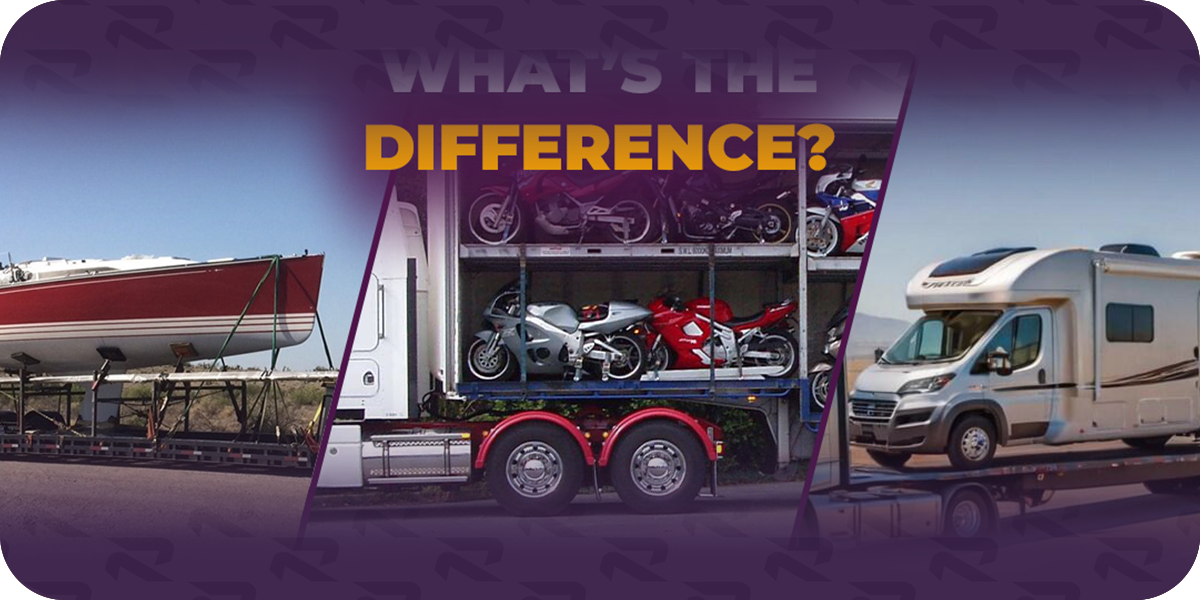
- RVs: Due to their size, RVs are typically transported using flatbed trailers or driven by professional drivers directly to their destination. This approach ensures their structural integrity and minimizes the risk of damage.
- Motorcycles: These are often shipped in enclosed carriers to protect against environmental elements and potential damage from road debris.
- Boats: Boats require specialized hydraulic trailers or cradles to keep them stable and secure during transit, especially for longer journeys.
3. Addressing Pickup and Delivery Challenges
One of the most significant hurdles in shipping RVs, motorcycles, and boats is coordinating pickup and delivery at remote or hard-to-reach locations.
Marinas, campsites, and rural areas often present logistical difficulties, such as limited access or challenging terrain.
Our extensive network and experience in navigating these challenges ensure smooth pickups and deliveries, no matter the location.
Guaranteeing Safety with Comprehensive Insurance
RVs, motorcycles, and boats are worth a lot, so protection during transport matters. Shipping RVs, motorcycles and boats safely means using cargo insurance that actually covers loading, transit, and delivery risks. A solid policy steps in if something unexpected happens on the road, at pickup, or while unloading.
On top of that, good inspections make everything clearer. First, a check at pickup records the vehicle’s condition in detail. Then, another review at delivery confirms it matches the report.
This way, everyone stays accountable, and disputes become far less likely. Also, when the route needs permits or special trailers, insurance should reflect those needs too, not just the distance.
Cost Factors in Shipping Specialty Vehicles
Shipping costs for RVs, motorcycles, and boats vary based on several factors:
- Size and Weight: Larger and heavier vehicles require more resources, leading to higher costs.
- Distance and Delivery Locations: Long-distance shipping and remote drop-off points typically incur additional fees.
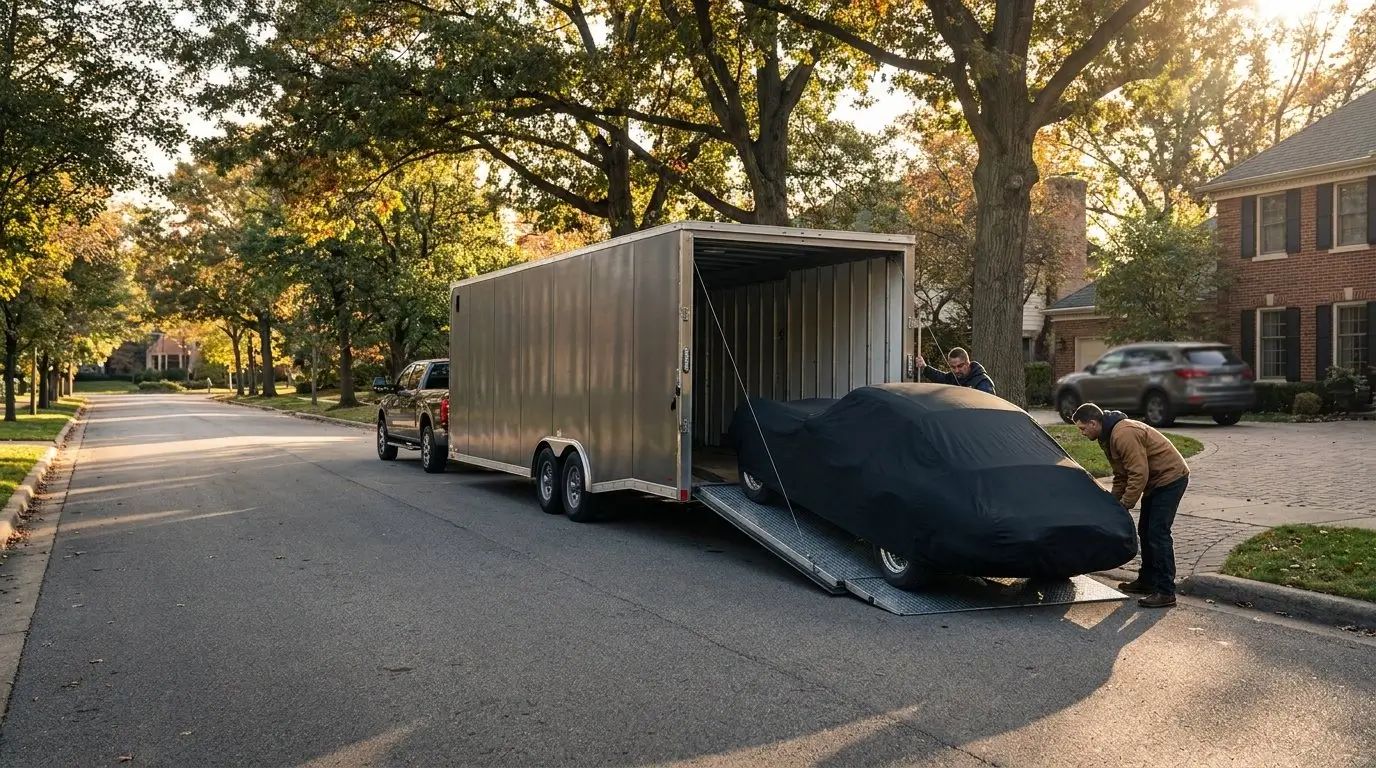
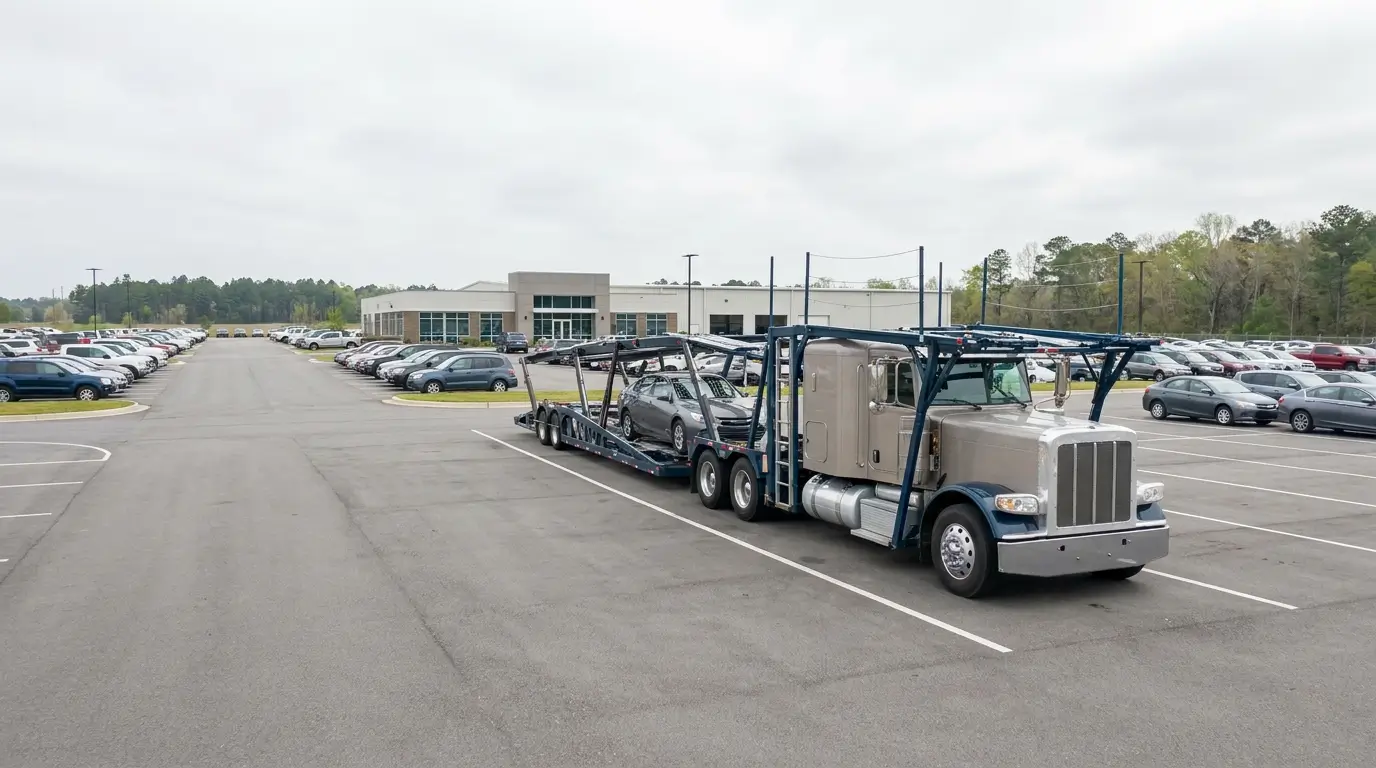
- Transport Type: While open transport is a cost-effective option for some motorcycles, enclosed transport is often preferred for added protection, especially for valuable boats and bikes.
How Rivalane Simplifies the Shipping of RVs Motorcycles and Boats
Rivalane’s streamlined shipping process ensures a hassle-free experience for every customer. Here’s how it works:
- Getting a Quote: Use Rivalane’s car shipping calculator to receive a detailed and accurate quote.
- Vehicle Preparation: Customers are guided through preparing their vehicle, including removing personal items, cleaning, and documenting its condition.
- Booking and Transport: Rivalane schedules pickups and deliveries at convenient times, tailoring transport solutions to each vehicle’s needs.
- Tracking and Updates: Real-time updates keep customers informed throughout the journey, ensuring transparency and reliability.
Final Thoughts
Shipping oversized or specialty vehicles always begins with real measurements, the right trailer, permits if the route demands them, solid pickup access details, and proper insurance. RVs usually move on heavier trailers or with dedicated drivers. Motorcycles often ship enclosed during hot or storm-heavy months. Boats need equipment that keeps them stable over long miles.
Timing and pricing shift based on carrier traffic and road access, especially on cross-country routes. When the quote matches the vehicle and calendar, and the route is shared before pickup, the process becomes easier to manage. If you want clear plans before booking, contact Rivalane Auto Transport for a quote.
Frequently Asked Questions