Delivery windows shape the shipment. They affect pricing, planning, and how smoothly pickup and drop-off happen. Many customers feel stressed when timing sounds vague, so clear ranges matter. First, a broker should explain the window before dispatch. Then, the schedule should reflect carrier movement, traffic, and access limits. After that, updates should stay steady, so you never chase answers from new contacts. Tight promises without context can create delays, fees, or missed handoffs. Finally, planning protects your time and your vehicle. Why delivery windows matter in auto shipping becomes obvious when a truck meets a closed street or locked gate.

Delivery windows are one of the strongest tools a broker uses to plan routes and assign carriers without delays. They help companies map roads, group pickups, and use trailer space efficiently. When a plan is built well, the shipment feels easy from the outside.
For customers, a clear delivery window brings structure and predictability. It lets you plan your time without sudden calls that change locations or stretch waiting hours. It gives you room to breathe. And honestly? That calm is priceless when the car means something to you.
Flexibility also saves money because it saves carrier miles. A wider window reduces fuel waste and scheduling pressure. When timing is checked early and updates stay steady, the entire move becomes simpler to track, easier to plan, and far less stressful.
Delivery windows influence price more than most first-time shippers expect. When a schedule is locked to a narrow hour, carriers reshuffle trucks, drivers, and route order, and that pressure usually pushes costs up. Time pressure adds miles, fuel, and idle gaps; and that becomes expensive fast.
So, a smarter move starts with flexibility. A wider window helps trucks fill space naturally, stack pickups without route jumps, and stay on the road instead of waiting between loads. Efficient routes like Texas-Florida cost less because they waste less.
Rivalane keeps quotes competitive by checking carrier space early and assigning trucks based on active route flow. After that, car shipping calculators let you compare pricing across different windows before committing. When quotes reflect real truck capacity, decisions feel calmer, timelines clearer, and pricing surprises rare.
Coordinating pickup and delivery can feel like a puzzle, especially during peak seasons when trucks fill quickly and timing tightens. First, a clear delivery window gives structure to the plan. Then, it helps transporters align routes with safe loading points instead of pushing trucks into stressful, low-access streets.
After that, for remote or high-demand areas, defined windows remove uncertainty early. Also, fewer unknowns mean fewer waiting days that feel endless. And next, when timing is realistic, you can almost hear the relief on the other end of the call. Real planning removes rushed pressure.
Later, enclosed transport schedules depend on pickup order, clearance checks, and equipment timing working together. Finally, flexible windows reduce loading risk and keep handoffs predictable. So, steady updates keep owners informed without scrambling for answers.
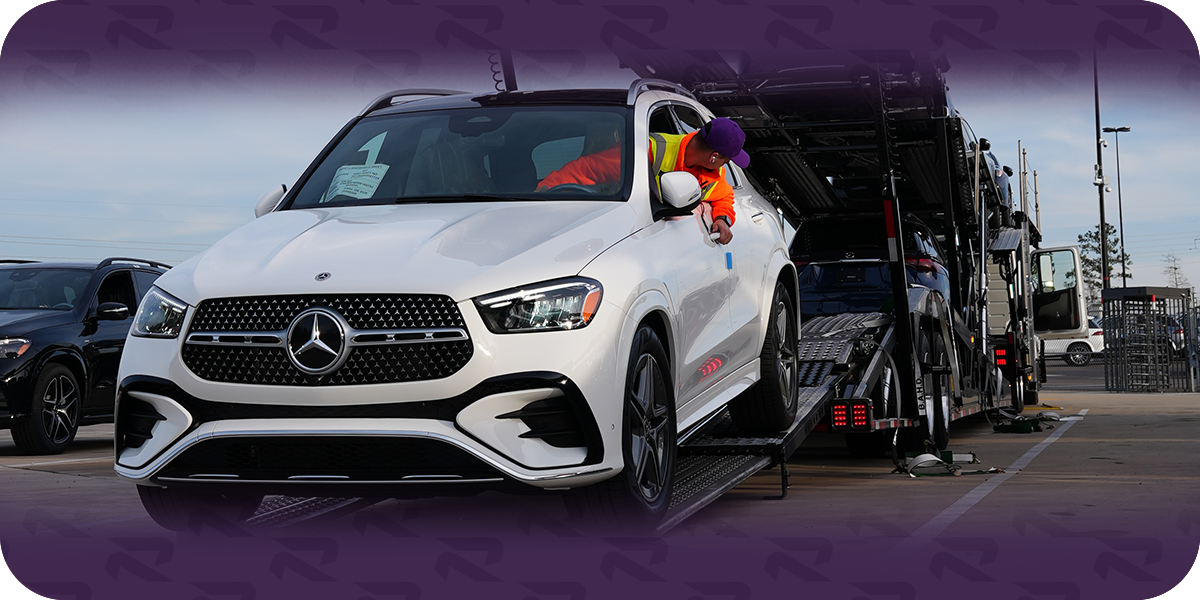
Delivery windows matter even more when the vehicle isn’t standard. Enclosed transport has more moving parts: pickup order, clearance checks, and the right loading equipment all have to line up.
So first, the schedule is built around truck access and loading sequence. Then, carriers plan trailer space carefully because lifts, straps, and low-clearance gear take time and space to set up properly. After that, the driver loads the car with equipment that protects bumpers, undercarriage, and custom parts.
Also, flexibility removes rushed pressure for both sides. It reduces loading risk. It makes hand-offs predictable. And next, regular updates keep owners informed without turning the process into guesswork.
Finally, when the window is realistic and checked early, the car moves safely, loads safely, and arrives without forced timeline panic. Clarity protects the car more than speed pressure ever will.
Shipping a car you’ve invested time in will always come with a moment of hesitation.
So first, delivery windows are set before anything moves. Carriers build routes around loading order, trailer space, and the time needed to load without rushing.
Then, cargo insurance becomes the safety anchor. A policy that protects the car’s full declared value is the moment most owners remember. That’s the point where you stop scanning for escape routes in your head and start picturing your car actually arriving intact.
Finally, when timing and coverage are confirmed before dispatch, the whole move feels intentional, steady, and clear.
Delivery windows quietly decide how smooth a shipment feels. When the pickup and drop-off range is explained before dispatch, you avoid confusion, wasted miles, and rushed loading.
Car shipping is easier to handle when the timeline matches how carriers actually operate. A wider window often reduces cost because carriers fill space faster and drive fewer empty miles.
Insurance that protects the declared value gives owners confidence, and written terms keep responsibility clear. Updates that arrive regularly help you plan your time without scrambling for answers from new contacts mid-shipment.
Finally, the best shipments feel organized, predictable, and stress-light.