Can You Track Your Vehicle During Auto Shipping?
Yes, you can. Auto transport tracking has become a standard part of professional car shipping because customers want to stay informed once their vehicle is on the move. Most shipping companies now offer different ways to check progress depending on the carrier and the tools they use.
Here are the most common tracking methods you’ll come across:
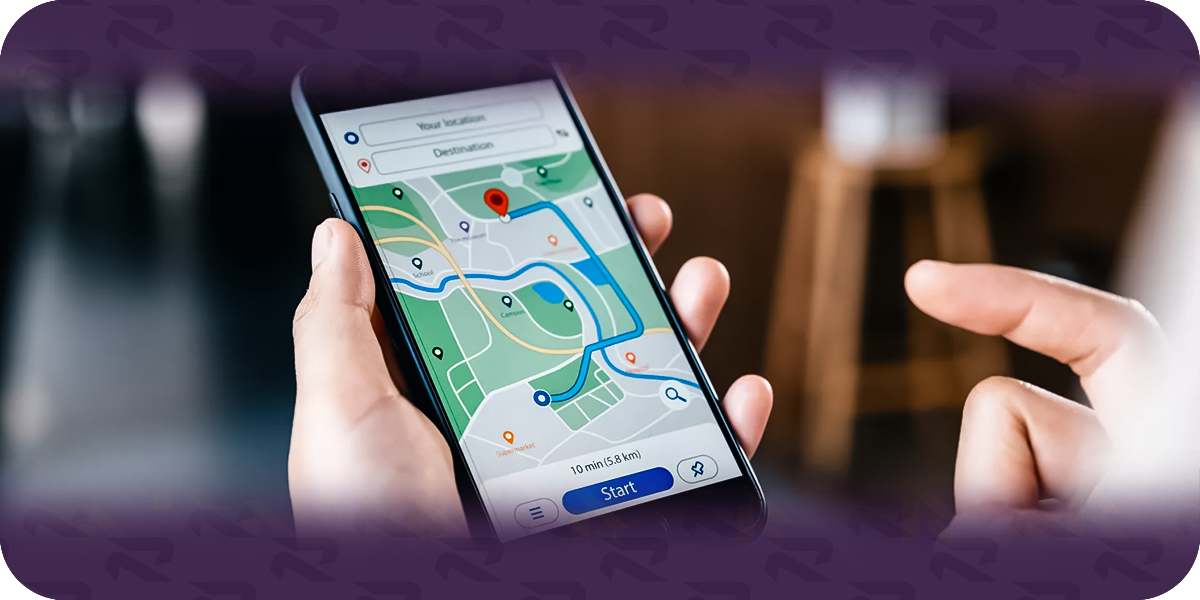
- Real-time GPS tracking shows your vehicle’s location as it travels, using systems installed on the carrier’s truck.
- Dispatcher or driver updates provide location details by phone or text at key points along the route.
- Broker-assisted tracking systems combine these updates with internal logistics software for a complete view of the shipment.
When Tracking Is Available
Live tracking is available on most open and enclosed carriers that use GPS-equipped trucks. Smaller independent carriers may not have full digital tracking but still share updates directly through dispatch or customer service.
Either way, you’ll always know where your car stands in the transport process.
How Does Vehicle Tracking Work in Auto Transport?
Vehicle tracking works through GPS devices installed on carrier trucks. These systems send live location data to the carrier’s dispatch software, which keeps track of every vehicle in transit.
The information is then shared with brokers and customers so you can see where your car is at any point along the route.
At Rivalane, this data connects directly to our internal dispatch system. Our team monitors each shipment in real time. Tracking details are shared through email, text messages or direct communication with customer support. It depends on whichever method you prefer more.
Rivalane’s Tracking Technology
Our tracking is fully functional and built for clarity. Every shipment is visible to both customer support and dispatch, which is a feature that guarantees continuous updates.
We’re also developing a mobile app with secure code and PIN access. We think that it will make it even easier for customers to check their vehicle’s location once it’s released.
Pro Tip: We combine live tracking with direct communication, so you always have a clear view of your vehicle’s transit from pickup to delivery. You can contact us anytime.
What Are the Common Ways to Track Your Vehicle During Shipping?
These are the most common forms of car shipping tracking used today:
GPS Tracking Systems
Most commercial carriers install GPS devices that send live location data to their dispatch centers. This gives both the carrier and the broker a precise record of where each vehicle is at any given time.
Online Portals and Mobile Access
Brokers like us at Rivalane provide online tracking access where customers can view pickup details, transit status, and delivery estimates through a secure system. This option keeps all shipment information in one convenient place.
Manual and Phone Updates
Smaller carriers that do not use GPS systems rely on regular updates from the driver or dispatch team. Customers receive these updates by phone or text and by that the process remains personal and straightforward.
Email and SMS Notifications
Automated messages arrive at key moments, when the vehicle is picked up, in transit and delivered. These updates help customers plan around the shipment schedule without needing to request information.
Can You Track a Car by VIN or License Plate Number?
A vehicle’s VIN or license plate identifies it but doesn’t work as a tracking tool. These numbers confirm shipment details such as pickup, delivery, and insurance records, but they don’t show live location data.
Some dealership or broker systems use VIN-based lookups to verify when a shipment is scheduled or delivered, yet they don’t connect to GPS.
If you want to know how to track car shipment in real time, direct communication with your broker will always provide more accurate updates and more care.
What Type of Information Will Tracking Show?
When you track your vehicle during auto shipping, the updates you receive depend on the carrier’s system and the technology used.
Most tracking systems share the vehicle’s location, estimated delivery time, driver details, and status changes such as “in transit” or “arrived.”
Real-time GPS systems update automatically, while manual check-ins from dispatch or drivers may arrive at set intervals.
How Accurate Is Auto Shipping Tracking?
Auto shipping tracking is generally reliable, though accuracy can vary depending on the carrier’s technology and current location.
Most carriers use GPS systems that send location data as the truck moves along its route. When the signal weakens (often in rural or mountainous areas) the updates may pause until the truck returns to an area with stronger coverage.
Temporary gaps can also happen during driver rest stops or route changes. Once the signal reconnects, the GPS data syncs automatically, and location updates resume as normal.
Professional transport companies use dedicated dispatch software that confirms each update before it’s shared.
At Rivalane, both dispatch and customer support teams monitor every shipment directly through our system.