The Role of Dispatch in Auto Transport
Dispatch in auto transport is fundamental for coordinating the movement of vehicles. It involves scheduling, communication, and problem-solving to ensure timely deliveries. The dispatcher acts as a liaison between carriers and clients, streamlining interactions.
Effective dispatching relies on understanding customer needs and managing expectations. Dispatchers must adapt quickly to changes and solve issues promptly. They utilize fleet management software to oversee multiple vehicles and routes.
Key responsibilities of a dispatcher are assigning carriers and planning routes, monitoring shipments via real-time tracking and communicating with drivers and customers.
Key Components of the Dispatch Process
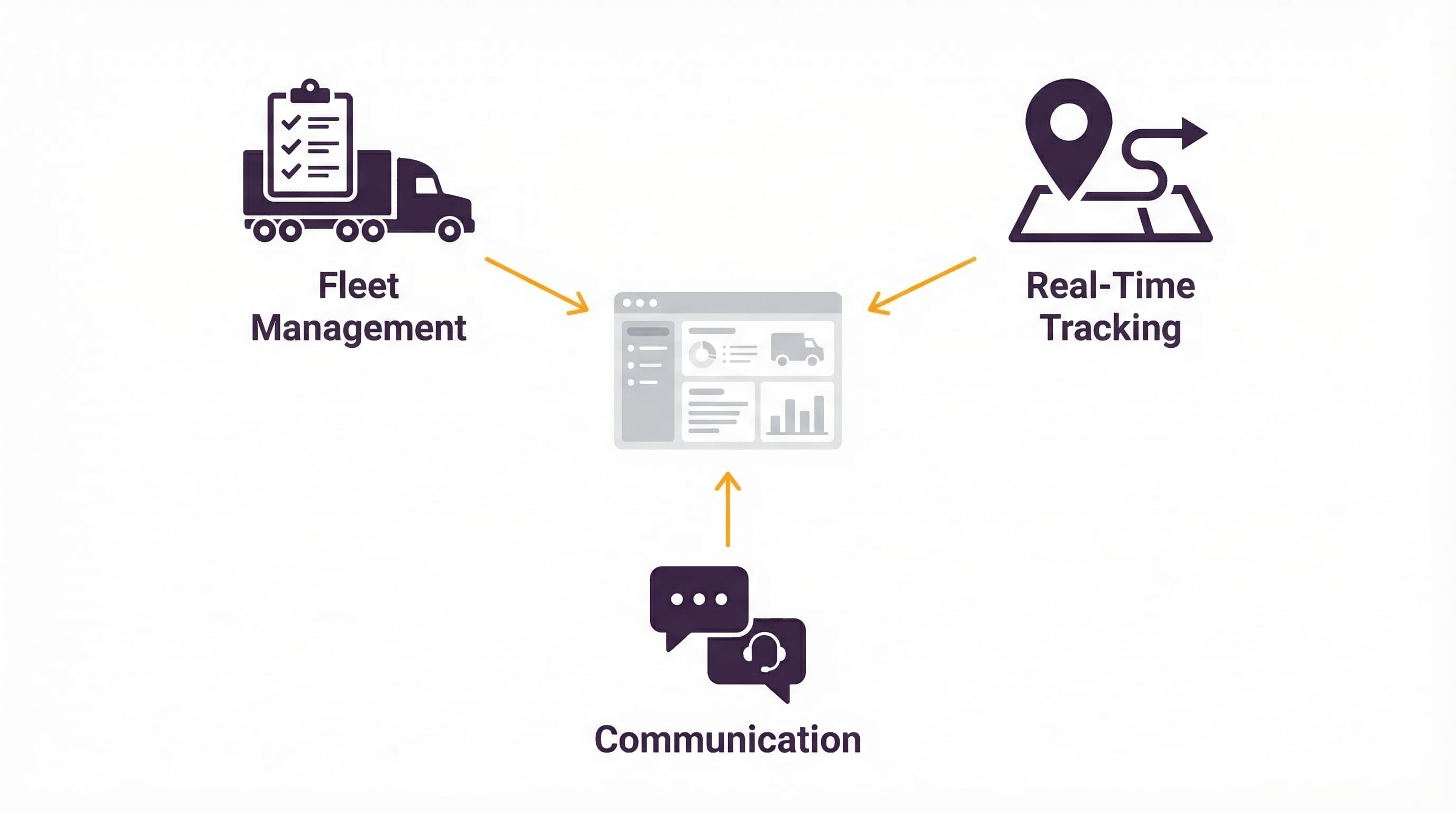
The dispatch process comprises several crucial components that streamline operations. Central among these is technology, which enhances efficiency and accuracy. Automating tasks reduces errors and saves time.
Here are the key components of the dispatch process:
- Fleet management software for vehicle oversight
- Shipment tracking software for real-time updates
- Communication tools for effective coordination
Fleet Management Software
Fleet management software is vital for optimizing vehicle and driver operations. It aids in tracking assets, maintaining schedules, and reducing downtime. The software provides critical insights into fleet performance.
Key benefits of fleet management software include:
- Real-time vehicle tracking and status updates
- Maintenance alerts and vehicle diagnostics
- Route planning and delivery optimization
Shipment Tracking Software
Shipment tracking software revolutionizes how companies monitor their cargo. It provides real-time visibility, ensuring transparency throughout the transport process. Dispatchers and clients gain peace of mind with continuous updates.
Important advantages of shipment tracking software are:
- Real-time location tracking of shipments
- Automatic notifications and alerts
- Detailed reports on delivery status
Clients appreciate the transparency, leading to heightened trust. By employing shipment tracking software, car shipping companies can improve customer service, improve operational efficiency, and maintain a competitive edge in the market.
Importance of Automotive Logistics
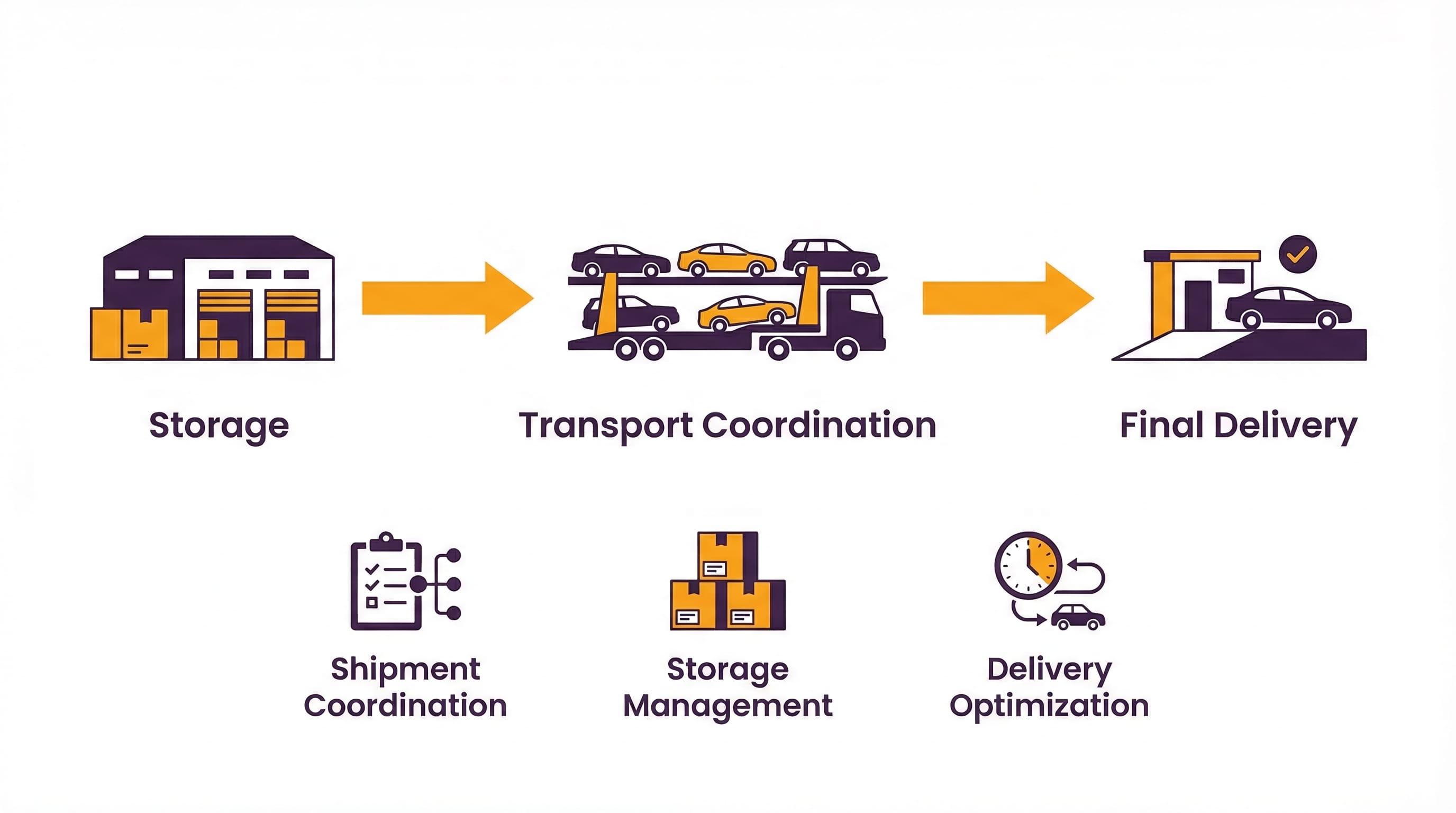
Automotive logistics plays a crucial role in guaranteeing the seamless movement of vehicles from manufacturers to customers. It encompasses the entire transportation and storage process, which demands precision and coordination. The efficiency of logistics operations directly impacts delivery times and customer satisfaction.
Key aspects of automotive logistics include:
- Coordinating vehicle shipments
- Managing storage facilities
- Optimizing delivery schedules
Effective automotive logistics leads to reduced transit times and lowered operational costs. By prioritizing logistics, companies increase their ability to meet customer demands quickly and reliably.
Steps in the Dispatch Process
The auto transport dispatch process involves a sequence of essential steps. Each step plays a vital role in ensuring that vehicles reach their destination efficiently and safely.
Key steps include:
- Booking and order confirmation
- Carrier assignment
- Delivery route optimization
- Vehicle pickup coordination
- Real-time tracking of shipments
Step 1: Booking and Order Confirmation
The dispatch process begins with booking and order confirmation. Customers initiate this by placing an order for vehicle transport. Guaranteeing all details are accurate is critical at this stage.
Essential tasks include:
- Gathering vehicle details
- Confirming pickup and delivery locations
- Verifying schedule availability
After confirming the order, logistics teams coordinate with all stakeholders. This ensures a smooth transition to the next stage of the process.
Step 2: Carrier Assignment
Once the order is confirmed, carriers are assigned to transport vehicles. This involves selecting the most suitable carrier based on specific criteria.
Key considerations include:
- Carrier availability
- Type of vehicle transportation needed
- Specific customer requirements
Step 3: Delivery Route Optimization
Optimizing delivery routes helps in reducing travel time and fuel consumption. It involves analyzing various routes to determine the most efficient path.
Critical factors include:
- Current traffic conditions
- Distance between pick-up and drop-off locations
- Road and weather conditions
Step 4: Vehicle Pickup Coordination
Coordinating vehicle pickup is a key step that requires precision. Dispatchers arrange for the vehicle to be picked up from the designated location.
Important elements include:
- Scheduling pickup at a convenient time
- Communicating with the customer
- Ensuring all documentation is in order
Step 5: Real-Time Tracking of Shipments
Real-time tracking is vital in monitoring the status and location of shipments. It provides up-to-date information to both dispatchers and customers.
Key features include:
- GPS tracking of carriers
- Alerts for any deviations
- Transparency in communication
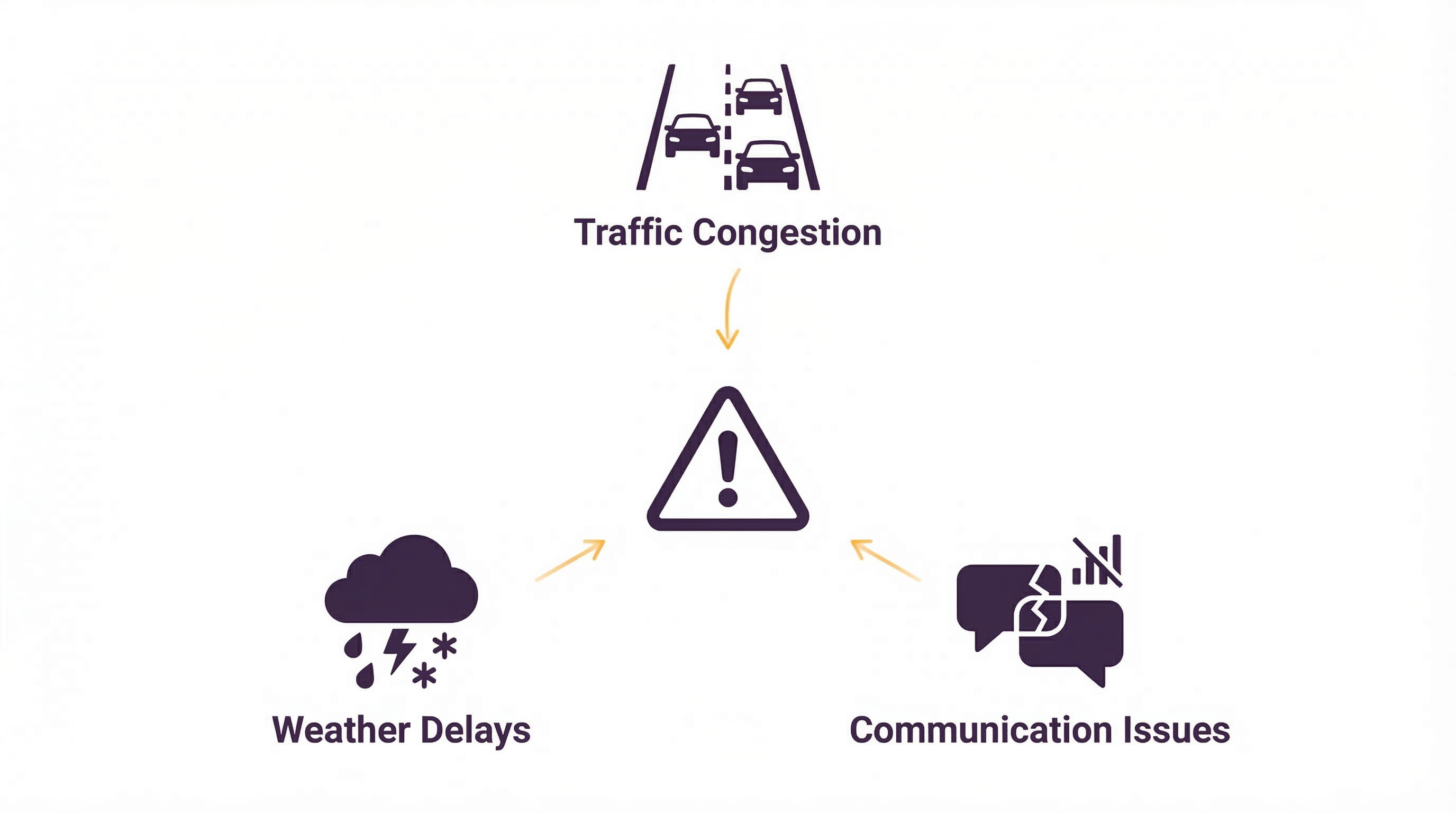
Challenges in the Dispatch Process
The dispatch process is not without its challenges. Logistics teams often face obstacles that can disrupt the smooth flow of operations. These challenges require quick thinking and effective solutions to overcome.
Common challenges include:
- Delays due to traffic congestion
- Sudden changes in weather conditions
- Communication breakdowns with carriers
Best Practices for Efficient Dispatch
Efficiency in the dispatch process can significantly impact overall operations. Implementing best practices ensures smooth and timely deliveries. Companies can achieve better results through strategic planning and execution.
Key practices include:
- Regular training for dispatch staff
- Continuous monitoring of shipment progress
- Proactive issue resolution
Utilizing Technology Effectively
Leveraging technology is vital for modern dispatch operations. It allows for better management and coordination throughout the process. Dispatchers can utilize tools to optimize every aspect of their work.
Essential technologies encompass:
- Real-time tracking systems
- Shipment tracking software
- Fleet management software
Effective Communication with Carriers
Strong communication with carriers is fundamental to efficient dispatch. It ensures that all stakeholders are aligned and informed. Clear communication prevents misunderstandings and potential delays in the process.
Strategies for effective communication include:
- Establishing clear channels of contact
- Regular updates and feedback
- Collaborative problem-solving
Conclusion
The auto transport dispatch process is a critical element of automotive logistics. It requires meticulous planning, effective communication, and the smart use of technology. Understanding each step, from order confirmation to real-time tracking, is essential for success.
Embracing best practices and leveraging modern tools can enhance efficiency. It ensures timely, safe deliveries and supports business growth. By focusing on these elements, companies can improve their operations and customer satisfaction, securing a competitive edge in the industry.
Frequently Asked Questions