Why Do Auto Shipping Scams Happen So Often?
Most people look for a car shipping company when they're already handling something big, like a relocation or a tight deadline. That urgency creates a perfect opening for scammers. They know you want a fast answer, a clear price, and a voice that sounds confident on the phone. They use that moment to pull you in.
Because anyone can present themselves online as a "transport specialist", the line between real and fake gets blurry very quickly. A clean website and a borrowed logo can make almost anyone look legitimate at first glance. Once they have your attention, they slide in with a price that feels suspiciously low... but still tempting enough to consider.
Then comes the pressure.
A "limited spot", a "driver already nearby", or a "price that expires in an hour". None of these are meant to help you. They're designed to get you to act before you think.
Online quote requests amplify the problem. You fill out one form, and suddenly you're hit with a wave of calls, emails, and texts. Some are trustworthy. Many are not. Scammers depend on the noise. They hide inside it, hoping you'll grab the cheapest number and hope for the best.
People don't get scammed because they're careless.
They get scammed because the system makes it far too easy for the wrong companies to blend in. With a licensed company and an insured carrier, though, shipping a car is safe, and our guide to whether it is safe to ship a car separates the real risks from the myths.
What Are the Red Flags That Show Up Before You Even Book?
Most car shipping scams reveal themselves long before a truck ever shows up. The first warning sign is the instant price drop. A company gives you one quote, then suddenly offers something dramatically cheaper. That isn’t a discount. It’s bait.
This is exactly why companies like Rivalane keep pricing consistent and transparent, even when competitors try to lure customers with unrealistic numbers.
Licensing is another big one. If a company avoids sharing its DOT or MC number, or if the information looks incomplete, walk away immediately. Legit carriers don’t hide these details.
Pay attention to communication too. Scammers stay vague, dodge questions, or sound overly polished. Real companies explain things clearly.
And then there’s the classic pressure play.
- “Reserve your spot now.”
- “Driver is already nearby.”
- “Price expires in 20 minutes.”
If someone is pushing you to commit fast, they’re not trying to help you. They’re trying to trap you.

Are Low Quotes a Scam or Just a Good Deal?
A low quote feels exciting at first. It grabs your attention, makes you think you found the perfect deal, and for a moment everything seems simple. But this is exactly where many problems begin. Some companies use very cheap quotes as a hook. They want you to commit quickly, not question anything, and trust that the final price will stay the same. That initial number is only meant to pull you in.
This is the heart of the bait-and-switch model. You agree to the low price, the company tells you a driver is lined up, and you start to relax. Then the phone rings. Suddenly, the driver needs more money. Or a route changed. Or fuel costs jumped. The story can be anything, but the outcome is always the same. The price climbs, and now you feel stuck.
A real, competitive quote looks different. It sits in the same range as other reputable companies. It might not be the lowest, but it makes sense. If a price drops far below everyone else, something is off. Real carriers do not operate at a loss.
When a number feels too good, pause. That moment of hesitation is usually right.
How to Verify a Legit Auto Transport Company
The following steps remove the guesswork completely and show you who is real and who is not. In our company, this part is simple because everything a customer needs to verify is easy to access, but that is not the case everywhere.
Check the Company’s DOT and MC Numbers
Every legitimate transport company has federal registration. If they cannot provide a Department of Transportation (DOT) or MC number, or the information looks incomplete, that is your signal to step back immediately. Real businesses want you to verify them.
Look for Real Insurance Documentation
A scammer avoids this conversation. A real company does not. Ask for proof of cargo insurance and look for clear coverage details. If the paperwork feels vague, something is wrong.
Confirm Whether They Are a Broker, Carrier, or Marketplace
This part matters. Each operates differently, and scammers often hide behind titles they never earned. A quick question like "Who actually moves my vehicle?" tells you more than any sales pitch.
Why Upfront Payments Are a Common Trap
Scammers push for upfront payments because the moment you send money, they have everything and you have nothing.
It is the quickest way for them to walk away without delivering a single thing they promised. Some vanish the next day and some stay just long enough to change the terms and twist the situation until you feel trapped.
Legitimate transport companies do not work like that. Real businesses take a small deposit or wait until the vehicle is actually picked up. They charge when the service is real, not when the conversation starts.
So here is the rule you never ignore:
If someone demands full payment before a driver is assigned, stop right there. That kind of setup exists for one purpose only, and it is not to protect you.
A good company earns your trust gradually. A scammer wants your money immediately. The difference is obvious once you look for it.
What Should a Legitimate Auto Shipping Process Actually Look Like?
A real shipping process feels steady and organized. Nothing jumps out as rushed or suspicious, and you always know what is happening next. It starts with a clear quote that explains the price and why it looks the way it does. Good companies do not hide behind vague numbers.
From there, the team moves into dispatch, where they assign a verified driver. You should receive real details, not guesses. A legitimate company tells you who is coming, how to reach them, and what the plan looks like if anything shifts.
Next is the pickup window, which should sound realistic. Honest companies explain timing because weather, traffic, and driver availability genuinely matter. They do not pretend otherwise.
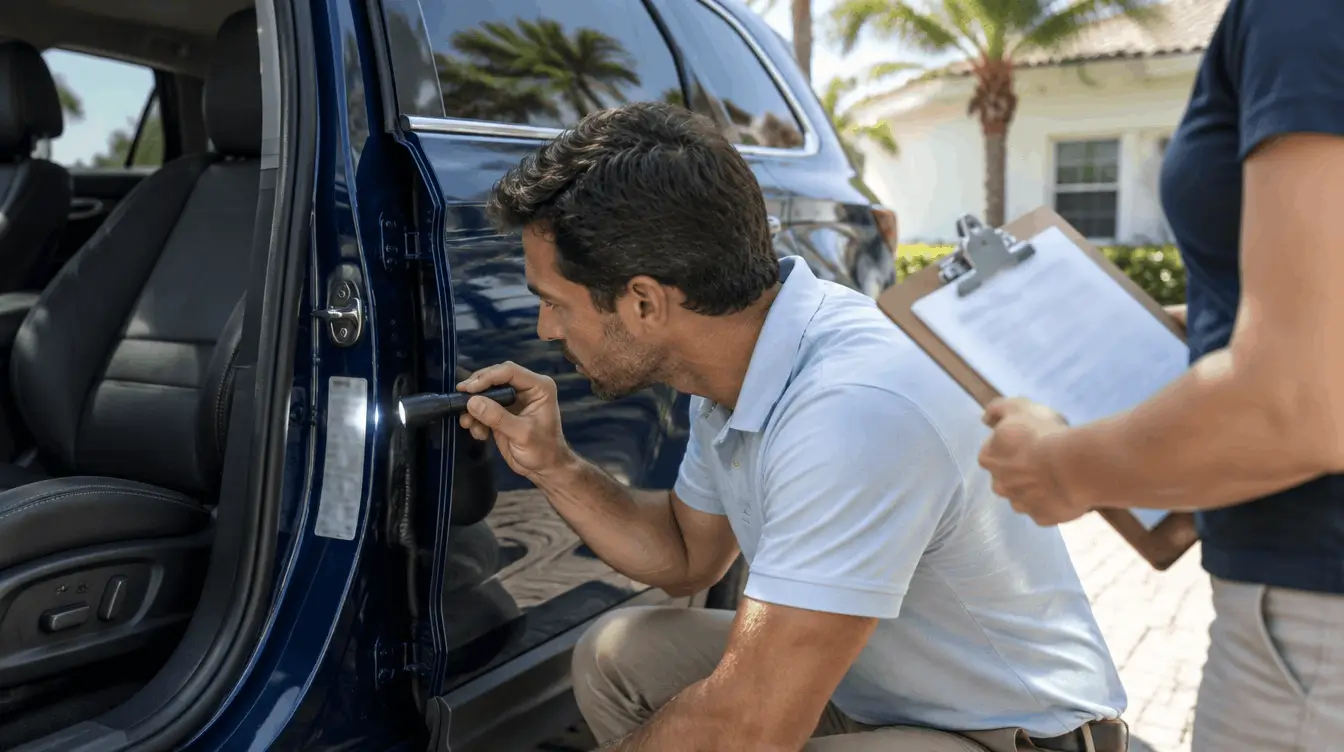
When the driver arrives, the inspection begins. Every mark and detail goes onto the Bill of Lading, protecting both sides. This step is essential. Skipping it is a sign something is off.
Delivery wraps everything up with the same clarity. The driver reaches out, meets you, and completes a final walkthrough. This is exactly how we handle the process in our company, because a clear structure helps customers feel in control from the first conversation to the final handoff. Simple, steady, and transparent. That is what real service looks like.
How to Protect Yourself from Scams During Seasonal Demand or Weather Disruptions
Seasonal pressure makes everything louder. Delays, storms, crowded routes. Scammers jump into that noise because they know people want quick answers. They offer perfect promises at the exact moment customers feel uncertain. That alone should raise a brow.
To protect yourself, slow things down. Compare what the company says with actual conditions. A real carrier will talk plainly about delays or adjusted timelines. They do not hide behind excuses or rush you into decisions.
Ask direct questions about timing, pricing, or weather concerns. Pay attention to how they respond. Clear answers signal professionalism. Evasive answers signal trouble.
And when someone tries to push you into paying or deciding right away, step back. Scammers rely on urgency. Real companies rely on honesty.
Final Advice
Most people feel a red flag before they fully understand it. Do not ignore that feeling. Instinct often recognizes problems long before the mind catches up.
Look closely at the details. The licensing, the communication style, the quote, the response time, everything. Every part of the interaction tells you something about who you are dealing with. If the story does not feel consistent, it is not consistent.
Choosing a verified company removes most of the stress from the process. Professionals show proof, answer clearly, and earn your trust through their actions, not their promises.
You are handing over a vehicle that matters to you. Choose the people who treat that responsibility seriously.
When you're ready to move your vehicle with a team you can trust, contact us and let us handle the process with clarity and care.