Why Choosing the Right Car Shipping Company Matters More Than You Think
Once your car is scheduled for pickup, things start to feel different. First comes the waiting, then the questions. After that, the money is already committed and the clock is moving whether you feel ready or not. That is exactly why learning how to choose a car shipping company properly matters more than most people expect.
When communication is steady, everything feels manageable. When it is not, small doubts turn into real anxiety fast. Add long-distance travel, tight delivery windows, and a vehicle you rely on every day, and the pressure becomes very real. One solid decision upfront can protect your time, your budget, and your nerves later. The wrong one does the opposite.
What Type of Car Shipping Service Do You Actually Need?
Before looking at quotes or calling anyone, it helps to pause and get clear on one thing first. What kind of service fits your situation right now?
That single answer shapes the price, the timing, and the level of protection your car will receive.
For some people, speed comes first. For others, the budget sets the limits. Sometimes it is simply about reducing risk on a long haul.
Once your priority is clear, every other decision suddenly has a direction and the process feels far less chaotic.
Open vs Enclosed Transport
Most vehicles ship using open transport. It is widely available, cost-friendly, and efficient for everyday cars. This is also why many people begin their search by contacting an open shipping company. The balance between price and accessibility works well for most standard moves.
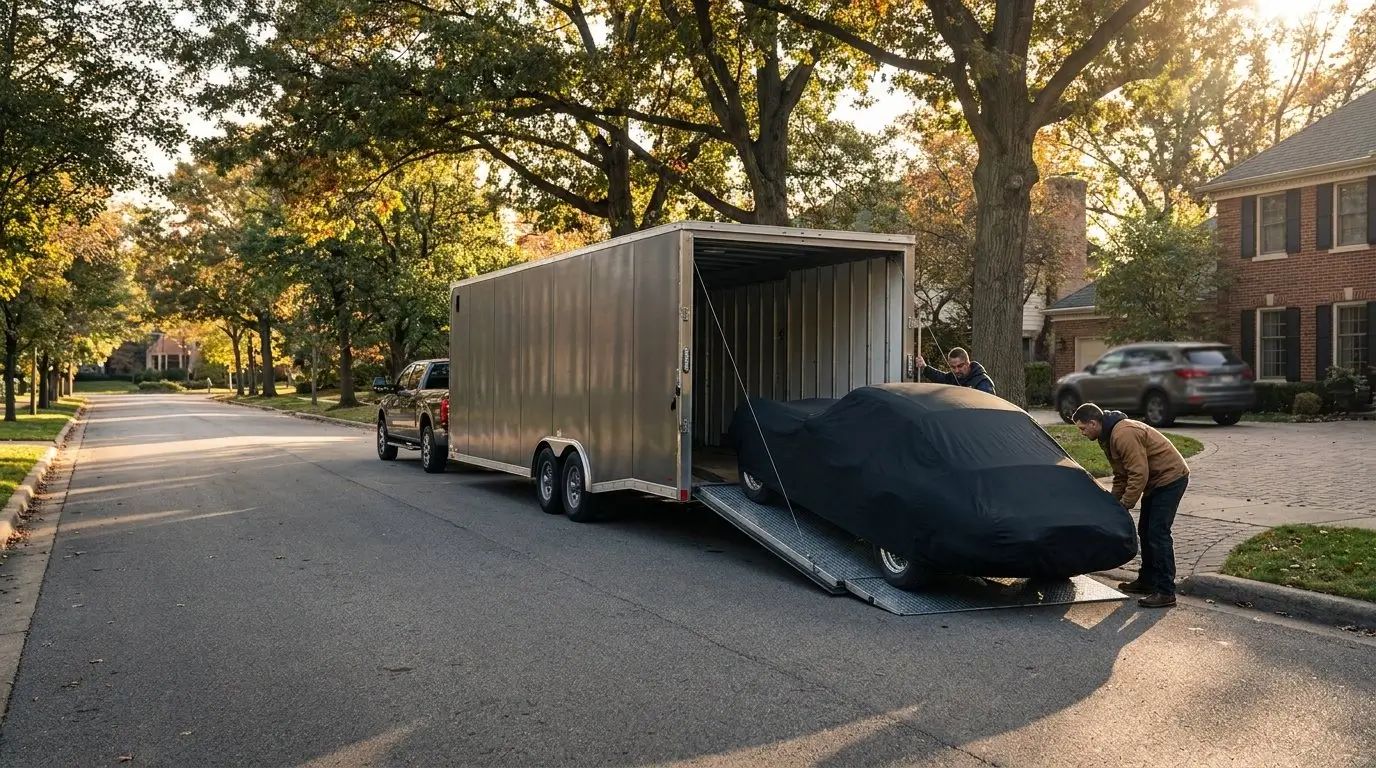
Still, some cars deserve extra care. Enclosed transport protects your vehicle from weather, dust, and loose road debris. It costs more, yes, but in return you get controlled handling and added protection. Owners of luxury models, classics, and freshly detailed vehicles often choose this without hesitation.
Door-to-Door vs Terminal-to-Terminal Delivery
Door-to-door service keeps things simple. The carrier comes to you, loads the car, and delivers it close to your destination. You save time and avoid extra planning.
Terminal-to-terminal works differently. You drive to a designated hub for both drop-off and pickup. That extra step can reduce cost, but it also adds responsibility on your end. Some people like the trade-off. Others quickly decide the convenience is worth paying for.
How Can You Tell If a Car Shipping Company Is Legitimate?
After choosing the service type, the next filter is legitimacy. Without it, everything else becomes meaningless. Start with the company’s FMCSA registration and ask for their MC and DOT numbers.
These are not optional. Any real company must have them. A professional company provides them immediately. No tension and no excuses.
From there, move straight to the insurance authority. The carrier handling your vehicle must carry active cargo insurance that covers real-world damage scenarios. Clear proof builds trust fast. Vague explanations erase it just as quickly.
If a company avoids paperwork or rushes past verification, that hesitation should stop the process right there. A legitimate operation runs on transparency long before your car ever touches a trailer. If you want the step by step version, read our guide to verifying an auto transport company.
How Do Reviews and Reputation Really Help You Decide?
Reviews work best when you stop treating them like individual opinions and start reading them like a pattern. One bad story does not mean much on its own. Ten similar ones do. That is usually where the truth starts to surface.
Some things are worth watching for right away:
- The same delay issue mentioned again and again
- Charges that appear after the price was “locked in”
- Support that disappears once the car is picked up
- How the company reacts when a mistake is called out
Google shows what is happening right now. The BBB shows what happens when problems turn formal. Nobody expects perfection every time. What matters is how a company handles pressure. When you look at reviews this way, you move much closer to understanding how to choose a company without walking in blind.
How Should You Compare Car Shipping Quotes Without Getting Tricked?
A quote looks simple on the surface. It is only a number. Yet behind that number sits timing, carrier pay, demand, and risk. That is why two offers for the same route can look wildly different.
When one price drops far below the rest, pause. Cheap often means delayed pickup. Sometimes it means your order gets passed around until a carrier finally accepts it. Deposits add another layer. Small upfront payments are normal. Heavy pressure for full payment early should slow you down immediately.
Then comes the contract. Quiet. Dense. Easy to ignore. That document decides who carries the risk when something shifts. Read it once. Then read it again. The lowest number only matters if the terms still protect you.
What Insurance Coverage Should a Car Shipping Company Provide?
Insurance is the part of car shipping that matters most when something goes wrong. This is the part that protects you when plans slip or when something unexpected happens on the road. And yes, things can happen, even with great drivers.
Carrier Cargo Insurance
Every legitimate carrier must carry cargo insurance. This is the policy that covers your vehicle while it is physically on the truck. Without it, you are exposed. Period. A professional company will provide the carrier’s insurance certificate without hesitation. No waiting. No dancing around the question. Just proof. If that document feels difficult to get, the risk is already too high.
What’s Actually Covered vs What’s Not
Coverage is not automatic for everything. Most policies protect against damage from loading, unloading, and road transport. They usually do not cover personal items left inside the car. That detail surprises many people. Always ask for clear limits, deductibles, and claim steps upfront. You want certainty before anything moves, not after something goes wrong!
What Are the Biggest Red Flags to Avoid When Choosing a Car Shipping Company?
Some warning signs speak quietly. Others shout. Either way, they deserve attention. Scams still exist in this space, and they often wear a professional face at first.
Watch closely for these patterns:
- Pushy sales calls that rush your decision
- Requests for full payment before a carrier is assigned
- Unclear answers about insurance or contracts
- Missing MC or DOT numbers when asked
Here is something most people do not realize. These are the same checks the industry uses on itself. Legitimate businesses follow structure. Scammers avoid it.
If something feels off in the first conversation, listen to that feeling! Trust builds through clarity. Risk hides inside pressure.

Final Checklist
This is the moment where everything tightens into focus. You are no longer guessing. You are deciding. Start with the basics and do not rush past them. Verify the MC and DOT numbers yourself. Ask for written proof of cargo insurance.
Read reviews slowly and look for repeats, not perfection. Then pause on the price. If it feels unrealistically low, it probably is. Payment pressure before dispatch should immediately slow the process down. And finally, take the time to read the contract twice, even if your instinct tells you not to.
This is the real foundation of how to choose an auto transport company without stress or second-guessing. Follow these checks and you stay in control of the move! Ignore them and the process takes control of you.
Frequently Asked Questions
How do you find a reliable auto transport company?
What criteria matter most when choosing a vehicle shipping company?
How do you choose between two car shipping companies?
Should you book with a broker or a carrier?
Is there one best auto transport company?