A Day in the Life of a Car Shipping Driver
Car shipping drivers start their mornings while most cities are still quiet. Coffee first, headlights on, ramps checked, straps counted, chains inspected; then the mental map begins. The job is physical, but the route lives in their head all day.
A lot of car owners never see the real prep. That quiet, focused work is the heart of behind the scenes shipping in the auto transport world. A driver could finish an inspection before 7 AM, reshuffle a loading order by 9, and squeeze in route changes before lunch without breaking a sweat, because experience teaches calm. The highway gets the glory. The loading lot gets the real skill.
Key Responsibilities of a Car Shipping Driver
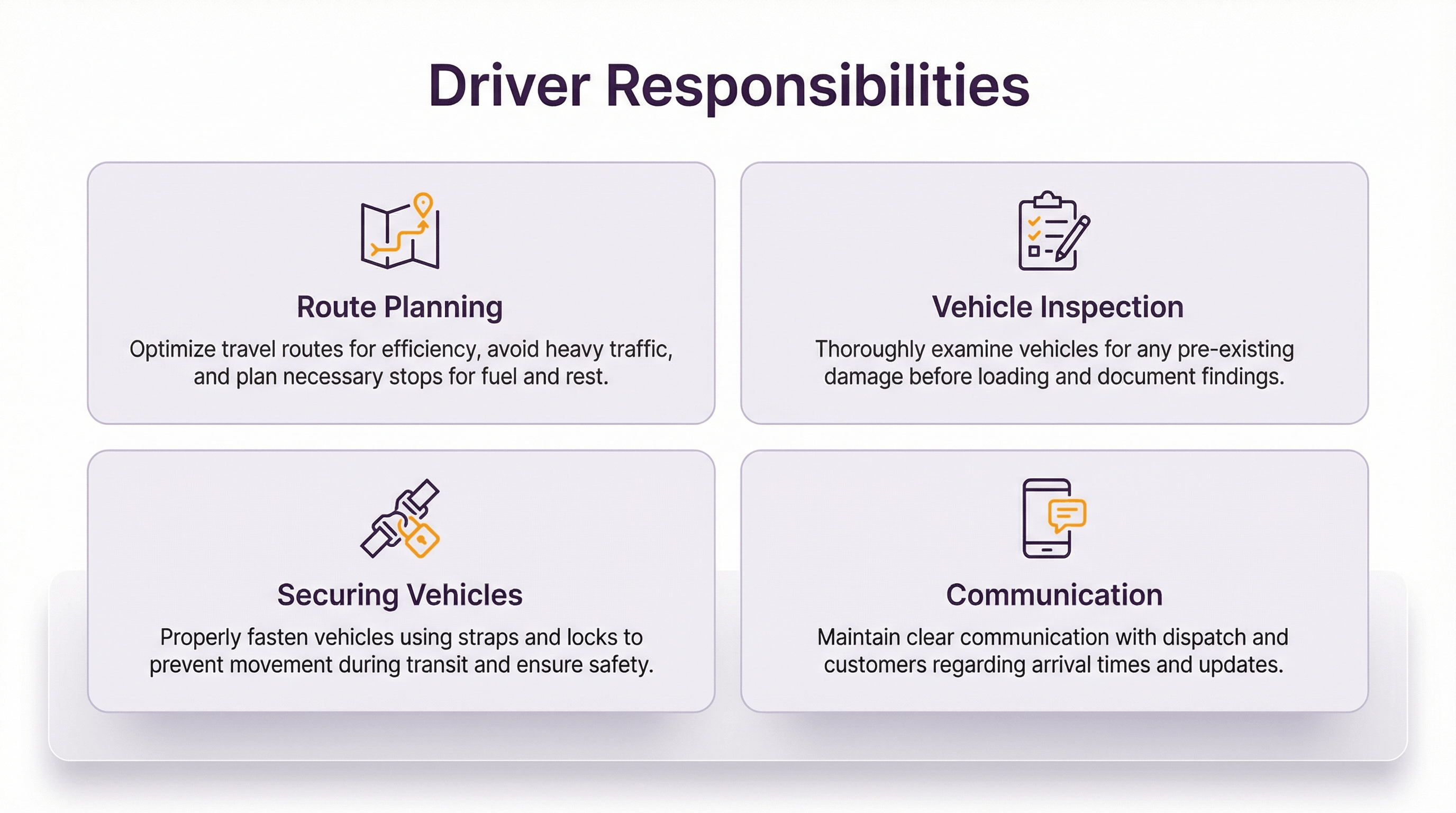
The driver's role involves managing logistics and guaranteeing the safety of every vehicle in their care. Here’s what a typical day might look like:
- Planning the Route: Drivers review schedules and addresses to create the most efficient routes for pickups and deliveries.
- Conducting Vehicle Inspections: Before loading, they inspect each car alongside the client to document any existing damage.
- Securing Vehicles: Using specialized equipment, drivers secure cars to the carrier to prevent movement during transit.
- Real-Time Communication: Drivers update dispatch teams about the progress of the journey.
How Are Cars Loaded onto a Transport Truck?
The loading process is one of the most critical steps in auto shipping. In fact, a secure load ensures that vehicles arrive in the same condition they were in at pickup.
Here’s how it’s done:
Pre-Loading Inspection
This is the behind the scenes car moment most owners never witness. Drivers walk around the vehicle with the customer, take photos, write notes, and mark every scratch or tiny detail before loading starts. It’s more about honesty and protection on both sides than paperwork.
Positioning Vehicle
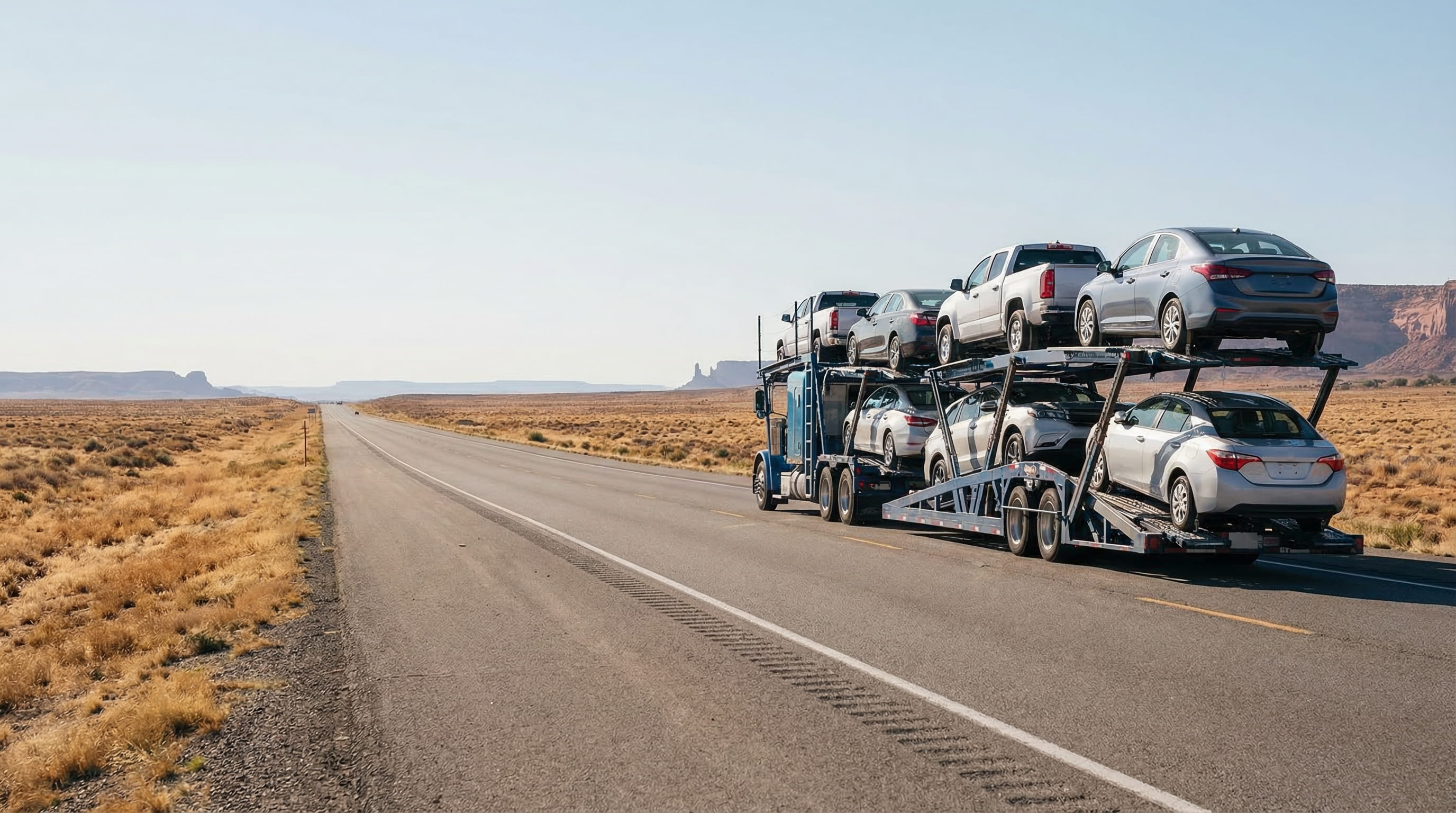
Small cars often go on the top deck because weight distribution keeps the trailer steady. Bigger vehicles ride on the bottom. It looks simple from afar, but drivers calculate height, weight, length, and unloading order like it’s second nature.
Securing the Vehicles
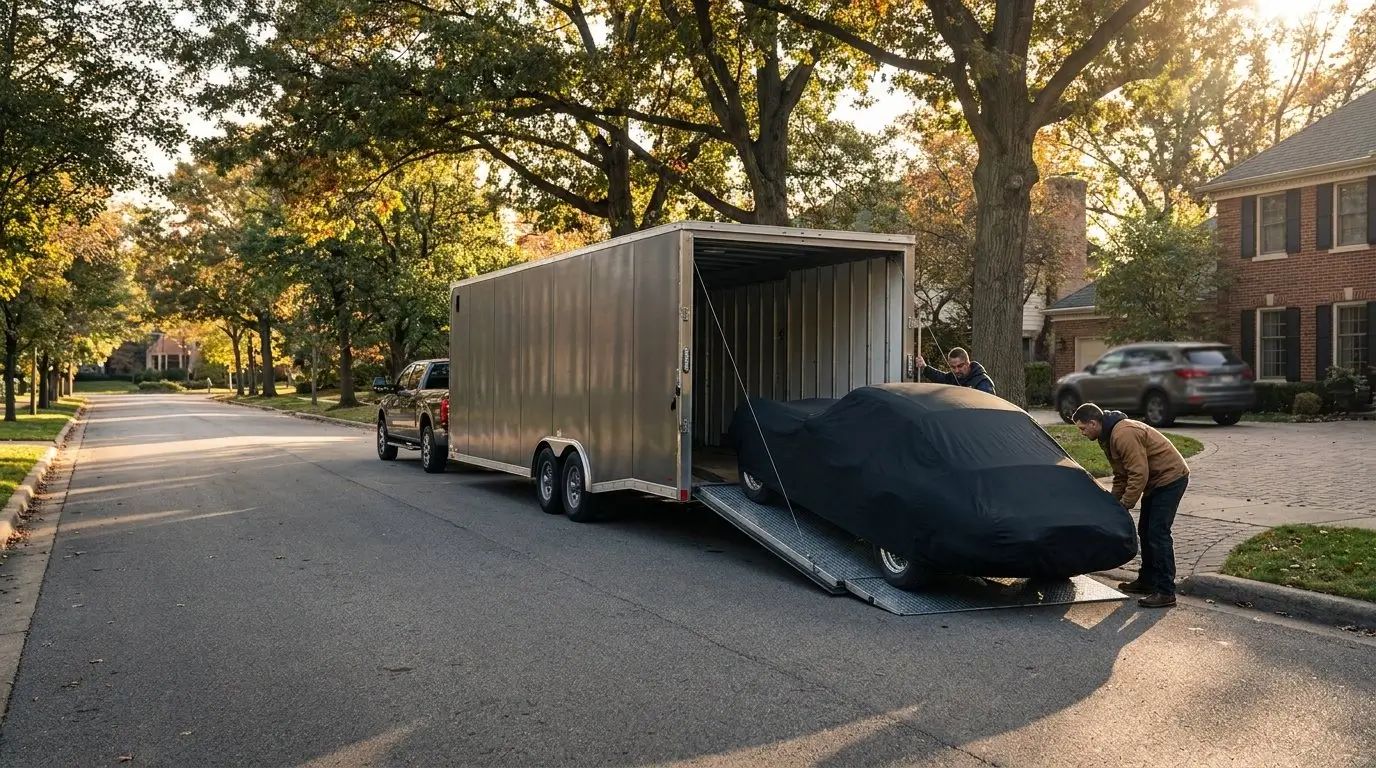
Once the car is in place, it gets strapped or chained down and tested by hand. Drivers pull the straps, shake the wheels gently, and re-tighten until the tension feels perfect. On open carriers, cars are secured and visible to weather. In enclosed trailers, vehicles sit on platforms and get full protection from road grit and sudden storms.
Loading Luxury or Specialty Vehicles
Classic, exotic, or low-clearance cars get loaded with hydraulic lifts or extra-gentle angles. The goal is zero impact, zero pressure, and zero surprises.
At Rivalane, high-value vehicles are handled like they’re priceless. Because to the owner, they always are.

What Happens to Your Car Once It’s Picked Up?
After your vehicle is picked up, the shipping journey begins. Here’s an inside look at what happens along the way:
1. Route Planning
This is the first step. Drivers and dispatch talk early and often, comparing delivery order, road rules for oversized trailers, storm updates, and areas known for slowdowns. Most carriers stop multiple times along the way.
2. Rest Stops and Inspections
Throughout the journey, drivers take scheduled rest stops to:
- First, check the straps or chains securing the vehicles.
- Additionally, inspect the carrier for tire pressure and overall condition.
- Finally, ensure that all vehicles remain safe and secure.
3. Arrival at the Delivery Location
At the final destination, drivers conduct another inspection to confirm the vehicle’s condition matches its pre-shipment state. Consequently, this step guarantees peace of mind for both the driver and the customer.
Challenges Faced by Car Shipping Drivers
Delays, detours, and fast decisions are part of every transport day. Even when everything is mapped out, the road always adds its own twist. Traffic can turn a two-hour stretch into a slow crawl.
Then, on top of that, weather can flip the plan entirely, like snow, sudden storms, heat waves, or flash flooding. Drivers adjust quickly, and at the same time, they stay focused even when there’s nowhere safe to pull over.
Plus, when pickup or delivery points are far from highways, guiding a large trailer into tighter roads takes even more awareness.
When you step inside a car carrier ship, you notice things most people never consider. The truck size, the weight shifts, and the sound of the road humming under the decks. Also, there are constant small corrections drivers make quietly to keep everything steady.
It’s demanding work, but still, it’s a job built on confidence and control. The challenges look big from the outside. Yet, from the driver’s seat, they’re just the next problem to handle.

Who Are the People Behind the Process?
Car transport works because a team backs every move. They handle timing, coordination, customer updates, and safety layers long before and after the truck rolls.
- Dispatch coordination: They talk to drivers throughout the day, adjusting delivery order, bridge limits, tunnel rules, and weather risks in real time.
- Customer communication: Updates are shared often, but always honest. No scripted lines. Just real timing, real locations, real expectations.
- Equipment and load logic: Logistics teams track trailer height, weight limits, fuel windows, driver hours, and unloading sequences so the route stays legal and safe.
- Support calls and quotes: Questions get answered by people who understand seasons, routes, distance, and the tiny details that make transport predictable.
Final Thoughts: The Teamwork Behind Car Shipping
Car shipping looks simple from the outside, but it only feels that way because the hardest parts are handled early and fast. Drivers take care of loading, securing, and inspections, dispatch keeps routes efficient, and logistics teams track road limits, weather risks, and timing windows. The process moves like a system built on repetition, awareness, and quick fixes that happen quietly.
The road will always have surprises. That’s the job. But the real value is having people who catch issues before departure, reset straps without drama, and keep car ships balanced and safe across states.
Contact us anytime for honest pricing, vetted car ships, and real support that shows up.
Frequently Asked Questions