What Does “Auto Shipping” Actually Mean?
Auto shipping refers to the professional transport of a vehicle from one location to another using a licensed car carrier. Instead of driving the car yourself, a transport company moves it on your behalf. This service exists to save time, reduce mileage, and avoid long-distance wear.
People use car shipping for many reasons. A cross-country move. A car purchase made online. A seasonal relocation between states. In each case, the goal stays the same: move a vehicle safely without putting miles on it.
Once you understand how auto transport works, the idea becomes far less intimidating. It is not a complicated system. It is a structured service built around planning, coordination, and clear responsibility.
How Does Auto Shipping Work From Start to Finish?
The process follows a clear order. Each step builds on the one before it. When handled correctly, there are no surprises, only checkpoints.
Here is how it works in real terms.
Step 1: How Do You Choose an Auto Transport Company?
Everything starts with the company you trust. A reputable provider holds proper licensing, carries insurance, and shows a consistent review history. That matters more than flashy promises.
You will also notice two roles in this industry. Carriers operate the truck, while brokers coordinate routes, pricing, and scheduling. Both play a role. What matters is transparency and accountability.
Step 2: How Do Car Shipping Quotes Work?
A quote reflects real variables, not guesswork. Distance plays a major role. So does vehicle size, condition, timing, and transport type.
Prices shift by season and route. A popular corridor moves faster than a remote location. Flexible dates often reduce cost. Tight timelines do the opposite.
Step 3: What Transport Options Can You Choose From?
Most vehicles ship on open carriers, the standard option you see on highways. It offers efficiency and value for everyday cars.
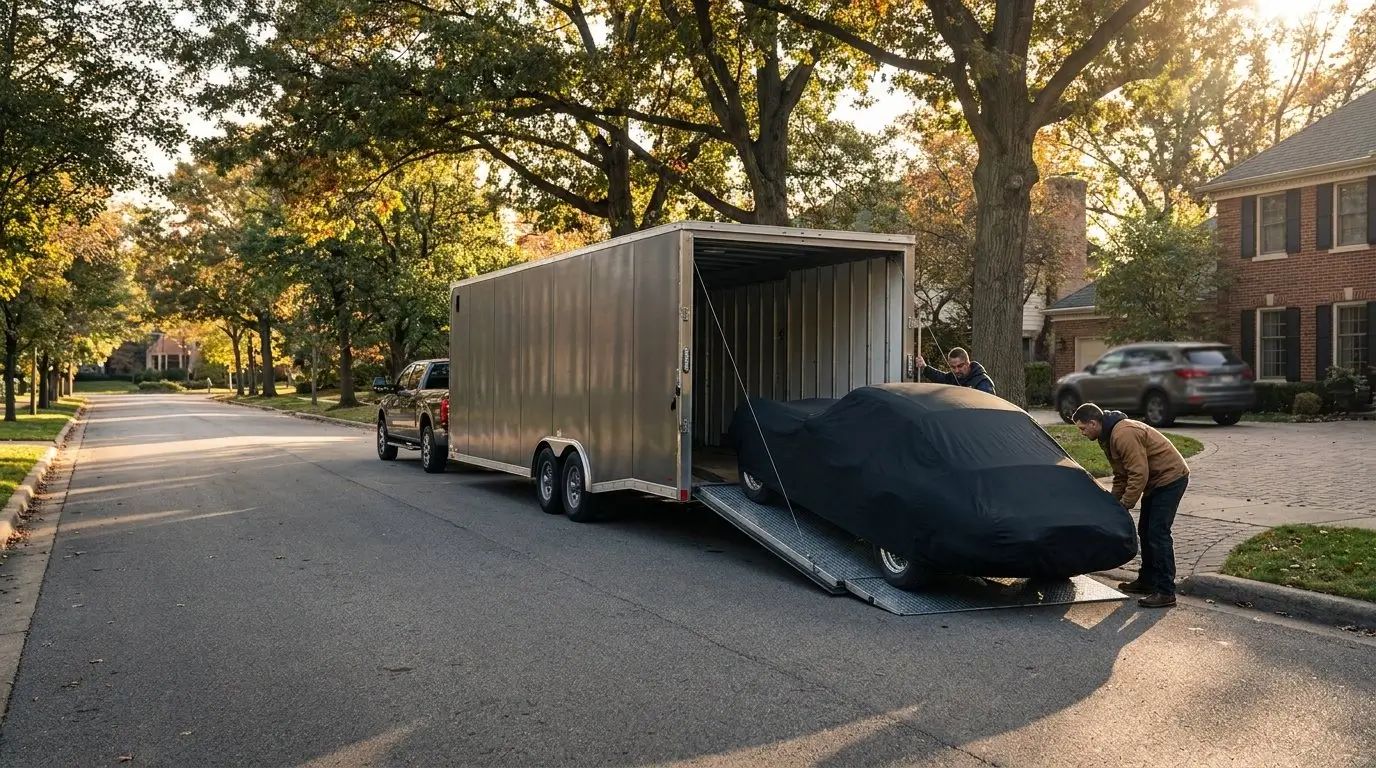
Enclosed transport adds protection. This option suits luxury, classic, or high-value vehicles.
You will also choose between door-to-door service and terminal delivery. Door-to-door offers convenience. Terminal service trades flexibility for price. Each has a place, depending on priorities.
Step 4: How Do You Prepare Your Car for Shipping?
Preparation stays simple. Remove personal items. Leave only a small amount of fuel. Clean the exterior so existing marks remain visible.
Photos matter because they create a clear record of condition before pickup. That step protects both sides.
No mechanical work required unless the car does not run. In that case, the company needs advance notice.
Step 5: What Happens at Pickup Day?
Pickup day sets the official start. The driver inspects the vehicle with you and notes its condition on the Bill of Lading.
Once signed, the car loads onto the carrier. At that point, responsibility shifts to the transporter.
Step 6: What Happens During Transit?
During transit, communication matters more than constant updates. Most carriers provide status information at key points, not minute-by-minute tracking.
Insurance coverage stays active the entire time. That protection comes from the carrier, not the broker.
Delays can happen due to weather or traffic. Reputable companies communicate early when schedules change.
Step 7: What Happens at Delivery?
Delivery mirrors pickup. Another inspection takes place. The vehicle condition matches the original report or any changes receive documentation.
Once confirmed, you sign the Bill of Lading again.
How Much Does It Usually Cost to Ship a Car?
Cost usually comes first for a reason. It sets expectations early. Most auto shipping prices fall within a reasonable range, but they never follow a single formula. In general, longer distances lower the cost per mile, while shorter routes cost more per mile due to fixed transport expenses.
Beyond distance, several details influence the final number. Vehicle size plays a role. Larger or heavier vehicles require more space and capacity. Timing matters as well. During peak seasons, especially summer, demand increases and prices rise. Quieter periods often bring more flexibility and better rates.
Quotes may also adjust when routes change or carrier availability shifts. Because of that, flexible pickup dates often help keep pricing stable. Clear communication at this stage avoids surprises later.
How Long Does Auto Shipping Usually Take?
Most car shipments take between a few days and two weeks, depending on distance, route access, and scheduling. That range reflects how car shipping works in real conditions, not delays or uncertainty.
Pickup rarely happens on a single fixed date. Instead, transport companies use a pickup window, which allows carriers to build efficient routes and avoid empty miles. Once the vehicle is in transit, distance becomes the main factor. Major city routes usually move faster due to higher carrier availability. Rural locations often add time.
Coast-to-coast shipments typically fall within the one to two week range from pickup to delivery. Weather, traffic, and road conditions can affect timing along the way. These factors reflect logistics at work, not service quality. When timelines stay realistic, the entire process feels more predictable and far less stressful.
Is Auto Shipping Safe and Reliable?
Yes, auto shipping is safe and reliable when handled by licensed carriers that follow industry standards. Every professional carrier provides cargo insurance, which protects your vehicle from pickup through delivery. This coverage remains active for the entire route, not just part of the trip.
From experience, problems rarely come from transport itself. They usually stem from skipped steps. That is why inspections matter. The Bill of Lading documents the vehicle’s condition at pickup and again at delivery. When this process stays consistent, disputes stay rare.
When you work with a company that values structure and accountability, risk stays low. About Rivalane auto transport, choosing us means verified carriers, active insurance coverage, and clear documentation at every stage. That approach delivers consistency, not surprises.

What Should First-Time Shippers Know Before Booking?
First-time shippers should know that auto shipping works on windows, ranges, and documented steps, not exact times or assumptions. Understanding this early prevents most frustration.
Pickup happens within a scheduled window, not a fixed hour. Quotes reflect real variables such as distance, timing, and vehicle type, not placeholders. Communication usually occurs at key stages, not continuously.
Before booking, ask direct questions. Who provides the insurance? What does the quote include? How does pickup scheduling work? Clear answers show how a company operates.
When expectations align with how the process actually works, uncertainty fades. Confidence replaces guesswork well before the vehicle ever moves.
Conclusion
Auto shipping follows a clear process once you know what to expect. From choosing a company to final delivery, each step exists for a reason. Costs depend on distance and timing. Transit works within ranges, not guarantees. Inspections and documentation protect both sides.
The biggest difference comes from understanding the structure before booking. When expectations align with how the industry actually operates, stress drops fast. Decisions feel easier. Outcomes feel predictable.
With the right information, auto shipping stops feeling uncertain and starts feeling manageable. That clarity helps you choose the right service, ask the right questions, and move forward with confidence.
Frequently Asked Questions
|
Q
How much would it cost to deliver a car 1,000 miles?
Most shipments around 1,000 miles fall within a mid-range price, depending on vehicle size, timing, and route demand. Longer distances usually lower the cost per mile.
|
|
Q
How much does it typically cost to ship your car?
Car shipping costs vary based on distance, transport type, season, and vehicle condition. Quotes reflect these real variables rather than flat pricing.
|
|
Q
Is it worth it to ship my car?
Yes, especially for long distances, tight schedules, or high mileage concerns. Shipping often saves time and avoids wear, fuel costs, and fatigue.
|
|
Q
Is it safe to buy a car online and have it delivered?
Yes, when you use licensed transport companies and document vehicle condition properly. Many online buyers rely on auto shipping for secure delivery.
|
|
Q
Can I drive a vehicle home if I just bought it?
You can, but long drives add mileage, time, and risk. Shipping often makes more sense when distance or scheduling becomes a challenge.
|
|
Q
Does my car have to be empty when I ship it?
Yes. Most carriers require vehicles to stay free of personal items for safety, insurance, and weight regulations.
|