Understanding Car Shipping Costs
Car shipping prices can vary quite a bit, and it’s not always obvious why. Most people expect distance to be the main factor, but in reality, several things come into play at the same time.
In general, shipping within the U.S. can cost anywhere from $500 to $1,500. However, that range shifts depending on the route, the type of vehicle, and how accessible the pickup and delivery locations are. For instance, routes between major cities are usually more affordable than remote or less frequently traveled areas.
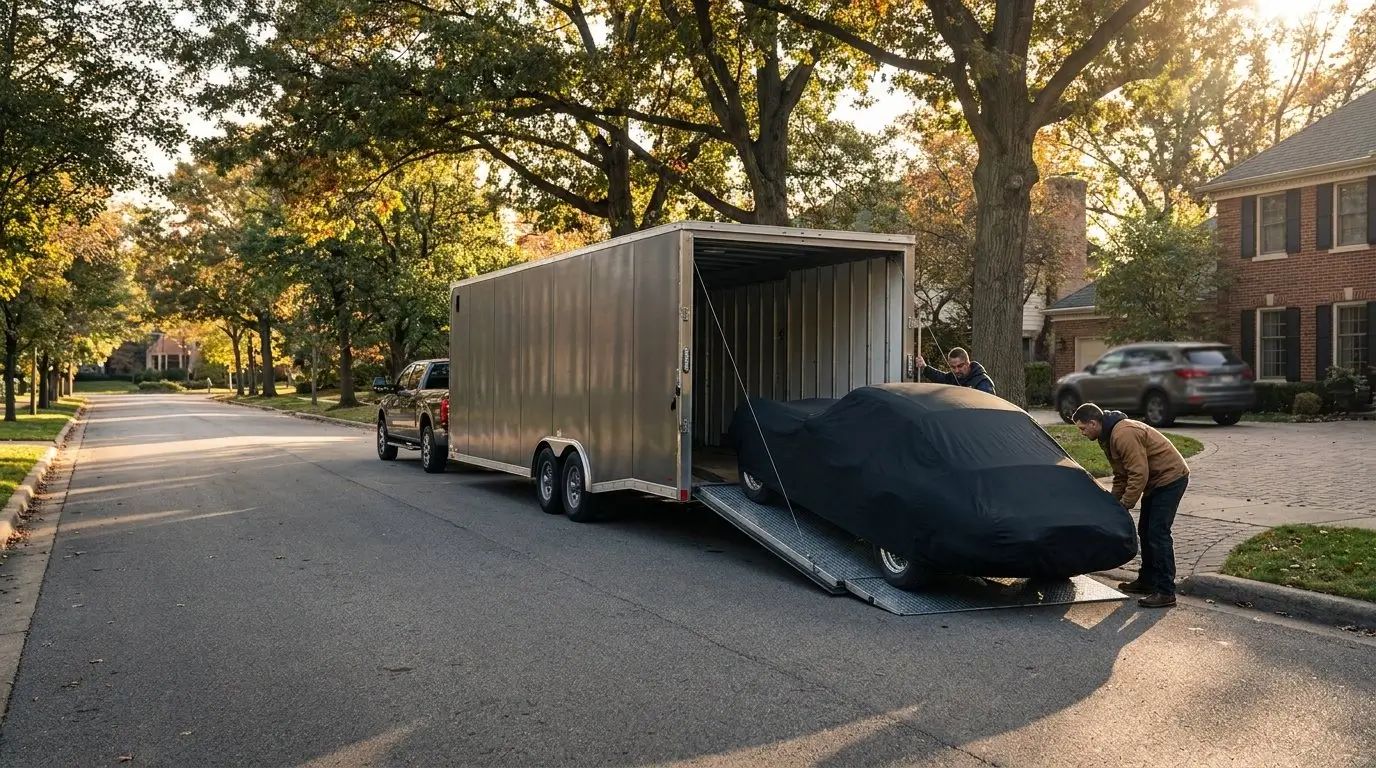
The type of transport matters too. Open carriers are the more common and budget-friendly option, while enclosed trailers offer added protection but come at a higher price. Then there’s timing: rates tend to increase during busier seasons when demand is higher.
On top of that, the condition of the vehicle can affect the quote. If a car isn’t running or has modifications, carriers may charge extra since it requires more effort or special handling.
So, instead of looking at just one factor, it’s better to think of pricing as a combination of distance, vehicle details, timing, and route demand; all working together to shape the final cost.
Factors Influencing Car Shipping Rates
Many variables influence car shipping rates. Each plays a critical role in determining the final price. Understanding them can help you get the best deal.
Key factors include:
- Distance: Longer distances increase costs.
- Route: Popular routes are often cheaper.
- Vehicle size: Larger vehicles require more space and weigh more, raising costs.
- Season: Rates can rise during high-demand periods.
- Transport type: Enclosed carriers offer protection but cost more.
Importance of Vehicle Size and Weight
Vehicle size significantly impacts shipping costs. Larger vehicles occupy more space on transport carriers. This reduces the number of vehicles a carrier can accommodate.
Consider these points:
- Weight: Heavier vehicles consume more fuel, raising costs.
- Length and height: Some carriers require special handling for oversized vehicles.
- Space: Larger dimensions can affect carrier availability.

Car Transport Services and Vehicle Size
Car transport services categorize vehicles by size. This influences the logistics and costs of shipping. Services accommodate various vehicle classes, from compact to full-size. Choosing the right service relies on understanding these size classes.
Larger vehicles need special handling. Extra space and weight can increase car shipping rates. Some transport services use custom equipment for oversized vehicles, affecting logistics and pricing.
When selecting a service, consider how they manage different vehicle sizes. Reliable companies offer clear guidance based on your vehicle's dimensions. Look for companies with:
- Experience with specific vehicle sizes.
- The ability to handle specialized equipment.
- Clear, transparent pricing models.
Comparison of Different Transport Options
Transport options affect the cost and safety of your vehicle. Car owners can choose between open and enclosed carriers. Each has its advantages and challenges.
Open carriers are more common and less expensive. They expose vehicles to weather and road debris. Enclosed carriers offer more protection but come at a premium.
Consider these factors when selecting:
- Protection level: Enclosed offers more.
- Cost: Open is cheaper.
- Vehicle type: Luxury or rare cars may require enclosed options.
Weigh the pros and cons based on your specific needs.
Open Car Shipping
Open car shipping is the most popular option. It is cost-effective and widely available. Vehicles are transported on open trailers, exposing them to elements.
This method suits standard cars and budget-conscious owners. It is ideal for those seeking affordable car transport services. However, it may not suit high-value or classic cars. Factors to consider:
- Cost-efficiency: Cheapest option available.
- Availability: More transport slots.
- Exposure: Weather and road conditions impact the vehicle.
Open car shipping represents good value for everyday vehicles.
Enclosed Car Shipping
Enclosed car shipping provides top protection. Vehicles are sealed in trailers, safe from weather and debris. This is the best choice for high-value cars, classic models, or luxury vehicles.
Though more expensive, it offers added peace of mind. Enclosed shipping guarantees vehicles arrive in pristine condition. Consider these points when evaluating enclosed options:
- Cost: Higher than open shipping.
- Protection: Superior safeguarding against elements.
- Suitability: Ideal for luxury, vintage, or rare cars.
How to Get Accurate Vehicle Shipping Quotes
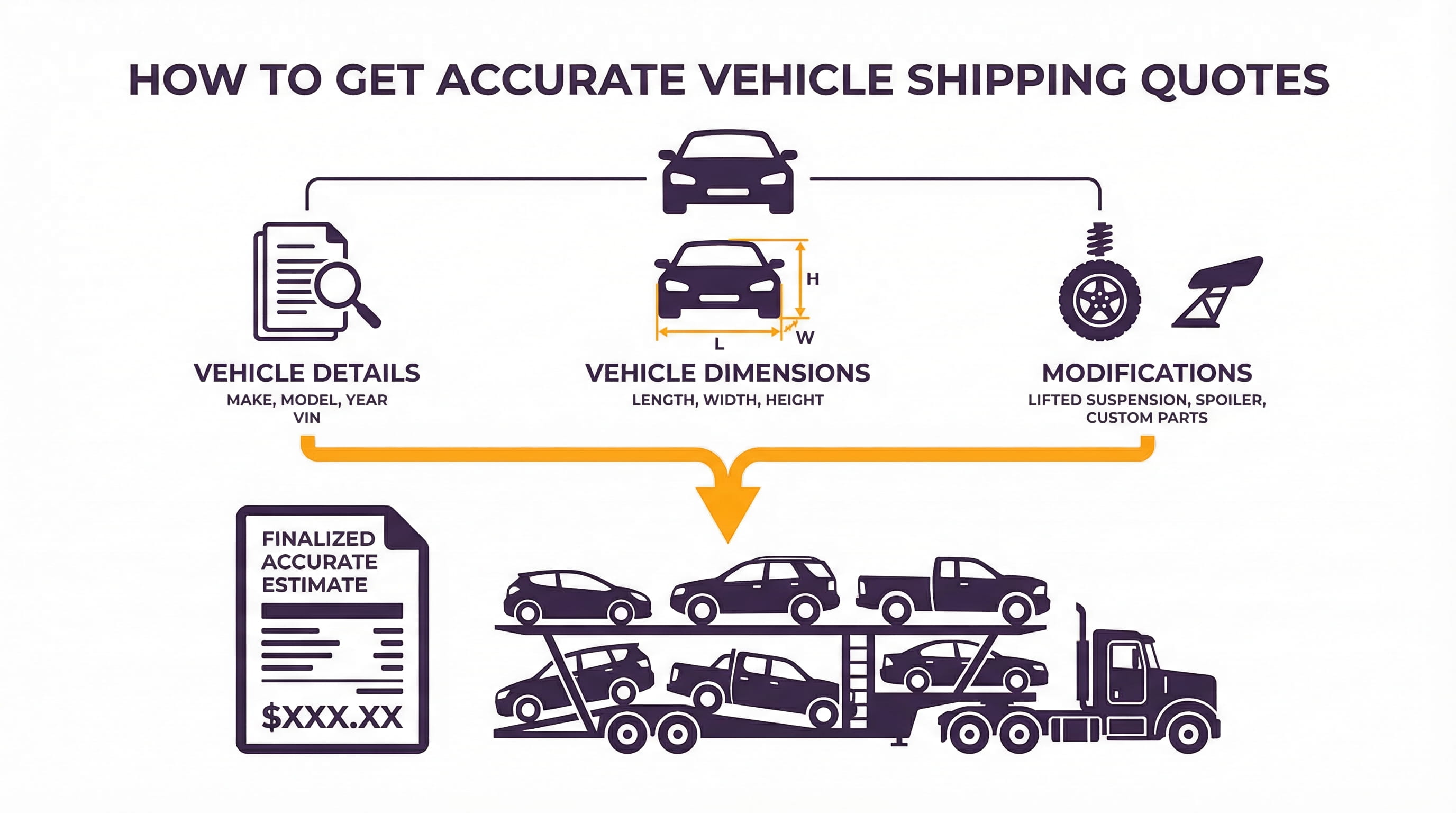
Getting accurate vehicle shipping quotes requires precise information. Begin by gathering key details about your vehicle. This step is crucial for an accurate car shipping quote.
Make sure you provide all relevant dimensions and any modifications. This helps the car transport service assess the best transport method. Precision here prevents unexpected charges.
Key details to provide include:
- Vehicle make, model, and year.
- Dimensions: length, width, and height.
- Modifications or custom parts.
Providing these details allows companies to offer more precise vehicle shipping quotes. This aids in budgeting effectively.
Providing Correct Vehicle Dimensions
Correct vehicle dimensions are essential for a reliable quote. Measurements should reflect the actual size, considering any custom parts. Both length and height are critical in determining transport needs.
List these dimensions precisely:
- Length: Front to back measurement.
- Width: Side to side, including mirrors.
- Height: Ground to highest point.
Common Mistakes in Size Reporting
Mistakes in size reporting can lead to inaccurate quotes. Many overlook detachable items or customizations, altering vehicle dimensions.
Common errors include:
- Excluding roof racks: Affects vehicle height.
- Omitting mirrors: Understates vehicle width.
- Forgetting added spoilers: Alters length.
To avoid these pitfalls, double-check dimensions and include all relevant modifications.
Detailed Breakdown of Car Shipping Quotes
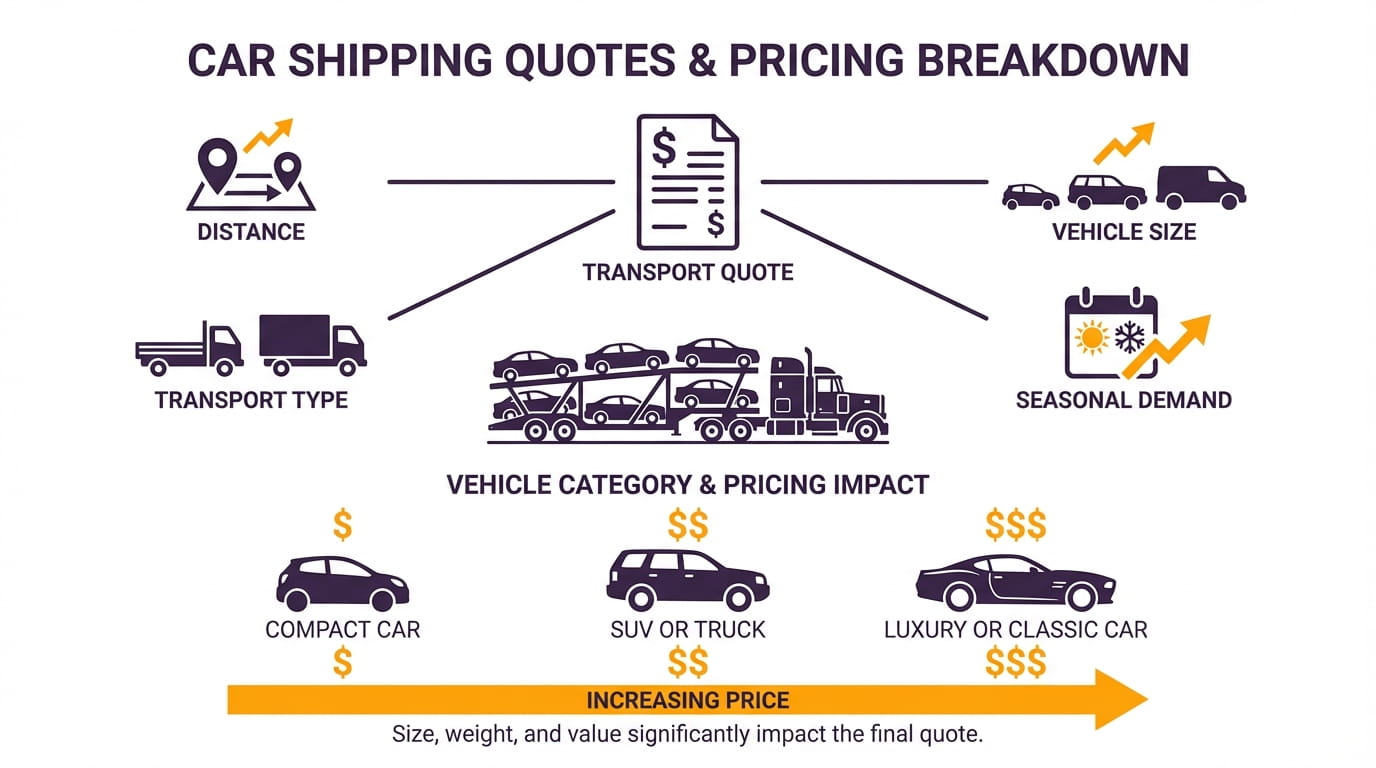
Understanding your car shipping quote involves examining several factors. Each element plays a role in the final cost. It's important to know where your money goes.
Quotes typically include:
- Transport Type: Open or enclosed?
- Distance: Longer routes often cost more.
- Vehicle Size: Larger cars require more space.
Also consider seasonal shifts, as rates can rise with demand. It's wise to ask for a detailed breakdown.
Pricing Variations for Different Vehicle Types
Different vehicle types influence the pricing of shipping services. For example, shipping an SUV usually costs more than a compact car. The increased size and weight are major factors.
Consider these variations:
- Compact Cars: Typically lower rates.
- SUVs and Trucks: Higher due to size.
- Luxury and Classic Cars: Require extra care, affecting cost.
Knowing these variations helps you plan and budget. Ask for specific quotes to see how your vehicle type impacts costs.
Case Studies of Size and Cost Impacts
Examining real-world examples clarifies how size affects cost. Consider an SUV versus a sedan for shipping. The SUV’s bulk can increase charges by several hundred dollars.
Another case involves:
- Sedans: Cost-effective due to moderate size.
- Trucks: Extra charges for height.
- Vans: Pay more for both length and height.
Conclusion
Understanding car shipping costs helps you budget and choose wisely. Vehicle size plays a big role, impacting transport options and pricing. Consider these factors when seeking car transport services.
Being informed saves money and guarantees peace of mind. Think about your needs and options thoroughly. Make choices based on your vehicle size and shipping requirements.
Frequently Asked Questions