The biggest misconception about shipping a car to the Goodguys Colorado Nationals is that a car show and an auto carrier are working off the same kind of calendar. They arent. Your show has one hard date — move in morning, non negotiable. A carrier sells you a window, not a minute, because trucks build multi car loads along active lanes and pick up when the rig is actually near you. That mismatch between a fixed deadline and a flexible window is the whole game, and the people who understand it get their car to Loveland calm while everyone else is sweating a tracking page.
Quick answer: shipping a car to the Goodguys Colorado Nationals works best when you treat the show date as a "not later than," match the trailer to how your car loads, and give yourself real lead time on a route that doesnt see a truck every hour. The 28th Griot's Garage Colorado Nationals runs September 11 to 13, 2026 at The Ranch Events Complex in Loveland, about an hour north of Denver on I-25. Colorado sits off the busiest national freight lanes, so the specialty trucks that handle lowered and non running show cars book out further than they would on a coast lane.
Here's how it actually works behind the scenes.
What makes shipping to a car show different?
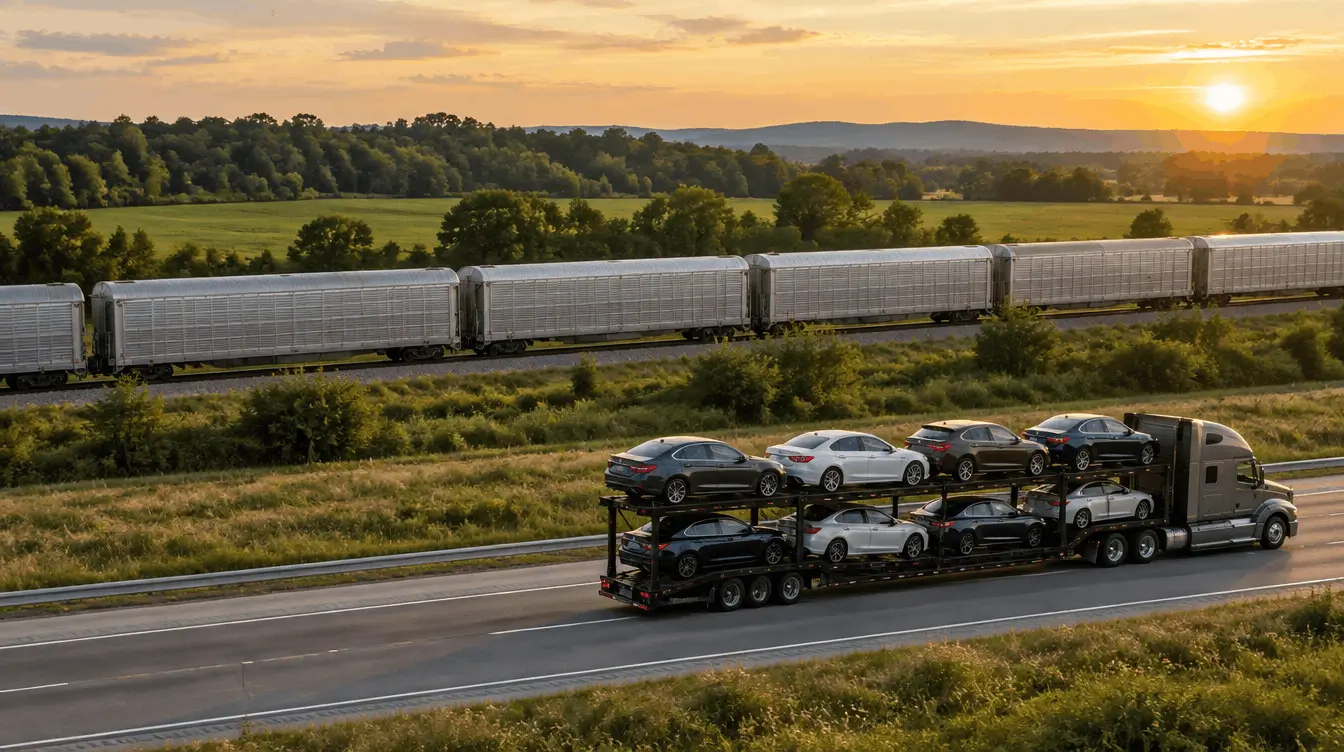
A show gives you a deadline; the industry runs on windows. That's the one sentence to remember. Carriers dont run scheduled routes to a specific address on a specific day the way a parcel service does. They pick up when the truck is near, and the delivery date is an estimate, not a guarantee to the hour. So the experienced move is to book the delivery to land a day or more before move in, and let that cushion absorb the normal variability instead of fighting it.
The owners who panic are the ones who booked to arrive on move in day with no buffer. Any ordinary delay — a slow load two states away, a weather slowdown — and suddenly they're a day short with a car still on a truck. Build the buffer in and the same delay is a non issue. This is the single most important thing to get right, and almost nobody writes about it.
Open or enclosed for a slammed classic?
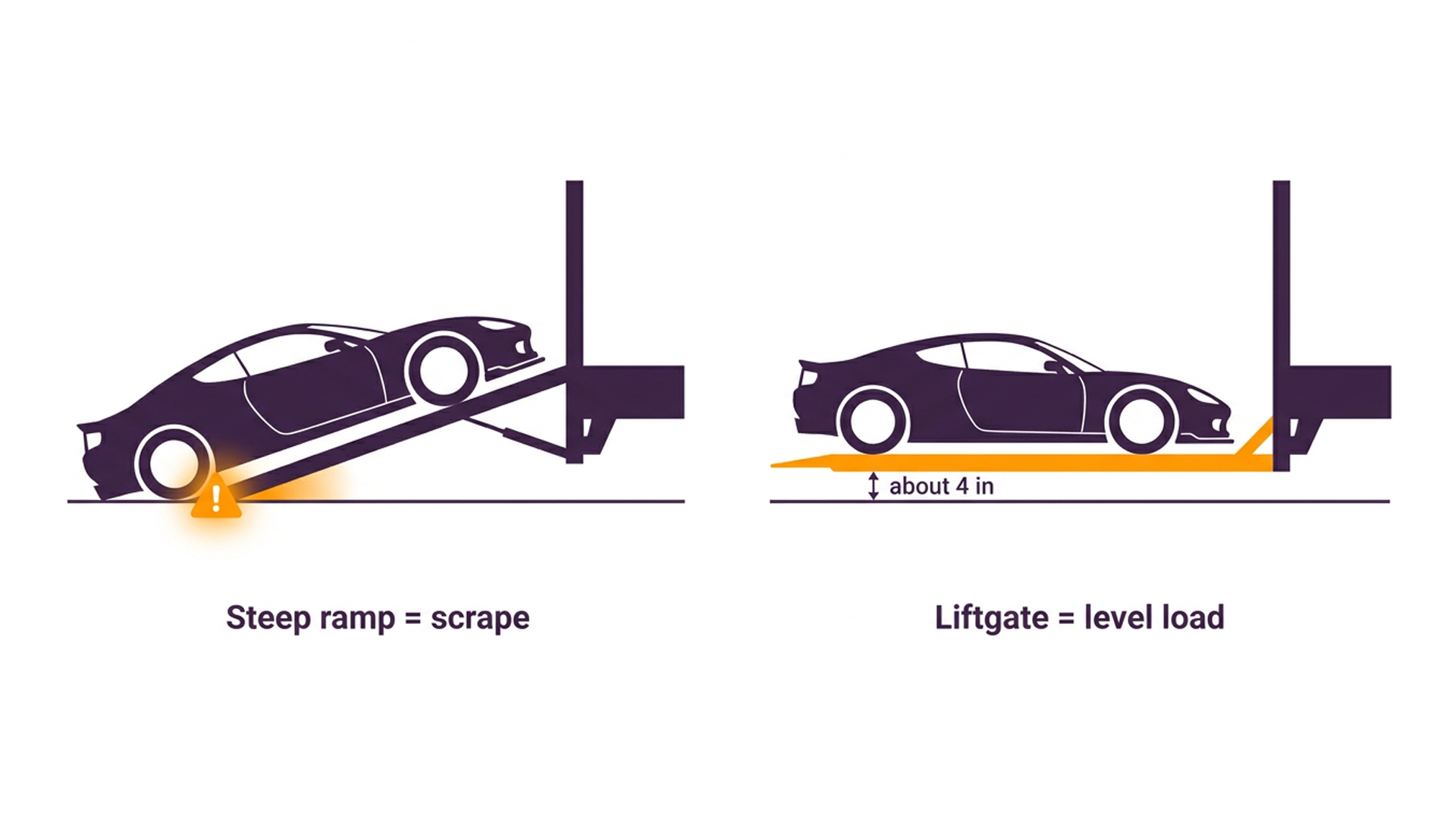
Most guides tell you enclosed transport is about protecting the car from the weather. For a lowered Goodguys build, that misses the real point. The bigger question is how the car gets onto the trailer at all. A car sitting under about four inches of ground clearance can scrape or high center on a standard open ramp, because the ramp angle is just too steep for it. The fix — a hydraulic liftgate that lowers flat to the ground, or extra long low angle ramps — lives almost entirely on enclosed haulers. So when someone books enclosed for a slammed street rod, what they're really buying is the liftgate, and the weather protection comes along for the ride.
If your car runs and sits at a normal height, dont let anyone talk you into more truck than you need — open car transport is the standard, cheaper option and it handles a healthy drivable classic just fine. But once the car is on bags and aired out, or it's a genuine stance build, the clearance quietly disqualifies most standard carriers and you're into the enclosed pool whether you love the price or not. That's less a comfort choice than an equipment gate, and it's why so much classic car transport for this crowd ends up enclosed.
What about a non running project car?
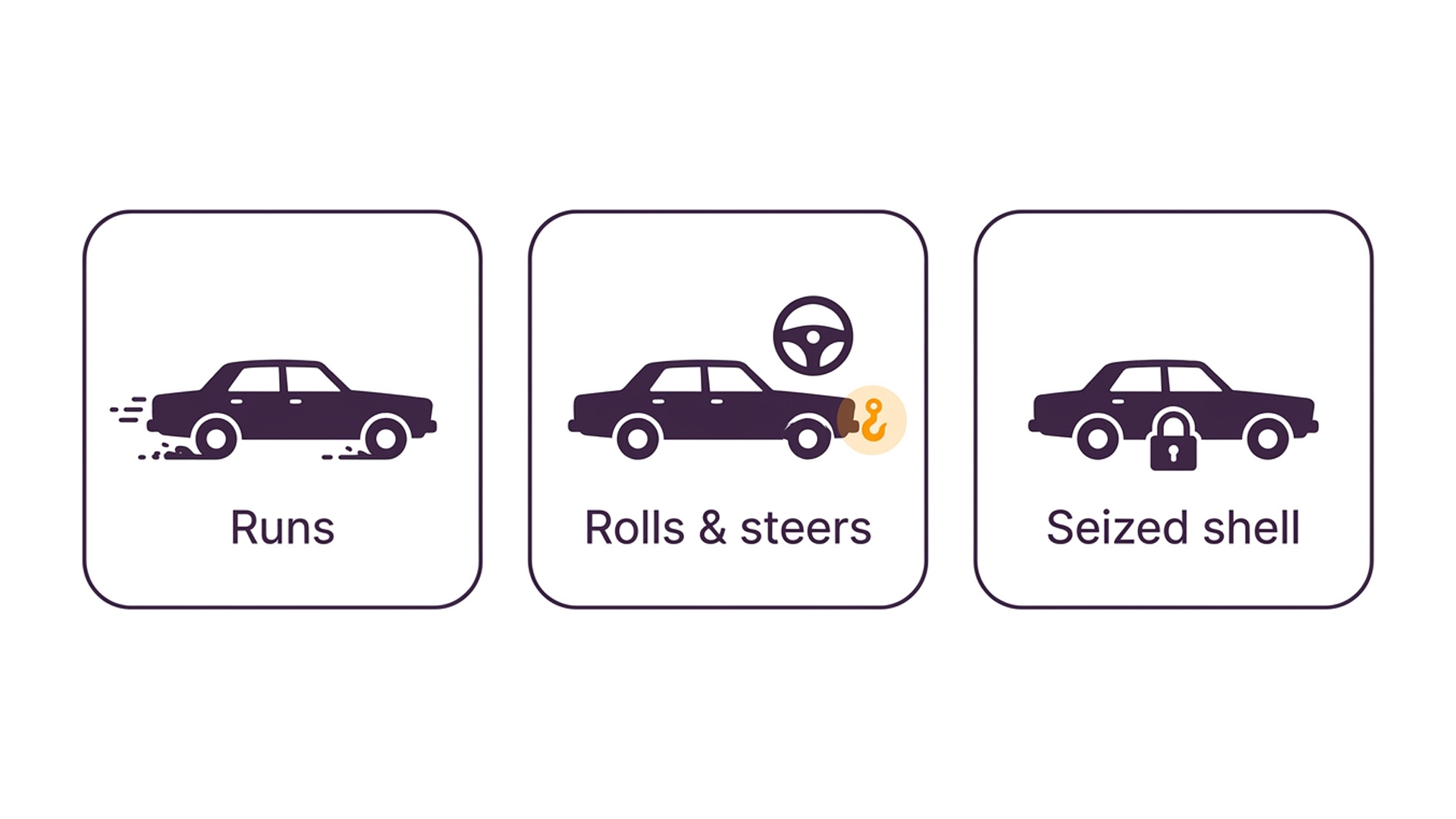
Goodguys admits project and show cars that may not run, and this is where you have to be exact with your dispatcher. "It doesnt run" splits into two very different situations. A car that wont start but rolls and steers freely — wheels turn, steering works, brakes hold — can usually be winched aboard by any winch equipped carrier for a modest inoperable surcharge, often somewhere in the low hundreds. A true shell, or a car that's seized with no working steering or brakes, is a different animal that might need a forklift and a much smaller set of trucks.
The reason this matters isnt just price, it's the carrier match. Not every driver carries a winch or wants the extra loading time, so the more honest you are about running, rolling, and steering up front, the better the odds the first truck dispatched is the right truck. Collector car shipping lives and dies on that kind of accurate information.
Why is the route to Loveland about more than miles?
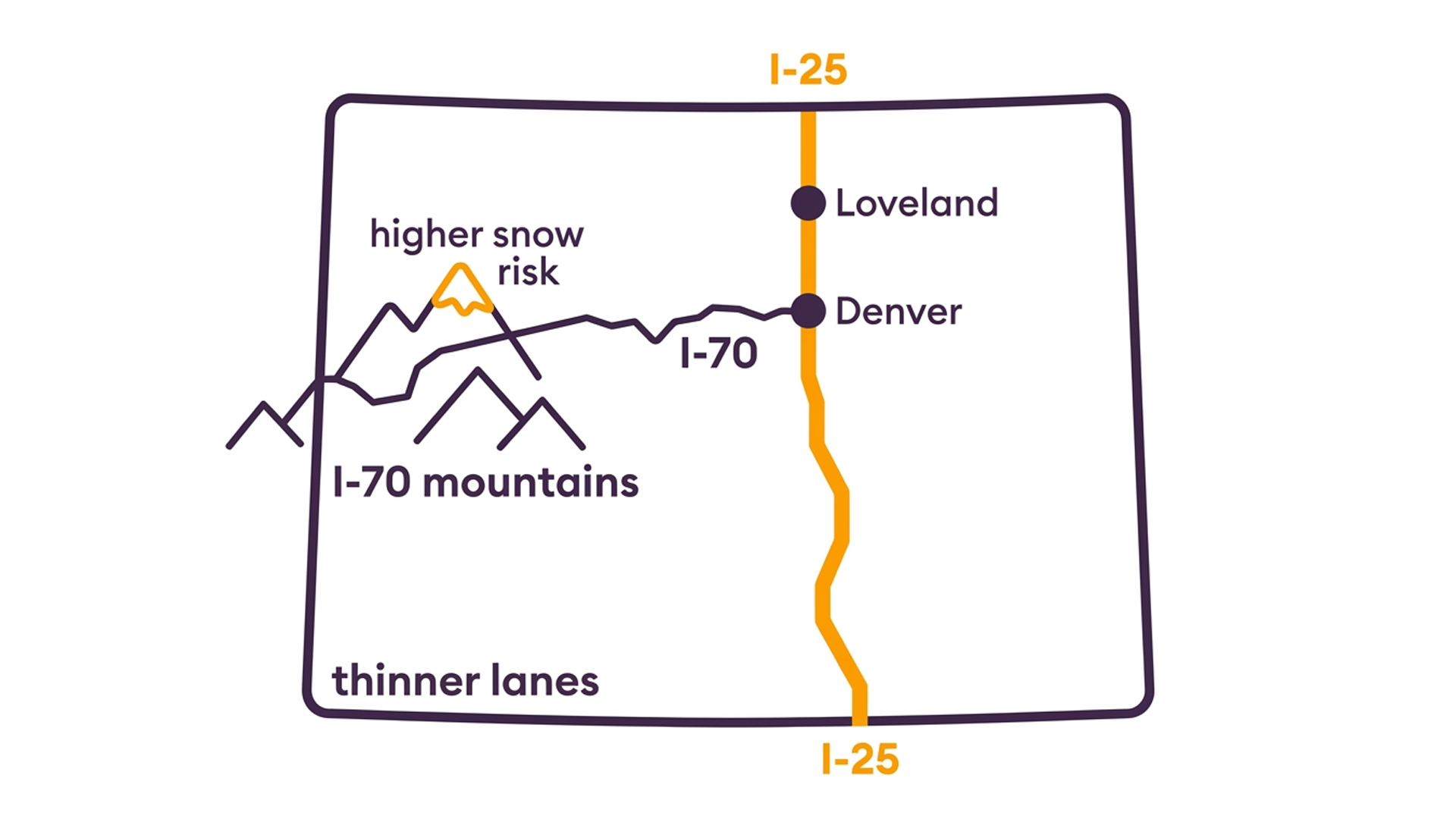
Because Colorado is a spur, not a superhighway of trucks. The densest auto transport lanes in the country run coast to coast and across the Sun Belt, and Colorado sits away from that spine. Denver and the Front Range — where I-25, I-70, and I-76 come together — form the region's carrier dense hub, and Loveland is close enough, about an hour up I-25. But "reachable through a busy regional hub" is not the same as "trucks leave for it constantly." Fewer trucks per week means your pickup and delivery windows depend on when a carrier is already running the corridor, and the enclosed with a liftgate segment is thinner still.
That's why lead time matters more for a Loveland show than for some LA to Phoenix hop. It's not that Colorado is hard to reach — it's that the right truck for a specialty car passes through less often, so you want to be on the schedule early rather than hoping one materializes on 48 hours notice.
Does September weather actually matter?
A little, and the honest answer is more nuanced than either "it'll be fine" or "watch out for snow." Down on the Front Range plains where Loveland sits, around 5,000 feet, the typical first snow doesnt show up until mid to late October — the mean date of the first fall snowfall a bit south in Colorado Springs is October 19th, so a mid September show is usually well clear of plains snow. Measurable September snow has happened on record, but it's the exception.
The risk climbs fast with elevation, though. If your car is coming from or through the high country — the Western Slope, Utah, anything riding I-70 over the passes — early fall storms up there are a real scheduling variable even when Loveland is sunny. Most cars coming in from the east or south ride I-25 or I-76 and skip the worst of it. So origin geography, not just distance, shapes how reliable the timing is. Build a little buffer and it's a footnote, not a threat.
How do insurance and the paperwork protect a show car?
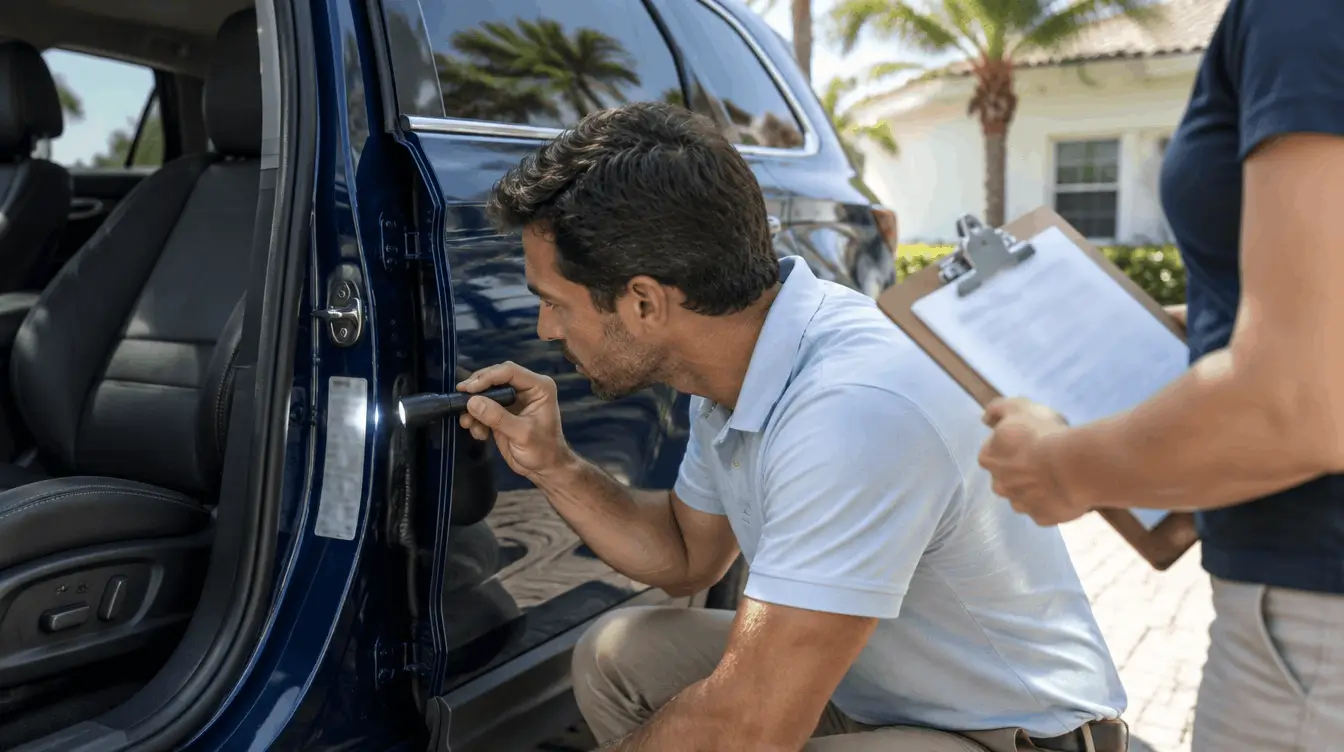
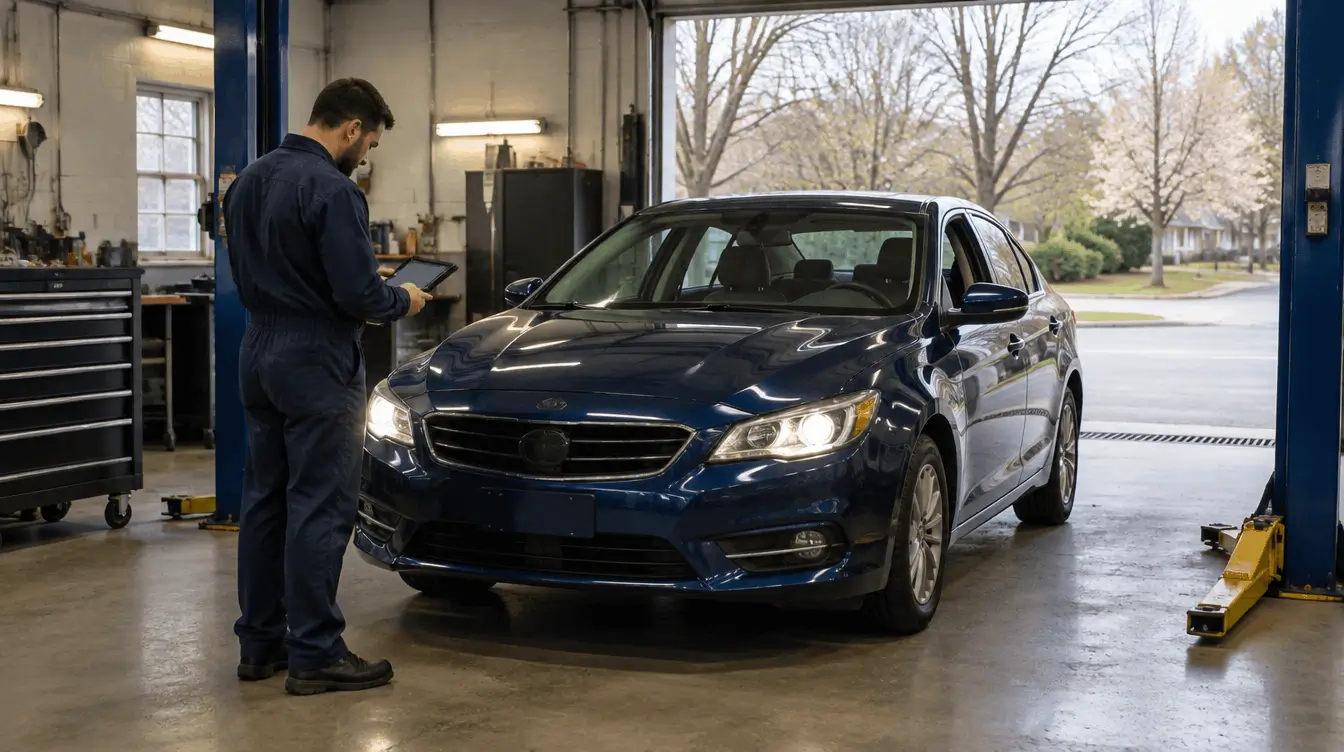
A show quality classic is worth far more than a daily driver, which raises the stakes on two boring things: coverage and documentation. A carrier cant even hold operating authority without keeping required minimum insurance on file, and a broker worth using wont dispatch a carrier without confirming its auto liability and cargo coverage are actually adequate for what your car is worth — "it's insured" is not a yes or no, it's a question of limits. The other half is the condition report and the photos at pickup and delivery. On a car like this, that bill of lading is the evidence that turns a scrape into a claim that pays instead of an argument you lose.
How does pricing really work, and why do lowball quotes fall apart?
Transport pricing isnt arbitrary and it isnt fixed in stone. Diesel is one of the biggest variable costs a carrier carries, and it moves week to week and region to region — the Rocky Mountain figure is its own number, separate from the national average. Add in season and how many trucks are running your lane, and you can see why a suspiciously cheap quote locked in months ahead so often unravels: the price the carrier needs shifts, and the lowball number stops making sense for anyone to actually haul. A quote that moves with the market is being honest with you. One that sounds too good and never changes is usually the one that evaporates a week before pickup.
Getting it right: the short checklist
Measure your clearance with the car aired out if it's on bags, and give the dispatcher that real number. Say plainly whether it runs, rolls, and steers. Hand over accurate dimensions. Book two to four weeks out or more for enclosed or specialty equipment into the Front Range. Expect delivery to a maneuverable spot near The Ranch Events Complex rather than the show field itself — a full size hauler cant thread into a packed fairgrounds, so plan the short final hop. And buffer the delivery to arrive before move in, not on it.
Do those few things and shipping to the Colorado Nationals stops being the stressful part of your show weekend. Ready to get your car to Loveland? Get a quote from Rivalane and we'll build the plan around your move in date.