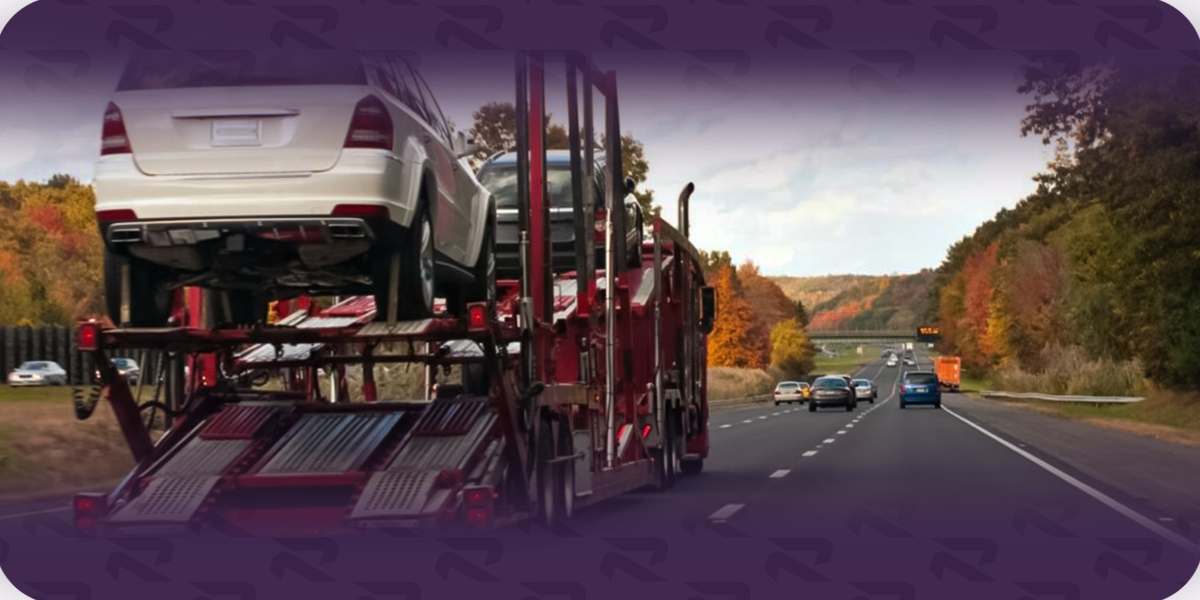
Factors That Influence Cross-Country Car Shipping Rates
The cost to ship a car cross country isn’t random, it moves based on a few real conditions you can track and plan around.
Distance and Delivery Locations
The cost to ship a car cross country changes mostly based on distance. Longer miles increase the rate. Delivery location adds another layer.
Rural areas sometimes mean a driver takes slower side roads or makes small detours to reach the final point. That can add cost.
Big city routes often run cheaper because trucks fill faster when moving between metro hubs.
Open vs. Enclosed Carriers
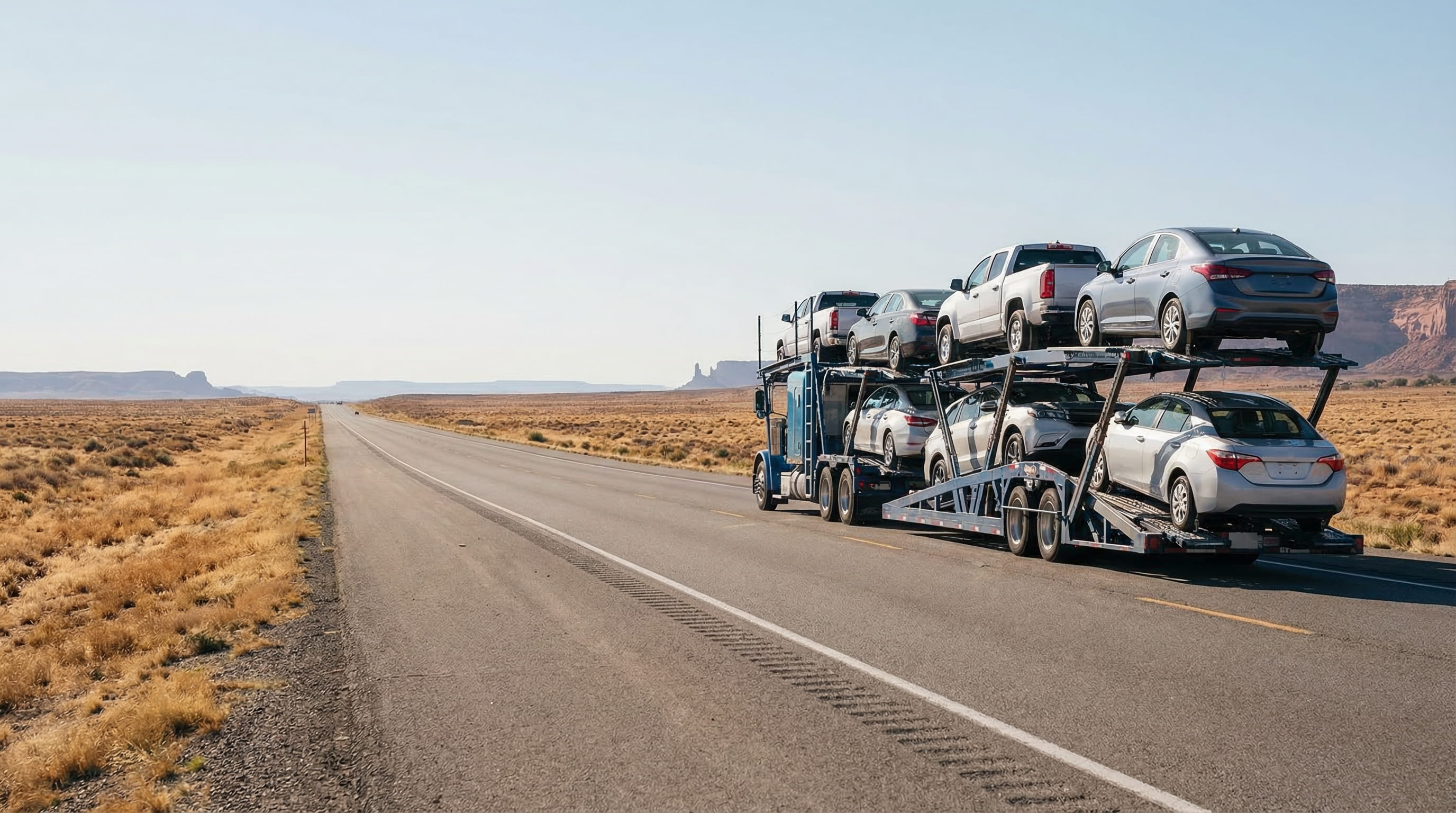
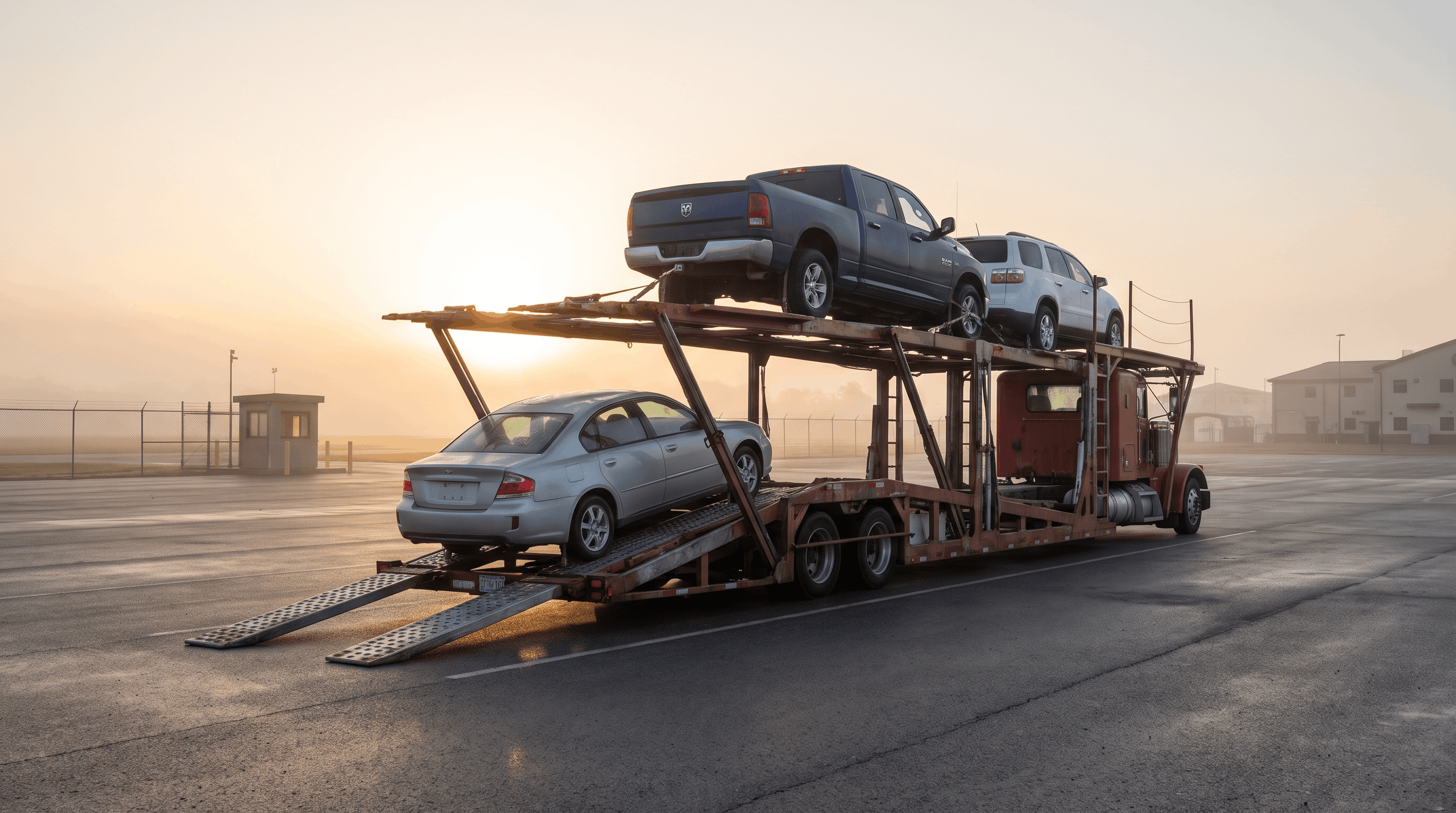
The truck type shifts the price fast. Open carriers cost less and fit most standard vehicles. They move millions of cars a year safely.
Your vehicle stays outside though. Rain, snow, road dust, small rocks; those are the trade-offs.
Enclosed trucks cost more because the vehicle is fully shielded. They’re the better choice for classic, collector, exotic, or luxury cars.
We let you choose based on budget vs. protection, without hiding either option.
Vehicle Size and Weight
Small sedans, coupes, and compact cars take less trailer space and burn less fuel. That keeps them cheaper.
Larger vehicles (SUVs, vans, trucks) use more trailer room, more gas, and more driver effort. That increases the rate.
Seasonal Demand
Seasons swing the rates hard. Summer months and January–March snowbird routes fill trucks fast. Prices climb during those windows.
Late fall and winter can run cheaper if weather stays mild along the route.
Booking outside peak weeks can save real money when timing allows it.
Speed and Custom Service Options
Tighter scheduling increases cost. Expedited pickup, priority placement, or fixed-date handling require a driver to be matched faster, on a tighter clock.
Vehicle Condition
Running cars load faster, roll easier, and fit smoother into driver schedules. That can keep rates lower.
Non-running vehicles require more time, tools, and care during loading. That increases pricing.
How Car Shipping Works Step by Step
The cost of shipping car cross country is shaped at every stage of the process. The faster you understand it, the faster you stop stressing over it.
You begin by requesting a quote. Not the kind that sounds good on paper and shifts later; an actual price-locked number, with every cost shown up front.
Next comes scheduling. Pickup and delivery timing can change the final rate more than most people expect. Door-to-door pickup is easier, no doubt about it, but terminal options sometimes cost less if your dates are flexible.
And then there’s protection. Cargo insurance is included in every quote with Rivalane.
- Transparent quote, no hidden costs
- Flexible pickup and delivery planning affects price
- Door-to-door and terminal options change the rate
- Insurance always included, no extra approvals needed

Why People Trust Rivalane For Long Hauls
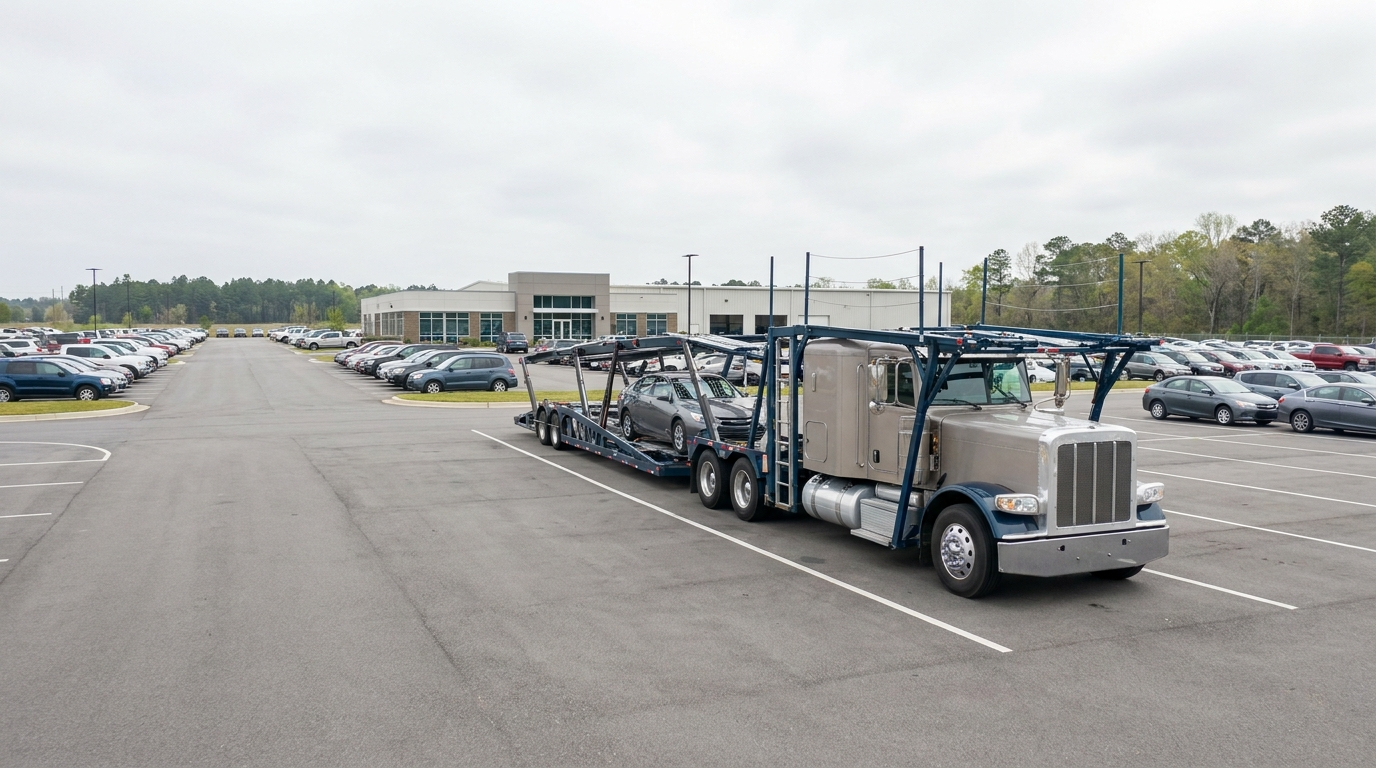
Here, we operate our own trucks and work with vetted carrier partners on high-volume long-distance routes. Every shipment is placed intentionally. We precisely verify equipment, insurance and driver history before a vehicle is dispatched.
Here’s what sets us apart:
- Reliable equipment and professional drivers
- No double-brokering, ever
- Clear, transparent pricing explained upfront
- Insurance coverage that genuinely protects your vehicle
- Strong route presence on major cross-country corridors
If you want the long drive skipped, the handoffs minimized, and the pricing explained like a real conversation, you go with the company that treats the job personally, not like a spreadsheet entry.
Because the cross-country car transport costs always feels a lot lighter when you ship with Rivalane Auto Transport.
Final Thoughts
Cross-country car transport costs are influenced by various factors, including distance, carrier type, and service speed.
By understanding these elements and working with a reputable company like us, you can enjoy a seamless and cost-effective shipping experience.
Ready to ship your vehicle? Contact us today for accurate car transport quotes and unparalleled service!
Frequently Asked Questions