Understanding Car Transport Pricing
Car transport pricing is multifaceted. Many factors influence the costs beyond just the distance involved.
While distance is a major factor, the type of transport service chosen also affects costs. Open carriers generally cost less than enclosed ones.
Insurance coverage is another crucial element. It ensures peace of mind but can add to the overall vehicle transportation cost.
Some elements commonly affecting car transport pricing include:
- Type of carrier (open vs. enclosed)
- Insurance coverage level
- Service type (door-to-door vs. terminal-to-terminal)
Additionally, booking time can influence cost. Last-minute bookings often attract premium charges.
The reputation of the shipping company also matters. Reliable companies might charge more, but they offer better assurance.
Moreover, comparing quotes from different companies can lead to better pricing. A shipping rates calculator can be useful for this.
Terms and conditions in contracts are essential. They help avoid hidden fees and unexpected expenses, further affecting pricing.
In summary, understanding these factors is vital in navigating car transport pricing effectively. Making informed decisions will help manage costs better.
Regional Shipping Rates Explained
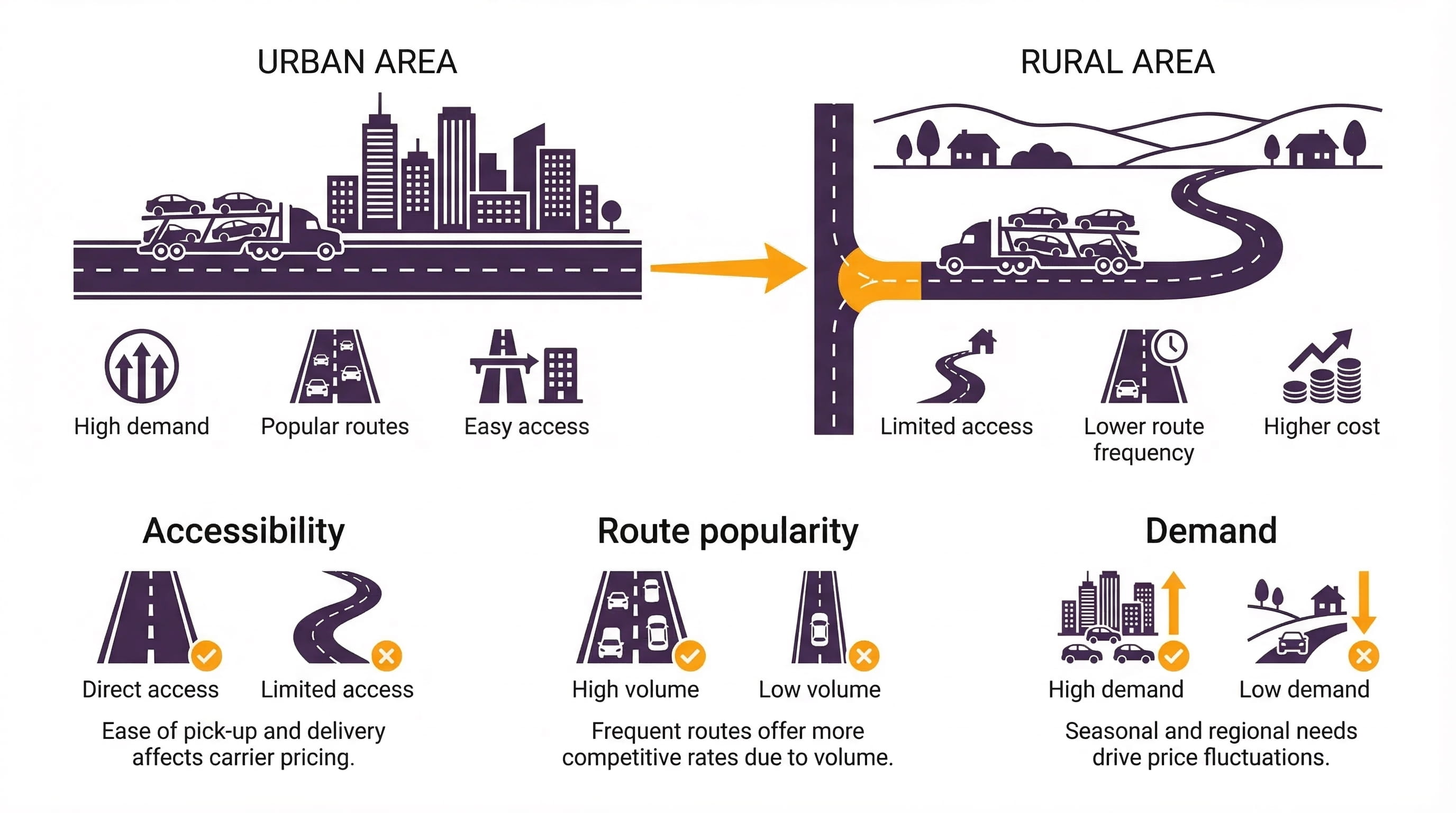
Regional shipping rates can vary widely across different geographic areas. Urban and rural locations have distinct pricing structures. Shipping from or to a bustling city may cost less due to greater accessibility and transport demand.
Rural locations, however, can be less accessible. Sparse routes and lower demand often lead to higher prices. This difference highlights the importance of understanding how location impacts vehicle shipping costs.
Several factors specific to regional shipping rates include:
- Accessibility: Easier access results in lower costs.
- Route popularity: More popular routes often cost less.
- Demand: High demand can decrease costs due to competition.
Seasonal changes also affect regional shipping rates. Peak times, such as holidays or vacation seasons, see increased pricing due to elevated demand. Conversely, off-peak times might offer more favorable rates.
By analyzing these variables, individuals and businesses can manage expenses more effectively. Considering all these elements, obtaining quotes tailored to specific routes and locations is essential for making informed decisions.
Thus, acknowledging the regional influences on vehicle transportation cost is crucial in achieving optimal car transport pricing.
The Role of Distance in Long Distance Auto Transport
Distance is a key factor in determining auto transport costs. Longer distances generally result in higher costs. This is due to increased fuel consumption, labor, and travel time.
Moreover, longer routes may require the use of toll roads or incur other fees. These costs add up, ultimately affecting the overall price. Transporting vehicles over great distances also demands more logistical planning.
For those considering long distance auto transport, the following should be kept in mind:
- Fuel costs: Longer routes use more fuel, raising costs.
- Labor expenses: Additional driver hours increase prices.
- Route planning: More complex routes may add to the price.
However, economies of scale can sometimes mitigate these costs on long routes. For instance, bundling shipments or using popular transit corridors might lead to reduced rates. It remains crucial to evaluate how distance directly influences car transport pricing. Understanding this relationship is essential for individuals planning vehicle transport over varying distances.
Cost Implications for Short vs. Long Distances
Short and long distance transport each come with unique cost implications. Short trips tend to have lower overall costs. However, per mile rates might be higher due to fixed costs.
Longer journeys, despite their higher overall cost, often benefit from reduced per mile rates. This is due to the distribution of fixed costs across a greater distance. Understanding this distinction aids in strategic planning and budget management.
Consider these aspects when evaluating costs:
- Fixed costs: Fees like loading or permits remain constant, impacting short trips more.
- Per mile rates: Typically decrease with longer distances due to scale.
- Transport duration: Longer trips require more time and fuel.
Pricing Trends Over Extended Distances
Pricing trends shift significantly over extended distances. Market conditions, fuel costs, and route complexity all play pivotal roles. Recognizing these trends can help anticipate and manage costs more effectively.
As distance grows, companies often offer different pricing structures. These may include tiered pricing or bulk rates for multi-vehicle shipments. This flexibility can lead to cost savings under the right conditions.
Key factors influencing pricing trends include:
- Market dynamics: Economic changes affect shipping demand and pricing.
- Fuel volatility: Fluctuating fuel prices can alter costs dramatically.
- Route analysis: More popular routes often offer better pricing options.
Customers benefit from tracking these trends and comparing multiple quotes. Comprehensive understanding aids in identifying cost-saving opportunities.
Utilizing a Shipping Rates Calculator
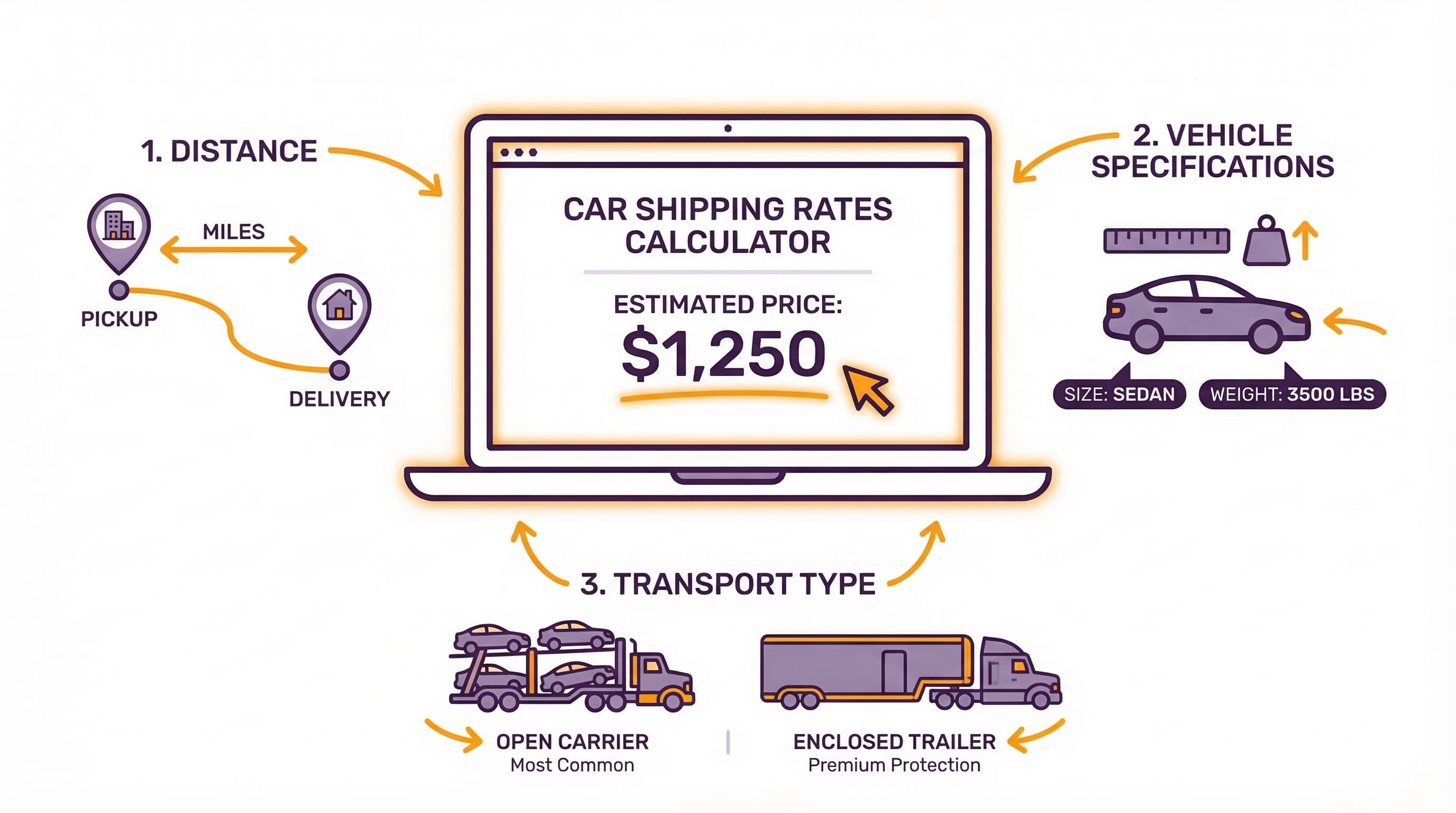
Shipping rates calculators are valuable tools for estimating transport costs. They allow users to enter details such as vehicle type, distance, and desired shipping method. This provides a quick and accurate cost estimate.
These calculators consider various factors to provide relevant pricing. Users benefit from inputting multiple variables to receive tailored estimates. However, it's crucial to remember that these are just estimates and may not reflect final pricing.
When using a shipping rates calculator, consider these key inputs:
- Distance: Longer trips generally incur higher costs.
- Vehicle specifications: Size and weight affect pricing.
- Transport type: Choice between open or enclosed carriers impacts the cost.
It's recommended to compare estimates from multiple sources for accuracy and that will help in understanding potential pricing variations and avoiding surprises.
Factors Influencing Vehicle Transportation Cost
Various elements play a significant role in determining the cost of vehicle transportation. One of the primary factors is the type of service chosen, such as open or enclosed transport. The choice impacts the level of protection and price.
Moreover, the vehicle’s size and weight are crucial. Larger or heavier vehicles demand more resources, increasing the transportation cost. Services for oversized vehicles may have additional charges due to specialized equipment requirements.
Additional considerations include the condition and operability of the vehicle. Inoperable cars require special handling, thus raising the overall cost. Shipping companies often need special equipment for loading and unloading inoperable vehicles.
A complete list of cost influencers includes:
- Transport method: Open vs. enclosed carrier.
- Vehicle size and weight
- Vehicle condition: Operable vs. inoperable.
- Insurance coverage options
- Distance: Overall mileage and route complexity.
Vehicle Type and Condition
The type and condition of a vehicle significantly affect transport costs. Different vehicles, like luxury or classic cars, require unique transport methods and insurance. Such needs can lead to higher expenses.
For instance, shipping a non-operational car often demands a premium. These vehicles require winching or other specialized handling. This can increase labor costs, influencing overall pricing.
Key considerations based on vehicle type and condition include:
- Luxury or classic status: Impacts insurance and handling needs.
- Operability: Non-operable cars usually incur higher fees.
- Size: Larger vehicles, such as trucks or SUVs, might cost more to ship due to space constraints.By knowing these specifics, vehicle owners can plan accurately. This knowledge helps in selecting appropriate services and avoiding potential surcharges.
Seasonality and Market Demand
Seasonality and market demand also influence vehicle transportation costs. During certain times of the year, demand for car shipping spikes. This often happens during summer and early fall.
High demand typically results in increased shipping rates. Companies may raise prices due to limited availability and increased operational costs. Conversely, rates might drop during off-peak seasons.
Notable seasonal and market factors include:
- Peak seasons: Summer and fall often see higher demand.
- Off-peak periods: Lower demand can mean reduced rates.
- Market fluctuations: Pricing shifts due to economic conditions.
Being aware of these trends can aid in timing shipments cost-effectively. Planning transport during off-peak months can yield significant savings.
Pickup and Delivery Locations
Pickup and delivery locations are crucial for estimating transportation costs. Urban areas often have better access and higher demand for shipping services. These factors can lead to competitive pricing.
In contrast, shipping vehicles to or from rural areas might incur additional costs. The accessibility and road conditions in such regions can complicate transport. Fewer carriers operate in these areas, influencing supply and demand dynamics.
Key location-based factors include:
- Urban vs. rural: Urban areas generally have competitive rates.
- Accessibility: Easy access can lower transportation costs.
- Route popularity: Popular routes may offer lower pricing due to increased carrier availability.
Tips for Managing Costs Based on Distance
Managing car shipping costs involves strategic planning and informed decision-making. Understanding how distance affects pricing is the first step. It allows you to evaluate and compare different transport options.
Engage with multiple car shipping companies to obtain quotes and negotiate prices. Competition is often fierce, and some companies offer better deals for specific routes. A little research can go a long way in reducing expenses.
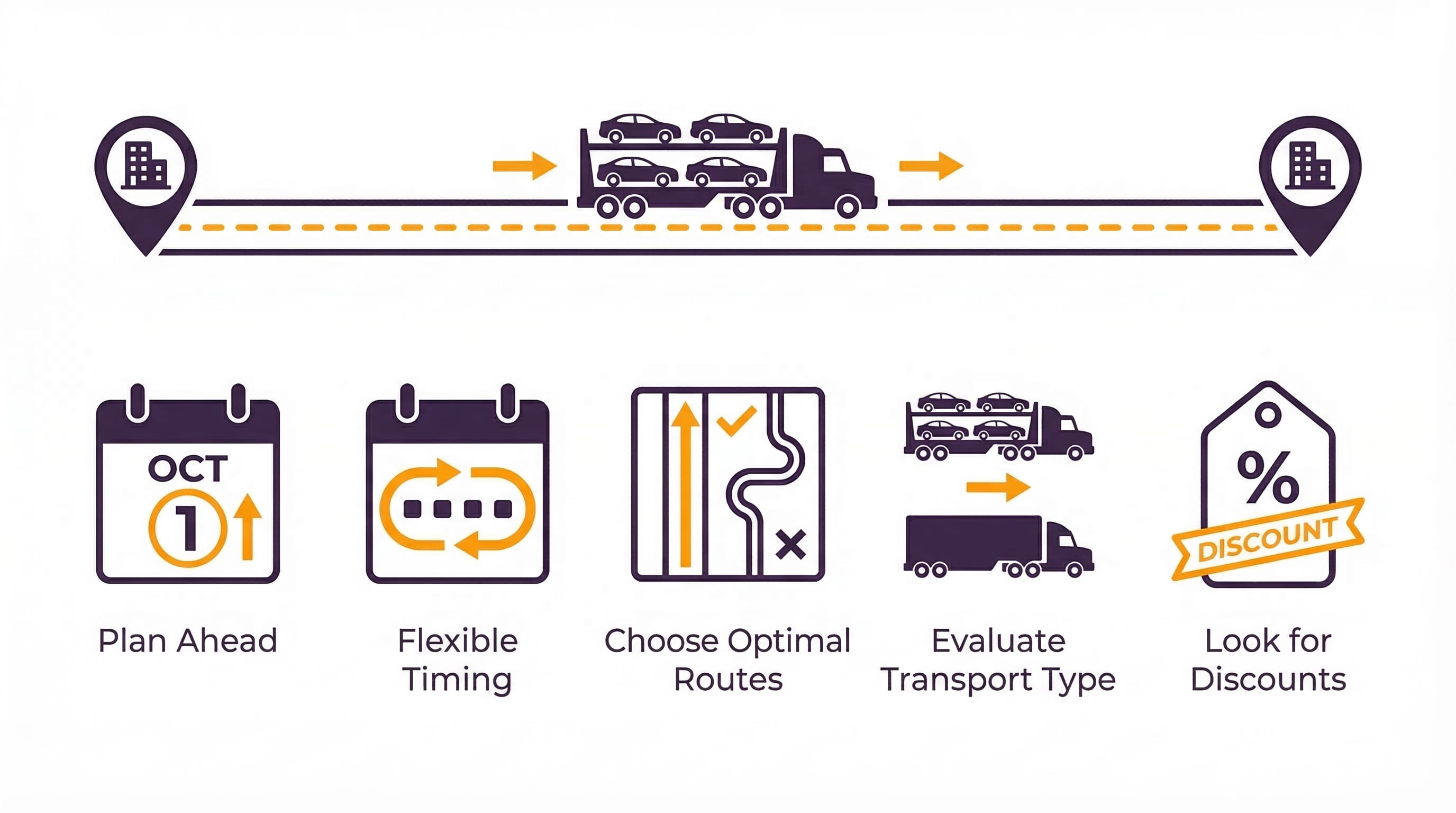
To efficiently manage costs, consider the following strategies:
- Plan ahead: Early bookings often lead to lower prices.
- Flexible timing: Adjust shipping dates to off-peak periods.
- Select optimal routes: Choose more direct routes where possible.
- Evaluate services: Weigh pros and cons of open vs. enclosed transport.
- Leverage discounts: Inquire about available promotions or discounts for military, students, or bulk shipments.
Conclusion
Understanding how distance influences car shipping costs helps you plan more confidently and avoid surprises when arranging vehicle transport. While mileage is an important factor, it works alongside other elements such as vehicle size, route demand, pickup location, and seasonal carrier availability.
When you’re aware of how these variables shape shipping quotes, it becomes much easier to budget realistically and compare options. Taking the time to research routes, review transport methods, and communicate clearly with carriers can often uncover opportunities to reduce costs.
Ultimately, informed decisions lead to smoother shipments. By approaching car shipping with the right expectations and a clear understanding of pricing factors, you can choose the most practical solution and ensure a more predictable, stress-free transport experience.
Frequently Asked Questions