1. Check the FMCSA Record First
Before choosing an auto transport company, verify their credentials with the FMCSA. The Federal Motor Carrier Safety Administration oversees the safety of motor carriers. They provide a wealth of information you need to assess a company's validity.
Start by visiting the FMCSA's SAFER Company Snapshot. There, you can enter the company's USDOT number, MC number, or name to access their record. This information lets you verify if the company is authorized for interstate transport and assess their safety rating.
When reviewing the FMCSA record, note the company's operating status and any recorded crashes or violations. A high number of incidents could signal potential reliability or safety issues. The FMCSA website also shows if a company is a broker or a carrier, which is crucial to understand.
Look for these details on their FMCSA listing:
- USDOT and MC numbers
- Operating authority status
- Safety ratings
- Insurance details
Companies must have an active USDOT and MC number to operate legally. If these numbers are missing or inactive, proceed with caution.
2. Confirm If They’re a Broker or Carrier
Understanding whether an auto transport company is a broker or a carrier is essential when choosing the right service. Brokers act as intermediaries, arranging transport through a network of carriers, while carriers own the trucks and handle the transportation directly.
To identify which one you’re dealing with, ask the company directly and confirm their status through their FMCSA listing. This will clearly show whether they operate as a broker, a carrier, or both.
Each option comes with its own advantages. Brokers typically offer more flexibility, a wider range of options, and can often secure competitive pricing by working with multiple carriers. However, communication may be less direct since they coordinate between you and the driver.
Carriers, on the other hand, provide direct communication and clearer updates about pickup and delivery. That said, they may have more limited availability and fewer scheduling options depending on their fleet and routes.
The distinction affects pricing, scheduling, and who stays accountable if something goes wrong. Our guide to the difference between an auto transport broker and a carrier explains how each model works and how to confirm which one you are booking.

3. Compare Reviews Across Platforms
Before choosing an auto transport company, check reviews across multiple platforms to get a balanced perspective. Relying on a single source can lead to a misleading impression, especially if reviews are biased or filtered.
Use platforms like Google Reviews, Yelp, and the Better Business Bureau to evaluate customer experiences. Look for consistent patterns rather than isolated opinions. Detailed reviews often reveal more about reliability, communication, and service quality.
Focus on key factors such as:
- Overall customer satisfaction
- Responsiveness to complaints
- Timely delivery of services
- Damage claims or issues reported
Avoid relying on overly positive or overly negative reviews without context. Instead, identify recurring themes across different sources. Companies with consistent feedback across platforms tend to be more transparent and dependable, making them a safer choice for auto shipping.
4. Verify Insurance Coverage
Insurance coverage is crucial when shipping your car. Before booking, verify the auto transport company's insurance details.
Understand the auto transport insurance requirements for your specific situation. Inquire directly with the company about the type and extent of their coverage. Legitimate companies should provide a certificate of insurance upon request.
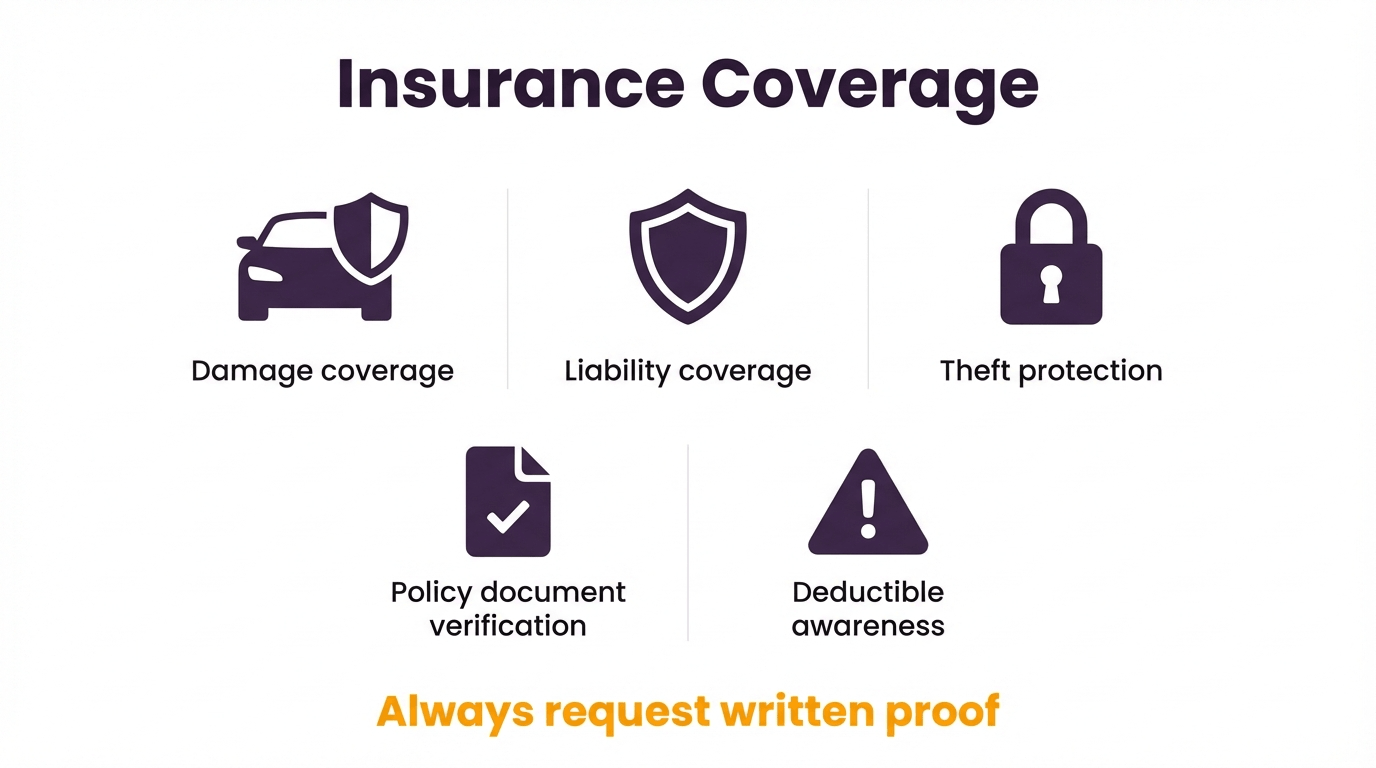
Know the different types of coverage available, such as:
- Comprehensive damage coverage
- Liability coverage during transit
- Coverage for theft or vandalism
Make sure the policy covers your vehicle from pickup to delivery. Check if there are any deductible amounts you may be responsible for in case of a claim.
Don't rely solely on verbal confirmations. Request written documentation for all insurance promises made.
Ask if additional insurance is available for purchase if their policy doesn’t meet your needs.
5. Evaluate the Quote Carefully
When evaluating an auto transport quote, take a detailed approach. A tempting low quote can sometimes signal a car shipping scam. Scrutinize every detail and understand what the quote includes and excludes.
Start by comparing the price to industry standards. If the quote seems unusually low, question why. A low price often indicates potential corners cut, which could affect service quality. Seek clarity on whether the quote covers all routes and fees.
Look into the components of the quote, such as:
- Base transportation cost
- Fuel surcharges
- Tolls and taxes
- Insurance fees
Ask the company to break down these elements for complete transparency.
Finally, consider the flexibility and payment options offered. Legitimate auto shipping companies often provide multiple payment methods and only require partial payment upfront.
6. Check for a Real Business Presence
A legitimate auto transport company should have a tangible business presence. Start by verifying their physical address. Ensure it aligns with the one listed on their website and other official materials. If the company lacks a confirmed address, this could be a warning sign of fraud.
Next, explore their online presence. A credible company should have a professional website with detailed service information. This site should include contact details, customer testimonials, and information about their services. Watch out for inconsistencies, broken links, or vague service descriptions.
Furthermore, contact information should be easily accessible and diverse, including:
- A valid phone number
- An email address
- Active social media profiles
Call the number to make sure someone answers professionally. Social media activity can reveal how the company interacts with clients and addresses issues. Companies without a responsive communication style may fail to provide satisfactory customer service.
Lastly, check if the company is registered with the Better Business Bureau (BBB). BBB registration demonstrates a commitment to resolve complaints and offers an objective assessment of their reputation.
7. Review Documents Before Pickup
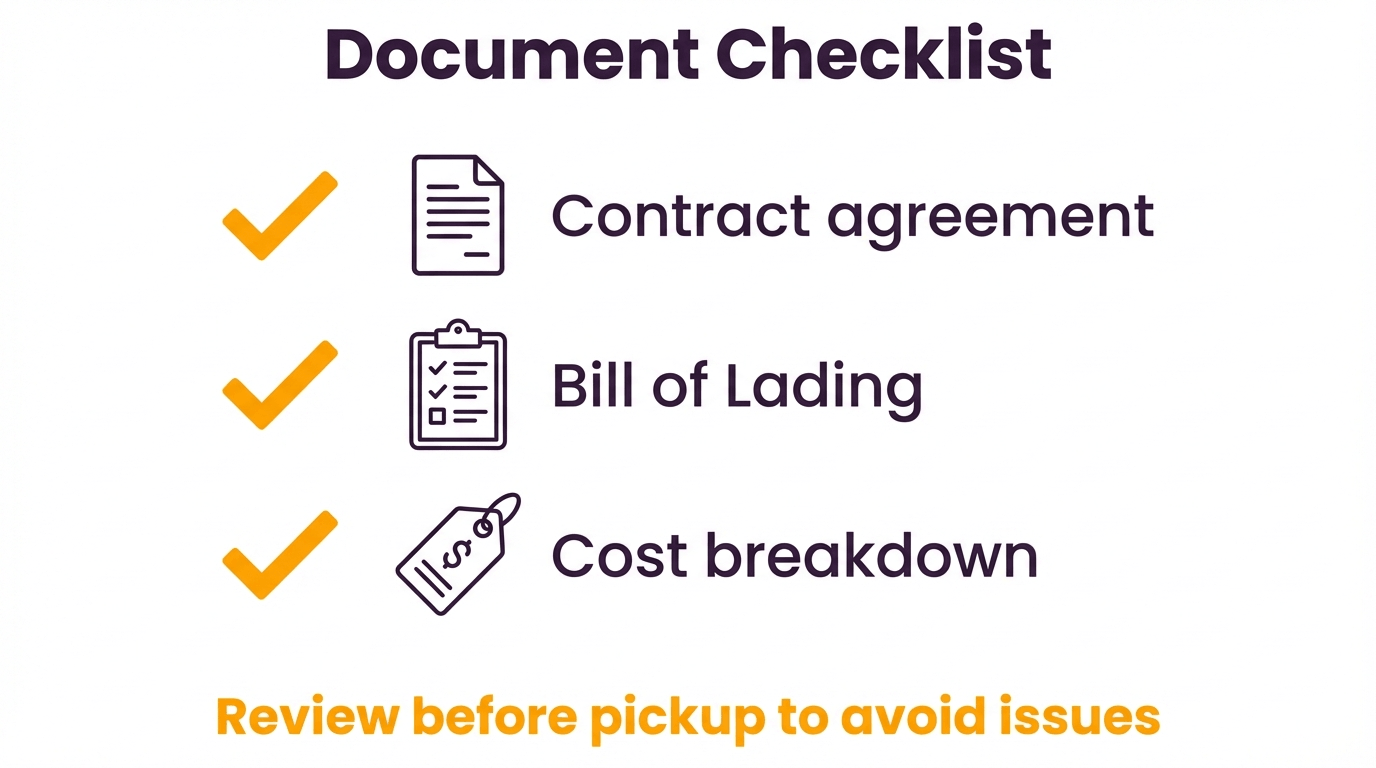
Before your vehicle is transported, carefully review all provided documents. These typically include the contract, a Bill of Lading, and terms of service. The contract should clearly detail the scope of services, costs, and any conditions. Don't hesitate to ask questions if any part of the agreement is unclear.
The Bill of Lading is particularly important as it functions as a receipt and details the vehicle's condition prior to shipping.
Here’s a checklist for document review:
- Signed contract with detailed terms and conditions
- Bill of Lading with accurate vehicle condition
- Complete breakdown of costs and fees
Taking the time to review these documents carefully protects you from disputes after your vehicle is picked up.
Watch for Common Red Flags
Staying vigilant for common red flags can save you from potential pitfalls in auto transport. One clear warning sign is an unrealistically low price quote. If a company's offer is significantly lower than others, it might be a scam or could indicate hidden fees.
Another key red flag is a demand for full payment upfront. Legit auto shipping companies typically require partial payment or a deposit rather than the entire amount before services are rendered. Be alert for companies that apply high-pressure sales tactics, urging you to make quick decisions.
Here's a list of red flags to watch for:
- Prices that seem too good to be true
- Full payment required before service
- Lack of proper contact details or physical address
Final Check Before Booking
Before you book, conduct a final check to make sure the company meets all your criteria. Start by revisiting their registration and insurance details and confirm everything is valid and up to date.
Next, review customer feedback across multiple platforms. Look for consistent patterns in positive experiences, as well as how the company responds to complaints. This often reflects how they handle issues during the shipping process. If you are not sure what to raise on that first call, our list of questions to ask an auto shipping company before booking covers the ones that expose how a company really works.
Finally, go through the contract carefully and make sure all services, costs, and responsibilities are clearly outlined. Taking a few extra minutes here can prevent misunderstandings later.
At Rivalane, we always recommend this final step because it gives you full clarity before moving forward.
Frequently Asked Questions