Is the Quote All-Inclusive or Just a Starting Price?
A price on its own says very little. What matters is how that number comes together and, more importantly, when it can shift. Some quotes stay fixed from the start. Others begin low and adjust later once a carrier steps in. That gap often creates frustration.
Because of that, push for detail early. Ask how payments work, when money changes hands, and what situations affect the total.
At Rivalane, we walk through the full pricing structure before scheduling, so expectations stay aligned. In addition, the right company explains adjustments calmly instead of brushing them off.
Pricing points that should already be clear:
- Carrier pay and scheduling commitment
- Fuel or route-related changes
- Pickup or delivery access challenges
- Timing shifts that influence cost
What Type of Transport Is Best for My Vehicle?
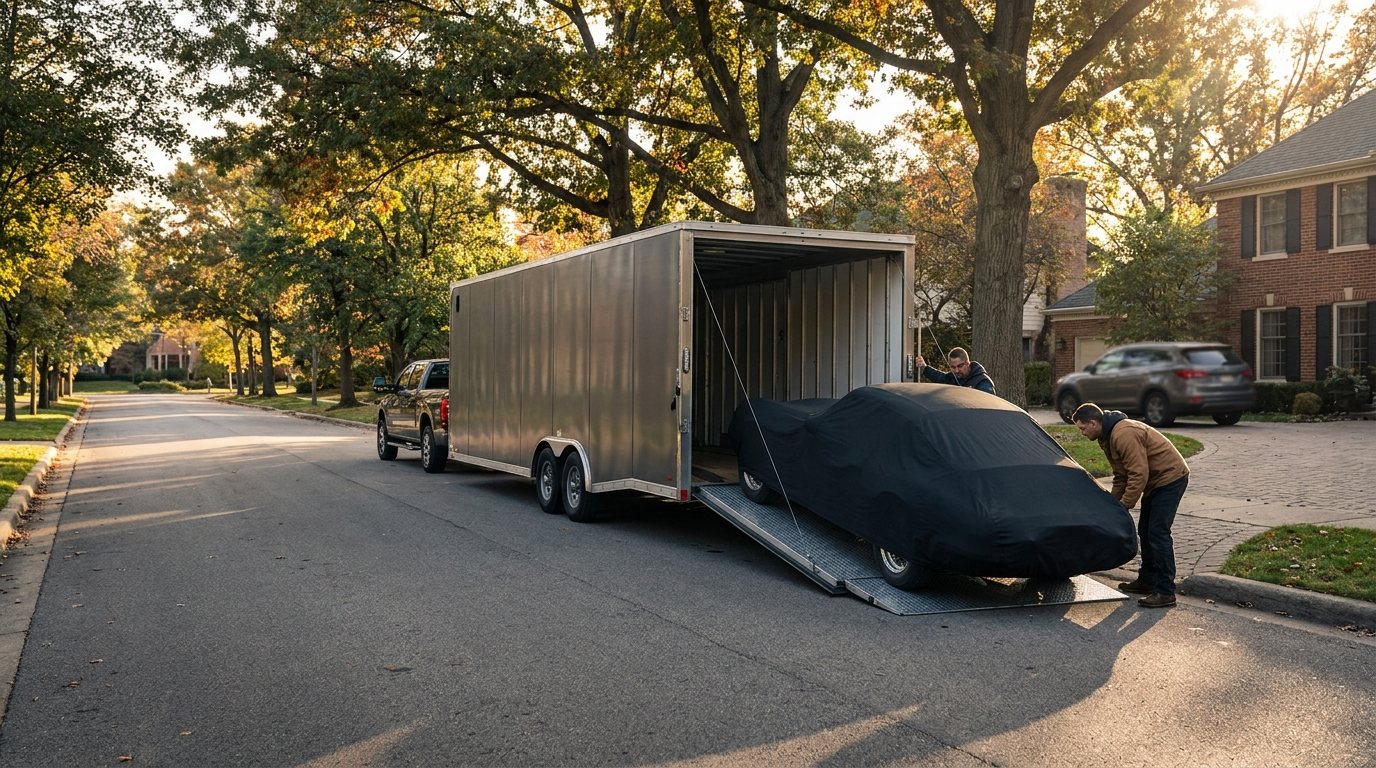
Not every vehicle needs the same level of protection. In most cases, open transport handles standard cars efficiently and keeps costs under control. However, enclosed transport adds real value for high-end, classic, or sensitive vehicles where exposure matters.
What matters just as much is how the recommendation gets made. A reliable auto shipping company asks the right questions first.
We look at vehicle condition, value, and clearance before suggesting a service, not after. As a result, the transport choice fits the car instead of the sales goal. When explanations feel grounded and specific, confidence follows naturally.
How Do Pickup and Delivery Actually Work?
This part surprises people the most. Pickup and delivery sound simple until a truck meets a narrow street, a low bridge, or a tight schedule.
Door-to-door service means the carrier gets as close as legally and safely possible, not that a truck blocks traffic in front of your house. Most of the time, that works smoothly. Sometimes, a nearby meeting point makes more sense.
Timing matters just as much. Pickup happens within a window, not at an exact hour. Flexibility helps here.
A good company explains access limits early and adjusts the plan instead of forcing a bad setup. Clear expectations prevent last-minute stress, and that is exactly what you want on moving day.
What Insurance Coverage Is Included With the Shipment?
Insurance should never feel vague. Every legitimate carrier carries cargo insurance, but coverage details vary more than people expect. Ask what the policy covers, what it excludes, and how claims work if something goes wrong. Silence or hesitation here is a warning sign, not a small oversight.
This question becomes even more important if you need to transport non running car or ship a high-value vehicle. Some situations require additional coverage, and a serious company explains that upfront.
The difference shows quickly. Reliable providers talk through protection calmly and clearly. Risky ones rush past it.
What Timeline Should I Realistically Expect?
Timelines cause more anxiety than pricing. Pickup rarely happens at a single, exact hour. Instead, it falls within a window that allows the carrier to route efficiently. Transit time comes next, and that depends on distance, traffic, and weather. Long routes move fast once loaded. Short ones can take longer than expected.
Exact delivery dates sound nice, but they often create false confidence. Reliable companies talk in ranges and stay in touch when things shift. Delays happen on the road. What matters is how quickly you hear about them and what gets done next. Clear communication keeps frustration low and trust intact.
How Do You Vet Carriers and Handle Problems?
This question separates surface-level operations from real professionals. When something changes mid-transport, you want systems in place, not excuses.
Carrier Screening and Licensing
Every carrier should hold active FMCSA registration and valid cargo insurance. That is non-negotiable. A company that skips verification puts your vehicle at risk. Proper screening protects you long before pickup, and it should happen on every shipment, not just the easy ones.
Communication During Transit
Silence creates stress. Updates should come from one clear point of contact, not a trail of voicemails. Whether shipping with a broker, a private carrier, or even comparing options like american auto shipping, consistent communication shows control. You should always know who to call and what stage your vehicle is in.
Handling Delays or Damage
Problems do not define a company. Responses do. A reliable auto shipping company steps in fast, explains the situation plainly, and outlines the next move. Accountability matters here, because once your car is on the truck, actions speak louder than promises.

How to Use These Answers to Choose the Right Auto Shipping Company
Each question works on its own, but together they tell a much bigger story. Pricing shows honesty. Transport recommendations reveal experience. Pickup, delivery, insurance, and timelines expose how a company actually operates once the sale ends. Patterns matter here, not perfect answers.
Clear explanations signal professionalism. You hear it in the confidence of the response. You feel it when details come without hesitation or pressure. That consistency separates careful operators from rushed ones. Good companies educate. Weak ones deflect.
When the answers feel specific, calm, and grounded in real process, the decision becomes easier. At that point, you are not guessing anymore. You are choosing based on clarity. That is how most people end up working with the best auto shipping company for their needs.
Final Thoughts
Choosing an auto shipping provider should never feel like a gamble. Over time, we have seen how the right questions change the entire experience, from smoother pickups to clearer timelines and far fewer surprises. At Rivalane, we regularly speak with customers who arrive after a frustrating first attempt elsewhere. Once expectations are set correctly, everything starts to move with purpose.
More importantly, strong answers build confidence step by step. When pricing makes sense, timelines stay realistic, and insurance details remain clear, decisions stop feeling rushed. Consistency across all five questions signals professionalism, not luck. As a result, stress drops and trust takes its place.
Ultimately, clarity leads the way. If you want direct answers and a team that treats your vehicle with real care, reach out and request a tailored quote based on your route, timing, and vehicle needs
Frequently Asked Questions