Pricing and Factors of Car Shipping Cost Per Mile
The cost to ship a car per mile varies significantly due to multiple factors. Grasping these factors helps you anticipate pricing changes.
Several elements can affect the final shipping cost:
- Distance covered
- Vehicle size and weight
- Transport type (open or enclosed)
Understanding Car Shipping Costs
Understanding car shipping costs is vital for informed decision-making. Whether shipping across the state or country, prices vary widely.
Key factors include:
- Distance: Longer trips generally offer lower cost per mile.
- Vehicle type: Larger or heavier vehicles cost more to ship.
- Transport type: Open transport is typically cheaper.
By analyzing these factors, you can budget accurately. These insights help avoid unexpected expenses when arranging transport.
What is Car Shipping?
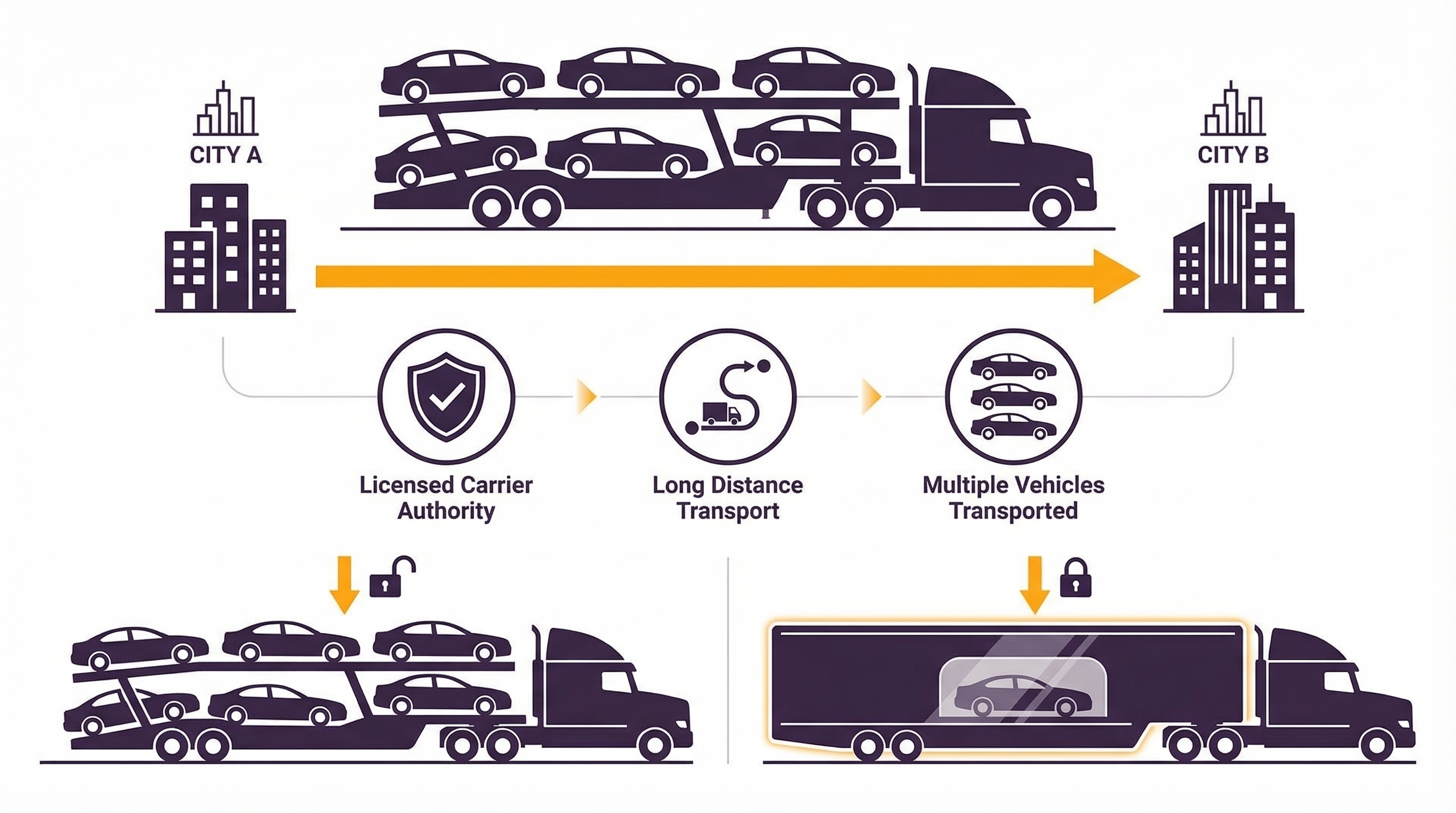
Car shipping refers to the professional transportation of vehicles using specialized carrier trailers. Licensed carriers move vehicles between cities, states, or across the country.
Most vehicles travel on open multi-car carriers, which are designed to transport several vehicles at once. These trailers dominate the industry because they allow carriers to operate efficiently across long routes.
However, enclosed trailers are also available. These carriers provide additional protection from road debris and weather conditions. As a result, they are commonly used for luxury, exotic, or classic vehicles that require extra care during transport.
Importance of Cost Metrics
Cost metrics are key to understanding shipping expenses. They allow you to measure and control costs effectively.
Important metrics include:
- Cost per mile
- Total transport cost
- Additional services fees
Calculating Car Shipping Cost per Mile
Understanding how to calculate the car shipping cost per mile helps create more realistic transport budgets. Most quotes are based on a combination of distance, vehicle specifications, and the level of service requested.
In practice, the total shipping price is divided by the route distance to determine the cost per mile to ship a car. However, this number can shift depending on route demand, carrier availability, and the type of transport equipment used.
For a quick estimate, many customers rely on the cost calculator. These tools combine route distance with vehicle details and current market conditions to produce an approximate shipping rate.
How to Use an Auto Transport Cost Calculator
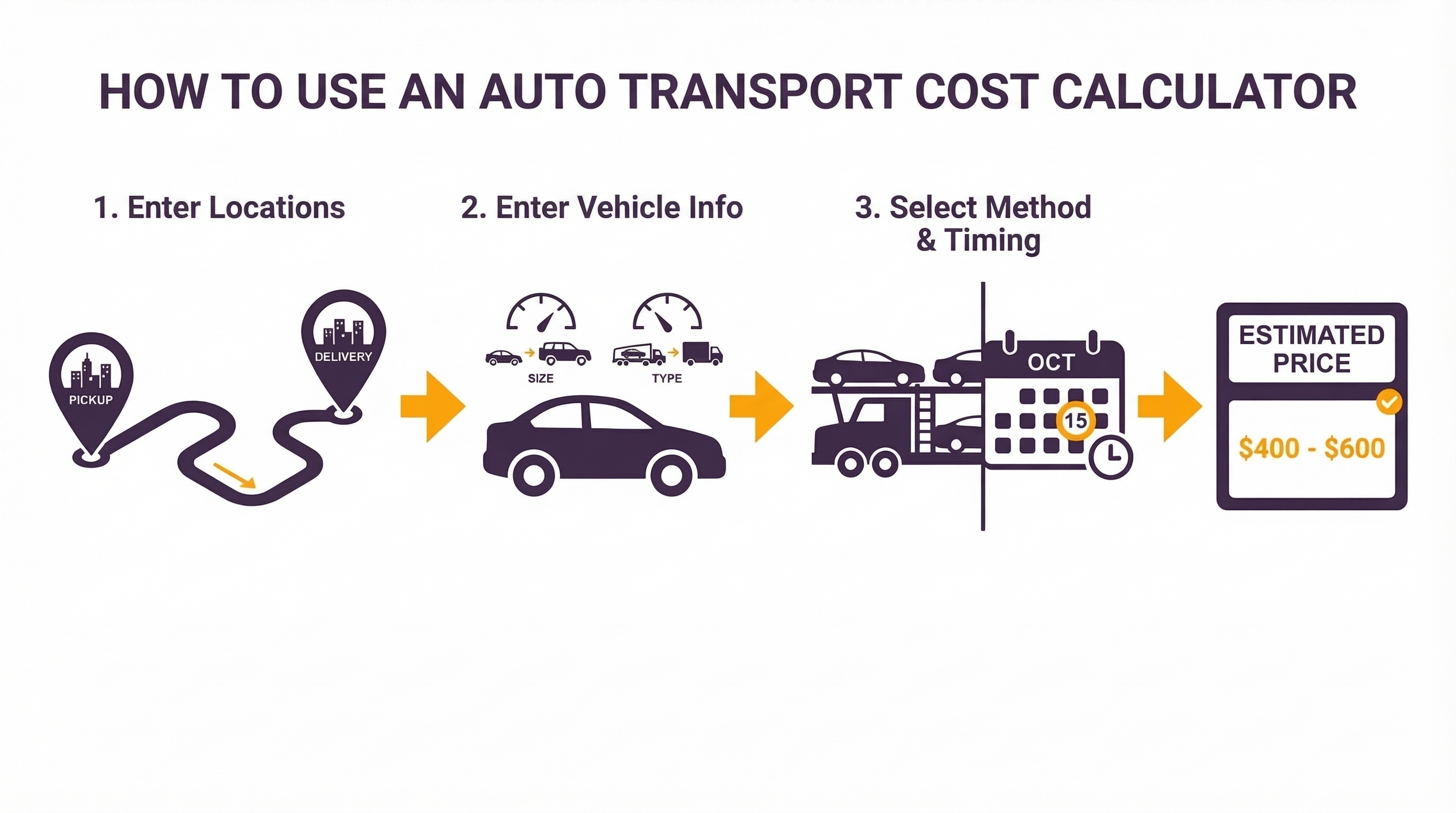
A car shipping calculator helps estimate shipping costs before requesting a formal quote. To begin, you enter the pickup and delivery locations so the system can calculate the transport distance.
Next, you provide information about the vehicle, including its size and type. Larger vehicles typically cost more to ship because they take up more trailer space and add extra weight.
Finally, you select the transport method and preferred pickup timeframe. Once these details are submitted, the car transport calculator generates an estimated price range that reflects typical market conditions.
Factors Influencing Cost per Mile
Several factors influence the cost per mile for shipping. These include not only distance but also other variables.
Consider these aspects:
- Seasonal demand
- Fuel prices
- Route popularity
Average Costs to Ship a Car
The total price to ship a vehicle depends on several practical factors, with distance usually forming the base of most quotes. Carriers often use mileage-based pricing to estimate the average cost to ship a car per mile across different routes.
Generally, longer shipments reduce the per-mile rate because carriers spread operating costs over more distance. Shorter trips may have higher per-mile pricing even if the total shipment cost is lower. Transport type also plays a role. Open carriers move most vehicles in the U.S., while enclosed transport offers added protection and typically increases the overall price.
Vehicle characteristics influence pricing as well. Larger SUVs, trucks, or modified vehicles take up more trailer space and may increase the shipping rate. Vehicle condition can also affect costs if special loading equipment is required.
Typical price differences often come down to a few factors:
- Distance and route demand
- Transport type, such as open or enclosed carriers
- Vehicle size, weight, and operating condition
Looking ahead, the average car shipping cost per mile 2025 open transport will likely continue shifting with fuel prices, route demand, and broader logistics trends.
Seasonal Variations in Shipping Costs
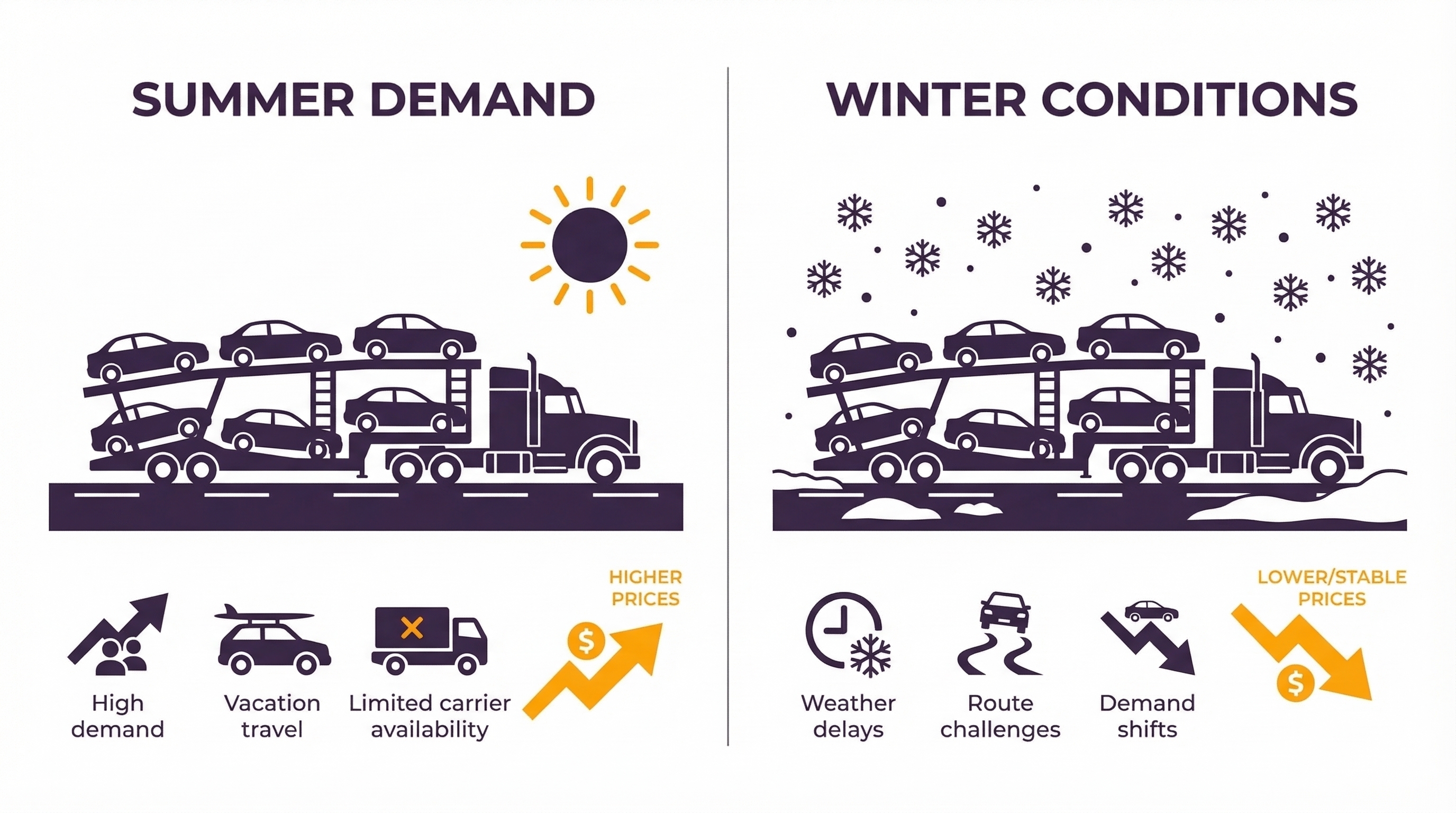
Seasonal shifts often influence vehicle transport pricing. Demand for carriers rises and falls throughout the year, and those changes can affect the car shipping cost per mile on many routes.
For example, periods with high relocation activity usually bring stronger demand for carrier space. As a result, transport quotes may increase slightly during peak seasons. In contrast, slower periods sometimes create more flexibility in pricing.
Weather conditions can also affect logistics. Route delays, driver availability, and regional demand all play a role in shaping the average cost to ship a car per mile at different times of the year.
Summer Pricing Trends
Summer often sees a rise in car shipping demand. This peak season typically results in higher costs.
Factors contributing to increased summer pricing:
- Higher demand
- Increased travel for vacations
- Limited carrier availability
Winter Price Fluctuations
Winter can bring different cost implications for car shipping. Factors include weather and logistical challenges.
Main winter influences on pricing:
- Weather delays impacting schedule
- Possible cost increases due to demand shifts
Real-World Examples
Real-world examples provide practical insights into car shipping costs. These examples clarify potential expenses and scenarios.
Understanding real-world quotes:
- Cross-country moves illustrate cost range
- Variations by vehicle type demonstrate price differences
Examining these helps inform consumer choices.
Sample Quotes from Various Locations
Sample quotes help visualize shipping costs and often vary considerably depending on locations and distances.
Consider these examples:
- Los Angeles to New York: approximately $1,200
- Miami to Chicago: roughly $1,000
These illustrate typical costs for major routes.
Breakdown of Costs for Different Vehicle Types
Vehicle type plays a crucial role in determining shipping costs. Breaking down these costs highlights key differences.
For example:
- Sedans are generally cheaper to transport
- SUVs incur higher fees due to size and weight
Cross-country car shipping with Rivalane: seven real 2026 routes, quoted the same day on the same car. Longer routes cost more in total but less per mile.
Frequently Asked Questions
How much does car shipping cost per mile?
What factors affect the cost per mile to ship a car?
How do you calculate car shipping cost per mile?
Is it cheaper to ship a car long distance or short distance?