The Role of Auto Transport Brokers
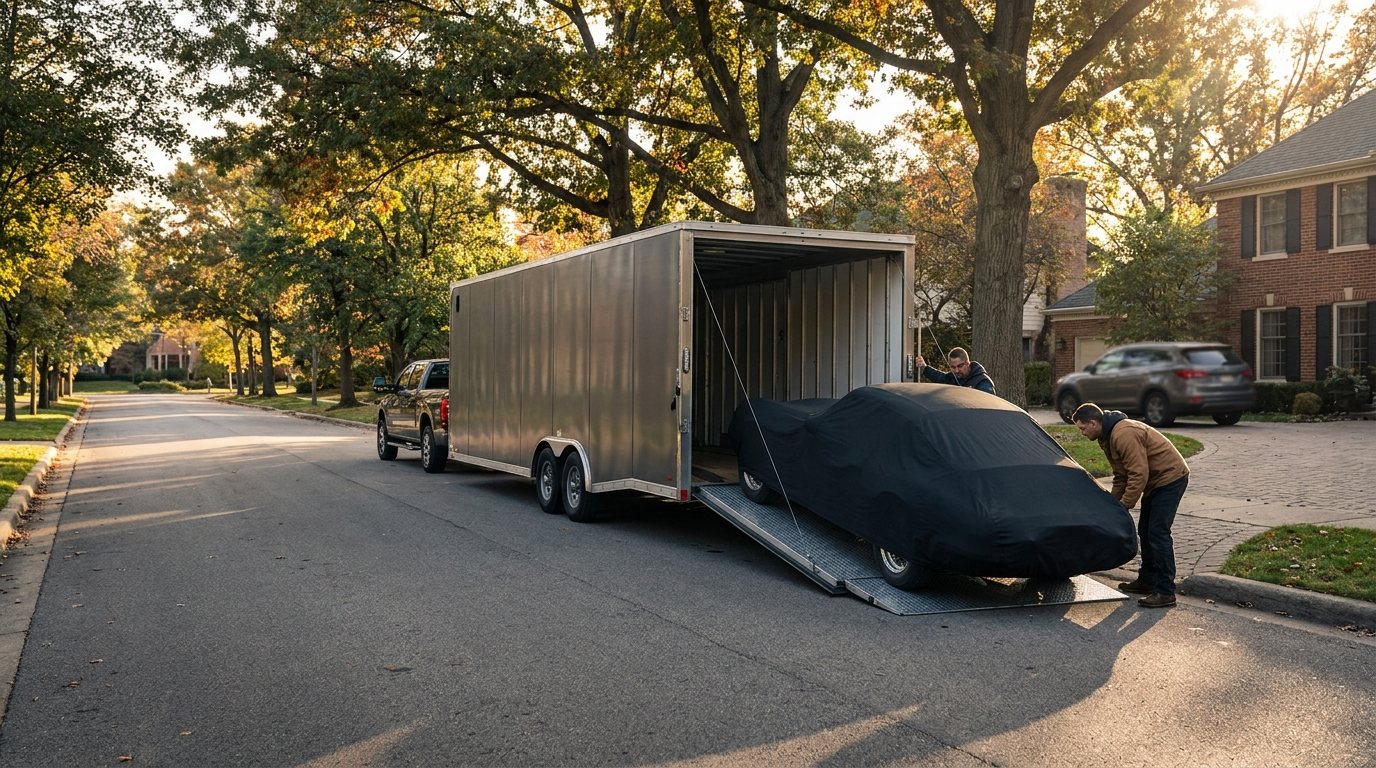
Auto transport brokers serve as a bridge between customers and carriers. They are experts in logistics, guaranteeing each vehicle arrives safely and on time. These brokers manage complex logistics, freeing customers from the hassle of managing transport details.
Key responsibilities of auto transport brokers include:
- Negotiating competitive freight rates.
- Coordinating pick-ups and deliveries.
- Vetting carriers for reliability and safety.
Brokers bring valuable experience to the table. Their industry connections help secure the best options for vehicle shipments, enhancing the efficiency of the assignment process.
Understanding Their Function in Carrier Assignment
Auto transport brokers are important in assigning carriers efficiently. They assess factors like route, vehicle type, and customer preferences. Their insights guarantee the right carriers are chosen for each job.
The Importance of Freight Rate Negotiation
Negotiating freight rates is a critical task for brokers. This process impacts costs and ensures competitive pricing. Successful negotiation requires understanding market trends, assessing seasonal demand and balancing cost with quality of service.
With these skills, brokers help optimize transport budgets while maintaining high service standards.
Transportation Management Software
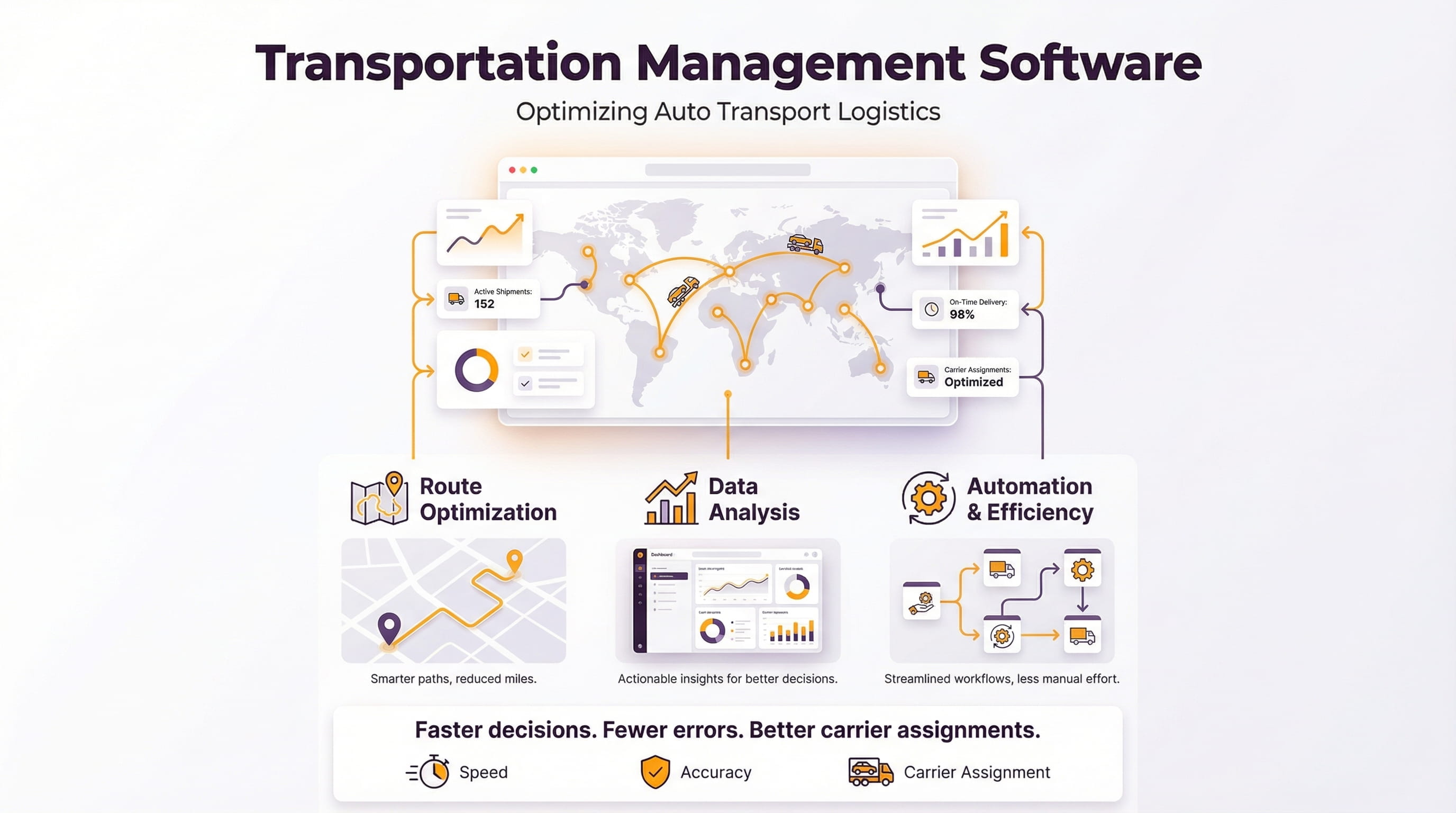
Transportation management software is a game-changer for auto transport logistics. It analyzes vast amounts of data to optimize carrier assignments. With its help, logistics teams can make informed decisions quickly.
Key benefits of transportation management software include:
- Improved route optimization.
- Enhanced data analysis capabilities.
- Streamlined operations and communications.
The software reduces human error and increases efficiency, leading to better outcomes in vehicle transportation. Carriers are assigned more effectively, thanks to automated processes.
How Technology Streamlines Carrier Assignment
Technology transforms how carriers are assigned, automating complex tasks. It considers variables like distance, vehicle type, and delivery timelines. This reduces inefficiencies and boosts overall assignment success.
Features to Look for in Software Solutions
When choosing software, prioritize user-friendly features. These tools should offer:
- Real-time data updates.
- Integration with shipment tracking solutions.
- Comprehensive analytics for decision-making.
Shipment Tracking Solutions
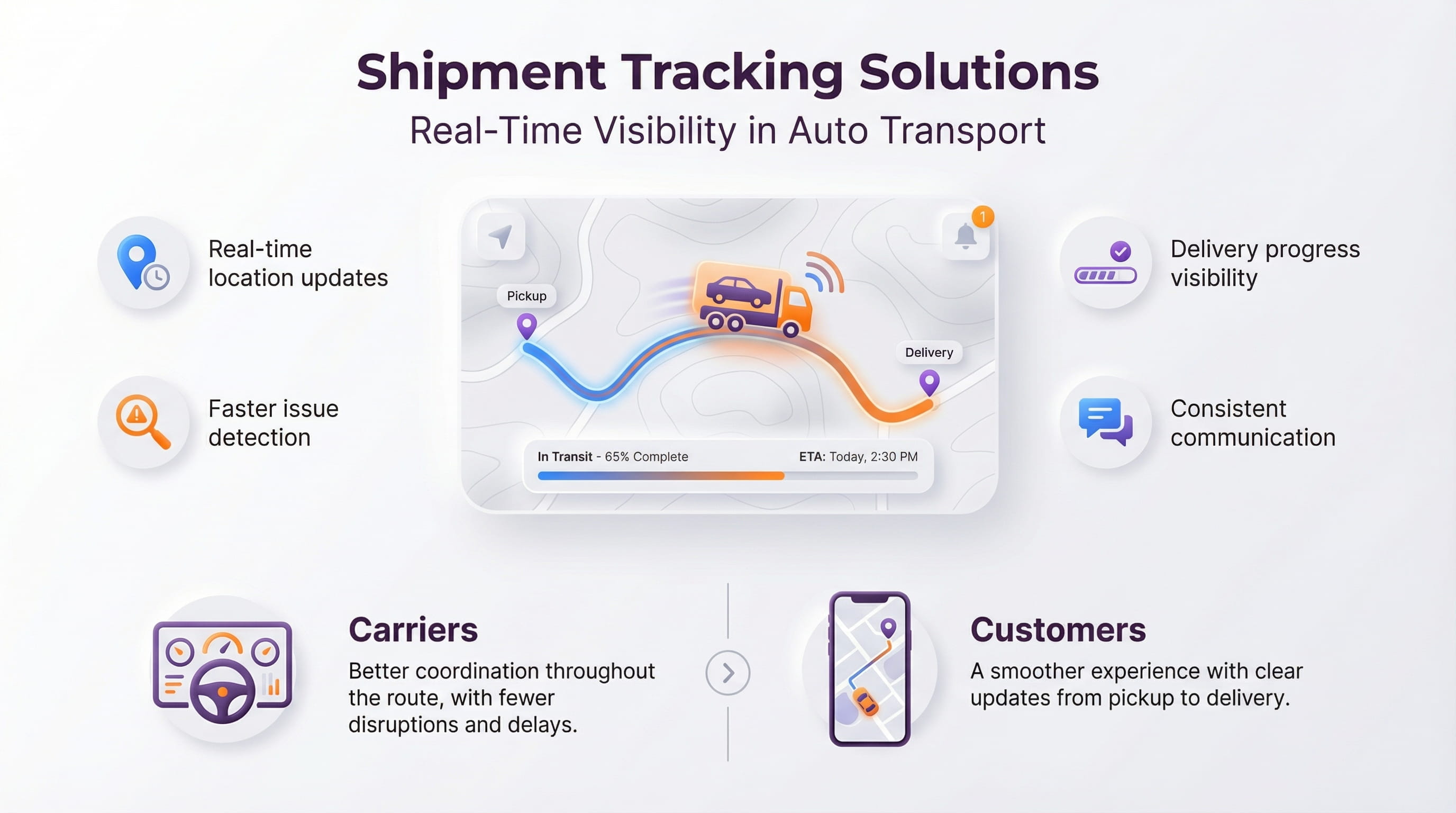
Shipment tracking solutions play a key role in auto transport. They provide real-time updates on vehicle location and delivery progress, so there’s no uncertainty for customers or dispatch teams.
Instead of relying on manual check-ins, everyone involved can follow the shipment as it moves. As a result, communication stays consistent, and any delays can be noticed early and handled faster.
Carriers
Customers
Better coordination throughout the route, with fewer disruptions and delays.
A smoother experience with clear updates from pickup to delivery.
Real-Time Tracking and Its Impact on Assignment
Real-time tracking shapes carrier assignment by offering accurate location data. It helps coordinate logistics, ensuring vehicles follow the optimal routes without delays.
Benefits for Shippers and Carriers
Both shippers and carriers gain from tracking solutions. They benefit by:
- Receiving timely information.
- Reducing delays and disruptions.
- Increasing decision-making processes.
Conclusion
Car carrier assignment follows a structured process shaped by data, timing, and coordination. Freight rate negotiation, route planning, and shipment tracking solutions all work together to move vehicles from pickup to delivery in an organized way.
Auto transport brokers bring industry knowledge and strong carrier networks, while transportation management software supports faster, data-driven decisions. Together, they keep operations aligned and responsive as conditions change.
At Rivalane, we combine hands-on coordination with the right logistics tools to make carrier assignment clear and predictable. From the first quote to final delivery, you stay informed and in control of your shipment.
Frequently Asked Questions