Why Do Car Shipping Costs Vary So Much?
The prices for car shipping feel unpredictable because the process itself never follows a single script. One route flows smoothly. Another hits tight access, low carrier availability, or sudden demand. That difference alone can shift a quote fast. Add timing into the mix and the gap grows even wider. Some weeks attract trucks easily. Others force carriers to cherry-pick only the best-paying loads.
This is where car transport pricing confuses people. Two shipments look similar on paper, yet the market treats them very differently. Once you understand that pricing reacts to real-world conditions, not guesswork, the swings start to make sense.
What Are the Biggest Factors That Affect Car Shipping Prices?
Distance sets the foundation, but it does not tell the whole story. Longer routes often lower the cost per mile, while shorter trips carry higher base expenses. Vehicle size matters too. Larger or heavier cars limit carrier capacity and push prices upward.
Timing plays a major role. High-demand periods tighten availability and raise rates quickly. Route demand follows the same logic.
Popular corridors attract competition. Less traveled paths cost more. Access also counts. Easy pickup locations help drivers stay efficient. Difficult access slows them down and raises the price. Together, these factors decide whether a quote stays reasonable or jumps higher than expected.
How Can You Save Big on Car Shipping Costs Without Sacrificing Reliability?
Cutting costs does not mean gambling with your car. The real wins come from smart choices, not shortcuts. When you understand how carriers plan routes and accept loads, the path to lower prices becomes clear fast. Some decisions feel small. They are not. One change can drop a quote more than expected. This is where people finally save money on car shipping without regret.
Does Booking Early Really Lower Car Shipping Costs?
Yes, and here is why it matters. Early requests give carriers room to plan. Trucks fill routes with balance instead of urgency. Prices stay calm. Wait too long and the market tightens. Fewer trucks. More competition. Rates climb fast. Early timing does not lock you into a bad deal. It opens the door to better ones before pressure takes over.
How Does Flexibility With Pickup and Delivery Reduce Costs?
Rigid locations force drivers into inefficiency. A little flexibility changes everything. When carriers reach easy access points, routes stay clean and miles stay tight. That saves time. That saves fuel. Those savings pass straight into your quote. Even small adjustments can flip an expensive route into a workable one. This is where smart planning pays off loud and clear.
Can Shipping Multiple Vehicles Help You Save?
Absolutely. One car fills space. Two cars create value. Carriers prefer full loads because profit stays predictable. Discounts follow logic, not luck. When vehicles move together, coordination improves and costs drop. The bonus? Fewer moving parts and one clear delivery plan.
What Is the Cheapest Way to Ship a Car?
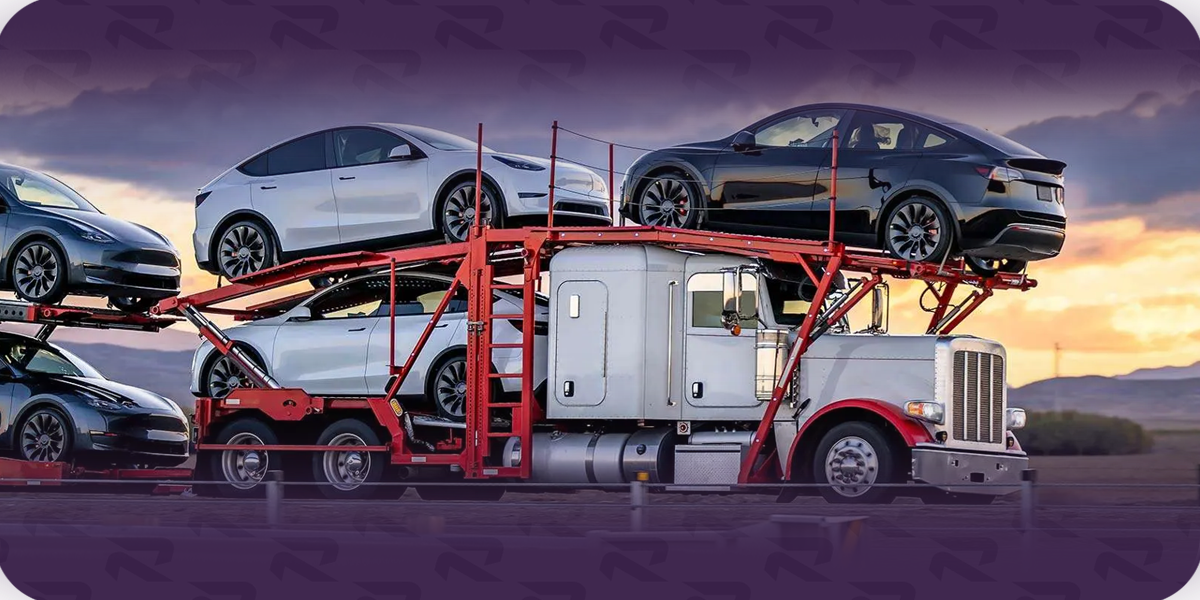
Open transport usually wins on price. It moves more vehicles at once and keeps costs shared across the load. Enclosed options add protection, not savings. For most standard cars, open transport delivers the best balance. It works. It stays efficient. And it keeps your budget intact.
Is It Cheaper to Drive or Ship a Car Long Distance?
At first look, driving feels cheaper. Gas looks manageable, hotels optional and time barely gets counted. Then the miles add up, fuel costs climb, meals stack, or maybe tires wear down. A long drive quietly drains more than expected. Shipping often flips that math.
This is where people start to save big on car shipping costs without realizing it. The value comes from protecting your time, your car, and your energy. Long distance moves reward efficiency, not endurance.
When Is the Best Time of Year to Save on Car Shipping?
Timing shifts prices more than most expect. Summer pushes demand high. So do holidays and seasonal relocations. Trucks fill fast and rates follow. Off-peak months change the tone completely. Late fall and early spring slow the market. More trucks compete for fewer loads. Prices relax.
How Do You Avoid Hidden Fees While Looking for Cheap Car Shipping?
Low quotes catch the eye fast. However, that is often where trouble begins. A price looks attractive at first, then extra charges appear later. Storage fees show up. Access issues trigger add-ons. Suddenly, the deal no longer feels cheap. Transparency changes that outcome. Clear pricing explains what is included upfront and what situations may raise the cost later. Nothing comes as a surprise.
At the same time, preparation plays a quiet but important role. A ready vehicle keeps the schedule intact, while delays often lead to added fees.
Insurance also deserves attention. Skipping it may feel like a shortcut, yet one problem can erase any savings. When these pieces work together, people naturally save money on shipping car moves by avoiding issues before they grow.
Final Thoughts: How to Save Big on Car Shipping Costs the Smart Way
In the end, savings come from awareness, not guesswork. Timing sets the tone. Flexibility opens better options. The right transport choice keeps costs balanced. Preparation prevents last-minute surprises. Each decision builds on the next.
Once these elements align, the process feels calmer and far more predictable. Instead of reacting to prices, you guide them.
That shift makes all the difference. Smart planning leads to lower costs, fewer headaches, and a shipping experience that feels under control from start to finish.
Frequently Asked Questions