What Affects the Price When You Ship a Car Cross Country?
The cost to ship a car cross country is shaped by a set of pricing variables, each one changing the way carriers quote and schedule the trip.
Distance and Route Difficulty
Mileage remains the most influential factor in pricing because longer travel means more road time, fuel use, and driver labor. A move such as Los Angeles to Miami stretches roughly 2,700 miles and receives a lower price per mile compared to shorter but complex routes.
Shipping Nashville to rural Montana can cost more per mile due to mountains, limited access, and extra detours.
Whenever a carrier must navigate small towns, tight roads, or weather-prone regions, those challenges are built into the final quote.
Open vs. Enclosed Transport
Open carriers load 7–10 vehicles at a time, which keeps pricing more efficient and practical for standard moves. A typical Toyota Camry shipped cross country on an open trailer stays within a budget-friendly range.
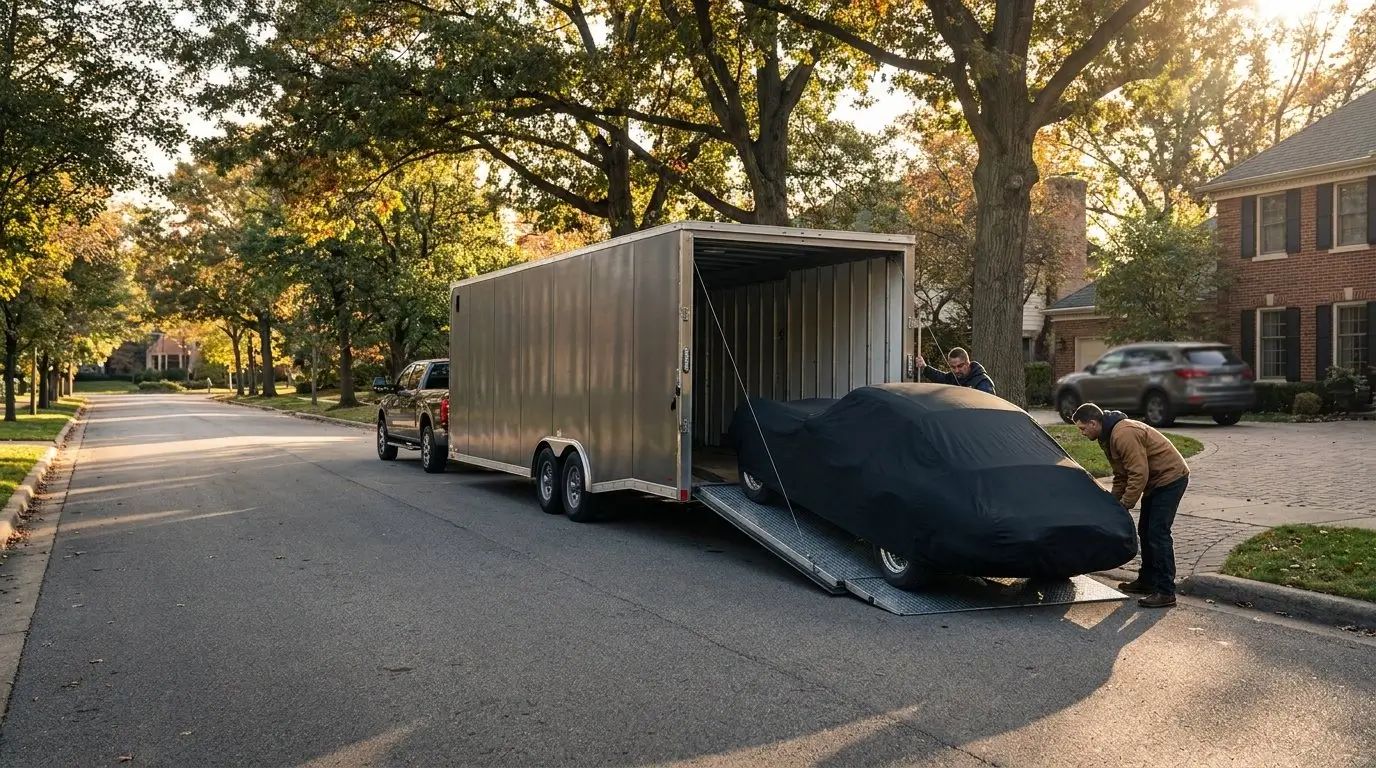
Enclosed trailers limit capacity to 1–6 vehicles for added protection, raising pricing by 30–50%.
Owners of Porsche 911s, Corvettes or freshly restored classics often choose enclosed options to protect specialty finishes and low-clearance designs throughout the cross-country journey.
Seasonal Demand and Market Timing
Transport peaks follow population movement and weather patterns. Summer relocations, holiday moves, and snowbird routes from New York to Florida command higher pricing because trucks fill quickly.
Routes calm down in April or early October, producing noticeably better offers. Customers who can adjust timing away from peak seasons usually receive stronger prices without changing anything else.
Vehicle Size, Weight, and Condition
Vehicle dimensions determine how many units fit on each trailer. A full-size Chevy Suburban often costs more than a Honda Civic over the same cross-country path because the SUV takes more deck space and influences weight distribution.
Non-running vehicles also add cost. A classic Mustang that won’t start requires winching and manual positioning, which creates extra work for the carrier and affects the rate.
Pickup and Delivery Locations
High-traffic metro areas such as Phoenix, Dallas or Atlanta allow faster truck assignments and lower costs.
Carriers already operate daily through these regions. Moves ending in small mountain towns, coastal villages, or remote farmland introduce routing delays and fuel surcharges.
For example, Phoenix to Boston stays economical, while Phoenix to a secluded Vermont village can become noticeably higher despite a similar total distance.
Fuel Prices and Carrier Availability
Shifting diesel costs, logistics conditions, and national truck volume influence pricing each week.
A route like Chicago to San Diego stays affordable when several carriers are available, but quotes increase during shortages or industry demand spikes.

How Much Does It Cost Based on Distance?
The cost to ship a car cross country changes primarily with mileage. Longer trips raise the overall total, though the price per mile typically goes down as distances increase.
Here’s a table so you can approximately know:
Pricing varies based on carrier availability, chosen transport type, and how easy it is to reach both locations. Routes that stay on major interstates generally stay closer to the lower end of each range, while rural pickups or snow-season travel push costs upward.
Which Transport Option Is Best for Your Budget?
Your cross country car shipping cost depends heavily on the service level you choose.
Below are the options that you can choose:
Open Transport
Most customers select open carriers because they deliver the lowest overall pricing. Trucks carry 7–10 vehicles at once, reducing the cost per car on long-distance trips.
A standard sedan shipping a car cross country from Chicago to San Diego typically stays within the most affordable range using this method. Open transport works well for daily drivers and vehicles already used to outdoor exposure.
Typical Cost Impact: Lowest price option, often 30–40% cheaper than enclosed.
Enclosed Transport
Enclosed trailers protect vehicles from weather, road debris, and visibility, which raises the rate compared to open carriers. Owners of luxury models, freshly restored classics, and low-clearance sports cars often prefer this upgrade.
Moving a Porsche 911 from New York to Los Angeles inside an enclosed trailer costs more but keeps the finish pristine during long travel days.
Typical Cost Impact: Premium protection at 30–50% higher pricing.
Standard vs. Expedited Delivery
Standard delivery provides the best balance of price and timing because carriers combine multiple shipments on a single trailer.
Expedited delivery costs more, since a driver may reroute or dedicate space to move faster.
A tight deadline (like a job relocation with a firm arrival date) often makes expedited worth the extra fee, even on a 2,000-mile route.
Typical Cost Impact: Expedited delivery adds 20–40% depending on timing and distance.
What Is the Cheapest Way to Ship a Car Across the Country?
If your goal is to keep pricing low, flexibility makes a major difference. When you give carriers a few extra days to schedule pickup, they can load your vehicle on a route they already plan to run.
That alone reduces the cost to ship a vehicle cross country compared to last-minute requests. You can also ask to meet the carrier in a larger city or near a busy interstate, since avoiding remote detours prevents extra fuel and labor charges.
Timing plays a large role, too. Booking in early spring or mid-fall often leads to noticeably better quotes because trucks stay less crowded during those periods.
Families shipping more than one vehicle on the same route usually receive a reduced rate per car, especially on long interstate relocations. Finally, choosing open transport keeps cheap car transport realistic for everyday vehicles already used to outdoor conditions.
When several of these decisions line up, long-distance shipping remains affordable without lowering service quality.
How Long Does Cross-Country Car Shipping Take?
Most cross-country transports arrive within the following time frames:
- 7–12 days for coast-to-coast shipments
- 5–8 days for long routes that stay on major highways
- Extra days when drivers must reach rural or weather-prone areas
Timing depends on how far the vehicle travels and how easily drivers access both locations. A full New York to Los Angeles route often reaches the upper end of the range, while Dallas to Phoenix usually moves faster thanks to direct interstate access. Weather patterns, traffic slowdowns, and remote towns can extend delivery time when a truck must leave well-traveled lanes.
If you need your car for a specific date, expedited service speeds things up. You invest more, but you receive priority loading and a tighter schedule.
When you allow a bit of flexibility, the cost to transport a car cross country stays easier to manage because carriers can assign the ideal route sooner.
You also maintain steady communication and smoother coordination. That level of planning gives you the best cross country car shipping experience from start to finish.
What About Insurance and Safety During Transport?
High-value vehicles benefit even more from enclosed transport, since the trailer shields them from road debris and harsh weather during long-distance travel.
Owners of classics, exotics, and show cars often choose this option for added peace of mind. We also provide real-time tracking so you can see where your vehicle is throughout the trip.
The added visibility helps you stay confident in the plan, especially when you’re considering how much does it cost to ship a car across country while still choosing the level of protection that matches the value of your vehicle.
How Do I Choose a Car Shipping Company I Can Trust?
Trust begins with clarity. A professional transporter explains how your cross country car transport cost is built so you always understand what you’re paying for. Upfront pricing and clear delivery expectations remove uncertainty from the start.
Since anyone can claim expertise online, FMCSA licensing and documented experience show you’re dealing with a legitimate, established operation. Reviews support that proof by revealing how the company performs once a customer actually books.
Once your vehicle is on the move, support becomes just as important. You deserve quick updates when plans change and tracking you can check anytime for peace of mind.
The right company responds fast, keeps you informed, and never leaves you wondering where your vehicle stands.
That’s the standard we follow. We communicate clearly before booking, monitor each shipment carefully and help you with real people who know your situation.
Cross-Country Car Shipping Cost Examples
These examples show how distance, vehicle type and timing influence the price to ship a car cross country. It will help you estimate what your own long-distance shipment may cost.
New York → Los Angeles – Standard Sedan, Open Transport
- Average: $1,300–$1,600
- Busy coast-to-coast lane keeps pricing efficient.
New York → Los Angeles – Luxury Sports Car, Enclosed Transport
- Average: $1,900–$2,400
- Added protection increases the rate by 30–50%.
Miami → Seattle – Compact Car, Open Transport
- Average: $1,200–$1,750
- Long distance but steady highway access.
Miami → Seattle – Full-Size SUV, Open Transport
- Average: $1,450–$2,000
- More weight and space impact final pricing.
New York → Florida – Standard Sedan, Open Transport
- Average: $900–$1,300
- Snowbird demand increases pricing Nov–Jan and lowers it Sept–Oct.
Military Relocation – Discounted Routes
Lower pricing on high-traffic bases like San Diego → Norfolk, especially with flexible timing.
Seasonal Variations – Northeast → Southwest
Prices increase during holiday and summer peaks; improved offers appear outside those windows.
Ready to Ship Your Car Cross Country?
We’re here to make the process simple and stress-free. Tell us where your car is headed and when you need it there and we’ll help you find the best price and the right options based on your timeline.
You get clear updates, dependable support and experience from the first quote to final delivery.
Let’s get your shipment moving.