What Months Give Snowbirds The Best Rates Heading Into Florida?
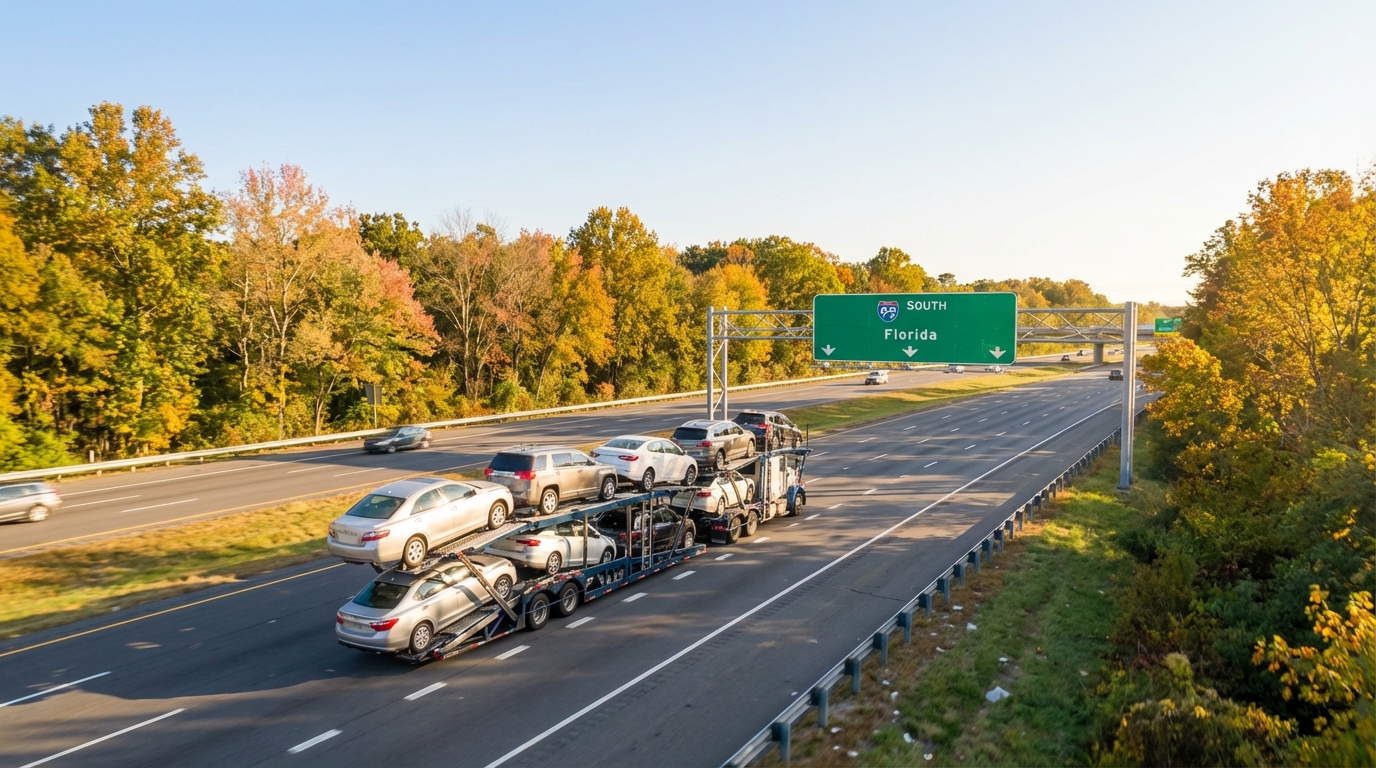
Southbound season runs October to December. Trucks flood the Northeast-Florida corridor in late October, and demand peaks in early November and early December. Northbound season runs March to May, with the busiest weeks in late March and mid April.
Prices drop in the shoulder weeks because carriers already plan southbound capacity. More trucks on the lane means less bidding pressure, fewer schedule conflicts, and faster dispatch matches. Metro pickups get messy when demand peaks, especially in NYC, Newark, and North Jersey.
If you want to ship car to Florida seasonal, pick a 2–4 day pickup window and a location that fits a car hauler. Seasonal routes reward planning, flexible dates, and easy access more than last-minute timing.

Why Pickup Date Flexibility Saves Snowbirds Money On NY-FL And NJ-FL Routes
Brokers don’t control trucks. We match them. And the faster we match them to existing movement, the less you pay.
When you give a single pickup date, dispatch has to bid against every other snowbird in the same metro that week. That gets loud, expensive, and frustrating.
If you provide a pickup window, a broker with a strong carrier network can move fast, shift the plan fast, and confirm a backup location fast if snow, street limits, or tight turns block access.
Flexibility lets us grab a truck that’s already moving south instead of paying for a reroute.
Pro Tip: A 3-day pickup range can save hundreds on seasonal lanes. That’s not a theory. That’s route reality.
Winter Pickup Locations For NY-FL And NJ-FL Snowbird Car Shipping
Snow changes pickup reality fast. Snowbanks eat road space. Apartment streets tighten to one lane. Residential turns that fit cars don’t fit trucks. Parking rules shift in winter too, and drivers can’t risk blocking traffic during morning or evening rush hours.
So, smart brokers plan alternatives early. Here’s where open carriers operate smoothly in winter:
- Self-storage lots with wide entrances
- Business parks with loop exits
- Public commuter parking areas
- Commercial plazas with truck space
- Vehicle storage facilities built for loading
We confirm the pickup plan with the carrier before dispatch, so drivers know exactly where to stop, turn, and load. After all, a calm pickup starts with a practical location, not a perfect one.
NY-FL And NJ-FL Snowbird Car Prep Checklist
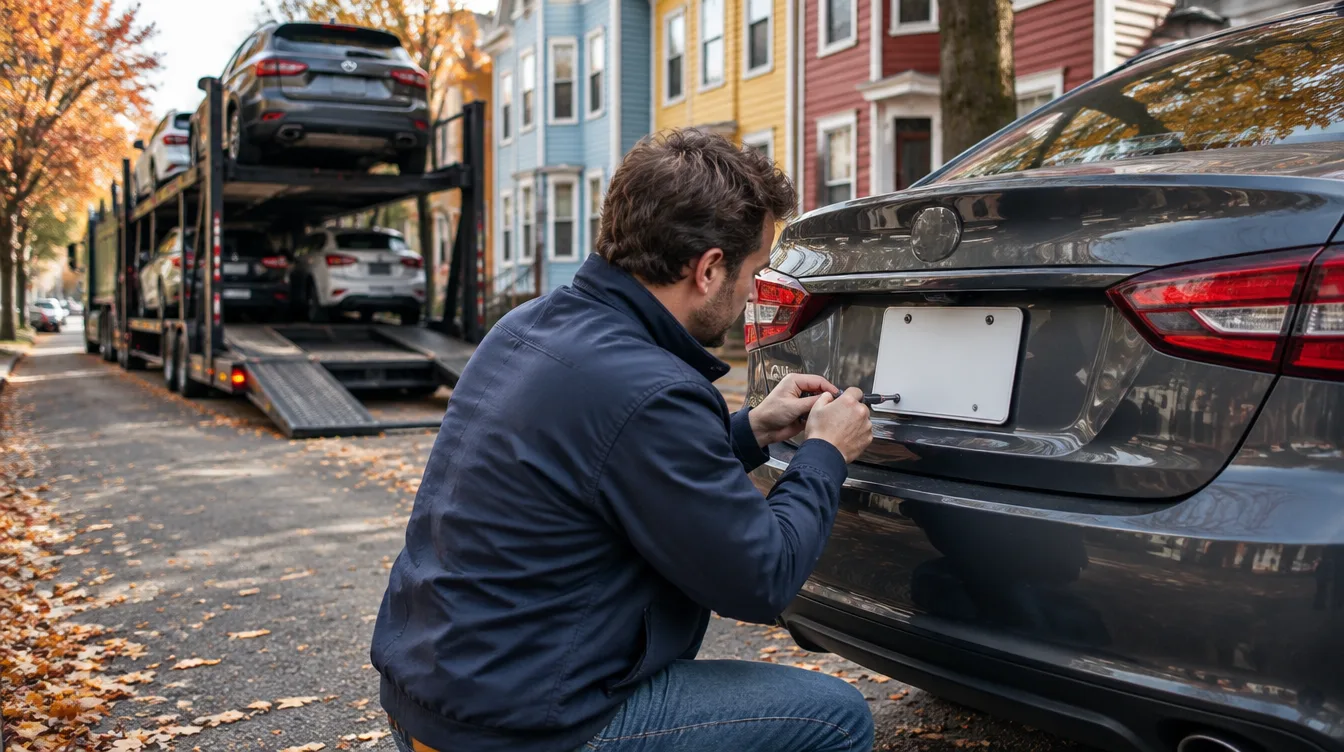
Prep early because it saves time, money and disputes later. When inspection day comes, everything moves faster if the car is ready and the report is clean. So, first, wash the car. A dirty car hides small damage, and the Bill of Lading has to be accurate.
Next:
- Remove personal items and transponder tags
- Keep fuel around 1/4 tank
- Turn off alarms that chirp or blink
- Place one spare key outside the vehicle
- Share real notes on mechanical quirks
- Bring your ID for carrier inspection
NY-FL And NJ-FL Snowbird Car Shipping Transit Times
Carriers must issue a Bill of Lading at handoff and sign the condition report before loading. This is the document that protects both sides if a disagreement pops up later. A handoff without it is like starting a road trip without a map: possible, but stressful.
At Rivalane, we review driver assignments and verify cargo insurance before dispatch, because seasonal lanes move fast, and coverage details should be clear before pickup day.
Carrier cargo policies have limits, and loading incidents aren’t covered by personal auto insurance. High-value vehicles ship safer in enclosed trucks with declared value noted on the Bill of Lading.
Many seasonal customers ask for guidance here, so we built this step into our process for lanes like snowbird car transport between the Northeast and Florida.

Top Costly Snowbird Shipping Mistakes On Northeast-Florida Routes
First, go to the Rivalane Homepage and open the quote calculator to check live lane pricing. Compare open and enclosed transport based on the week you want to move. When the price looks right, send your quote request from the calculator.
Rivalane builds its quotes on real truck movement, not seasonal guess ranges.
Pro Tip: If you’re shipping near the biggest snowbird rush, try a 2 to 4 day pickup range and test both transport types in the calculator. You’ll see the difference instantly.
The calculator shows live route pricing, not estimates. That clarity makes snowbird shipping decisions faster and smarter.
Final Thoughts On NY-FL And NJ-FL Snowbird Car Shipping
Trust starts with patterns, not promises. The brokers who handle snowbird lanes every year know where trucks actually run, which weeks flood south, and which weeks drain capacity. Choose a broker that works high-volume seasonal corridors annually, especially on New York - Florida and New Jersey - Florida routes where timing changes everything.
Ask for pickup windows instead of one-day commitments. Trucks move on route logic, not calendar pressure. Use backup pickup locations when winter tightens access, like storage lots or commuter plazas. Confirm cargo insurance limits in writing. For higher protection during peak weeks, choose enclosed trucks and log the declared value at handoff.
Plan early. Stay flexible. Seasonal routes reward options, not deadlines. When you give your broker room to match existing Florida-bound trucks, the savings show up clearly.
Frequently Asked Questions