The biggest mistake people make with Copart shipping is thinking the hard part is finding a truck. It isn't. The hard part is that the yard is already counting days against you while you're still shopping quotes, and the car you just bought cannot be driven, towed, or walked out of that lot by you or by anyone you hire until a Copart employee physically moves it to a staging area first.
Short version, if you only read this far: book transport the same day you win the lot, not after your paperwork arrives, and tell the broker whether the car rolls and steers rather than just saying it doesn't run. Those two things decide almost everything about what you pay and when the truck shows up.
The clock that matters starts before you've even paid
Most buyers think of pickup as something to sort out during the week. The yard doesn't see it that way. Storage starts accruing after a short free window, and that window usually counts the day of the sale and it counts weekends. Push past the removal deadline and the lot can get relisted with a penalty charged back to you.
There is no single number to give here, and you should be suspicious of any page that does. Free days, daily storage rates, and relist penalties vary by yard and by state. Buyers often quote a figure they read on a forum, plan around it, and find out their particular location works differently. The structure is consistent everywhere. The math is not.
What that means practically is simple. The clock is running before your payment has even cleared, and a load that gets posted to carriers on day one is a completely different problem than the same load posted on day six. Day one, a dispatcher can slot it into a lane a truck is already running. Day six, you're paying somebody to go out of their way.
Why nobody drives your car out of the Copart lot
This is the part almost nothing online explains, and it's the reason pickups slip.
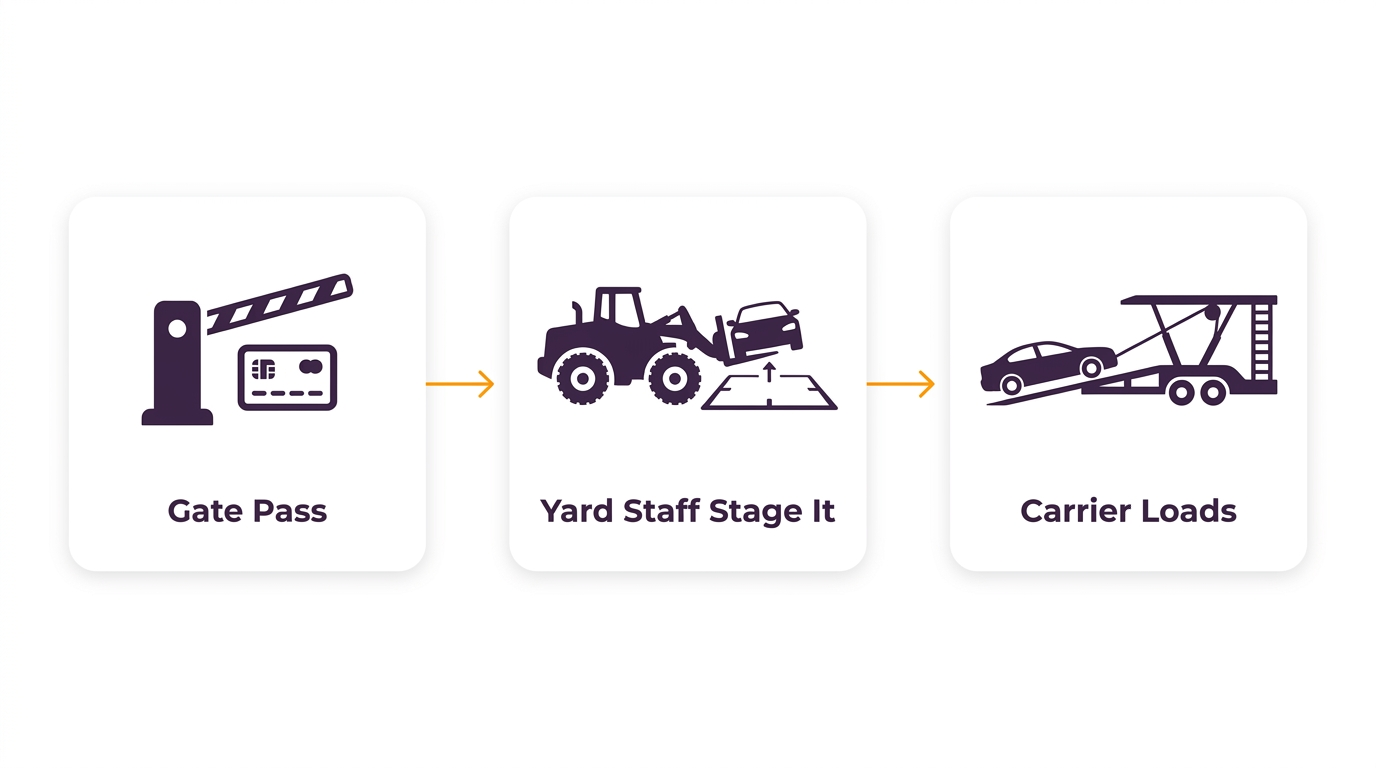
A Copart yard is a closed commercial facility. You cannot go in and get your car. Neither can the driver you hired. When the truck arrives, yard staff use their own heavy equipment to pull your lot out of the row and bring it to a designated staging area, and only then does the driver load it.
So loading depends on the yard's people and their schedule, not just on your driver's. And most yards stop loading well before they close. A driver who rolls in at 4:15 on a location that shuts the gate at five may find that nothing is getting staged that day and leave with an empty spot on the trailer. That's a wasted trip, and now you're rescheduling with storage still ticking.
There's a second version of this that catches brokered buyers. The gate pass has to name the right person. If somebody bid on your behalf because of how your state handles salvage titles, the release paperwork may not have your name on it, and security will turn a driver away over exactly that.
Does it run, or does it roll? Those are different trucks

Buyers say “it's not running” and think they've described the car. To a dispatcher that sentence is nearly useless.
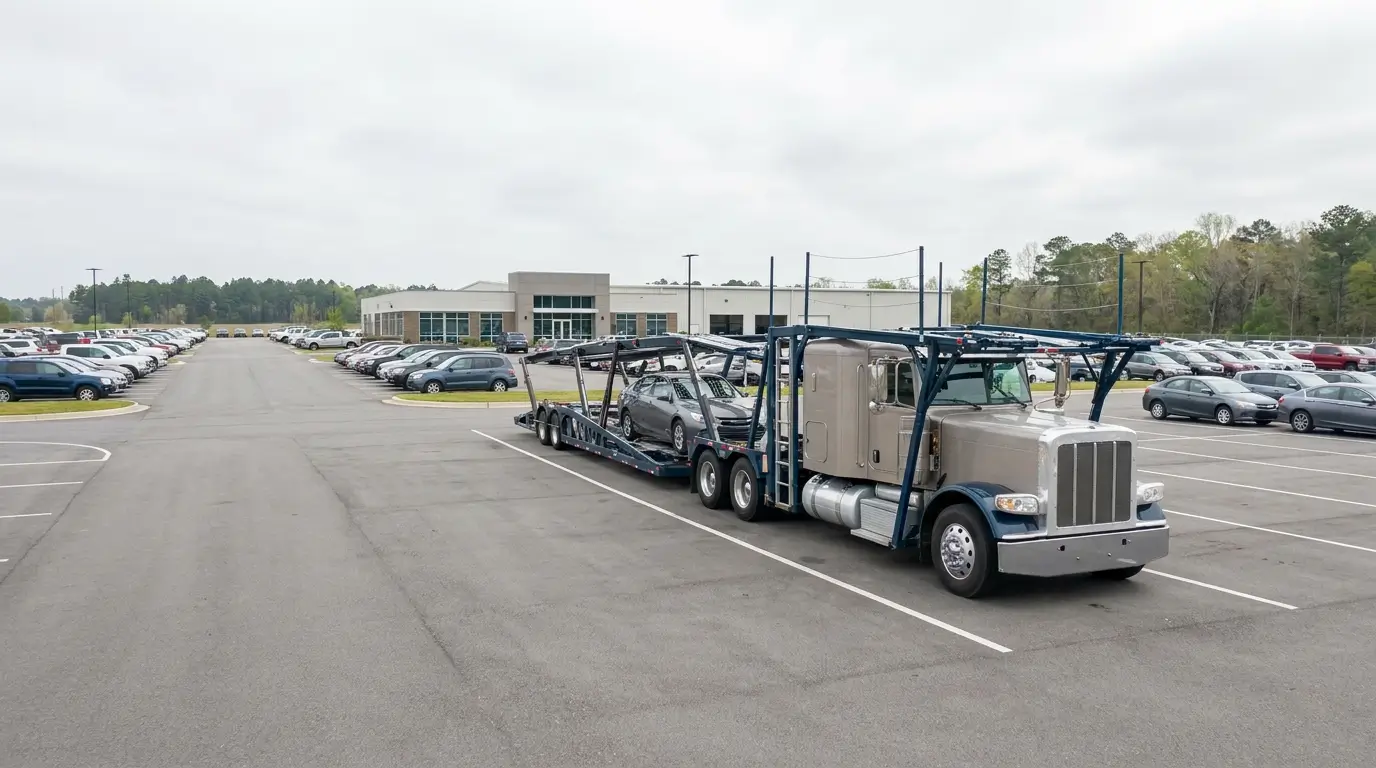
What actually matters is whether the thing rolls, steers, and brakes. If it does, a driver with a winch can pull it up onto a standard open car transport trailer alongside everything else he's hauling. Costs a bit more than a running car, takes a bit longer to load, but it's a normal job and there are thousands of trucks that can do it.
If it doesn't roll, meaning seized wheels, missing wheels, or suspension collapsed into itself, then nobody is winching anything. Copart staff have to forklift it onto a flatbed, which means you need a flatbed, which means a much smaller pool of trucks and a different rate structure entirely. Same car, same distance, completely different booking.
This is where most bad quotes come from. Somebody ticks “inoperable” on a form, gets priced for a winch load, and then a driver shows up with the wrong equipment and cannot take it. Now you've burned a day and you're back on the board. Just describe the car honestly. Rolls, steers, brakes. Three yes or no answers, and you'll get a quote that survives contact with reality. If the car is a project rather than an auction win, our guide to shipping a car that doesn't run covers the equipment side in more depth.
Your title is going to show up later, and that's normal
A lot of people sit on their hands waiting for documents before they'll book a truck.
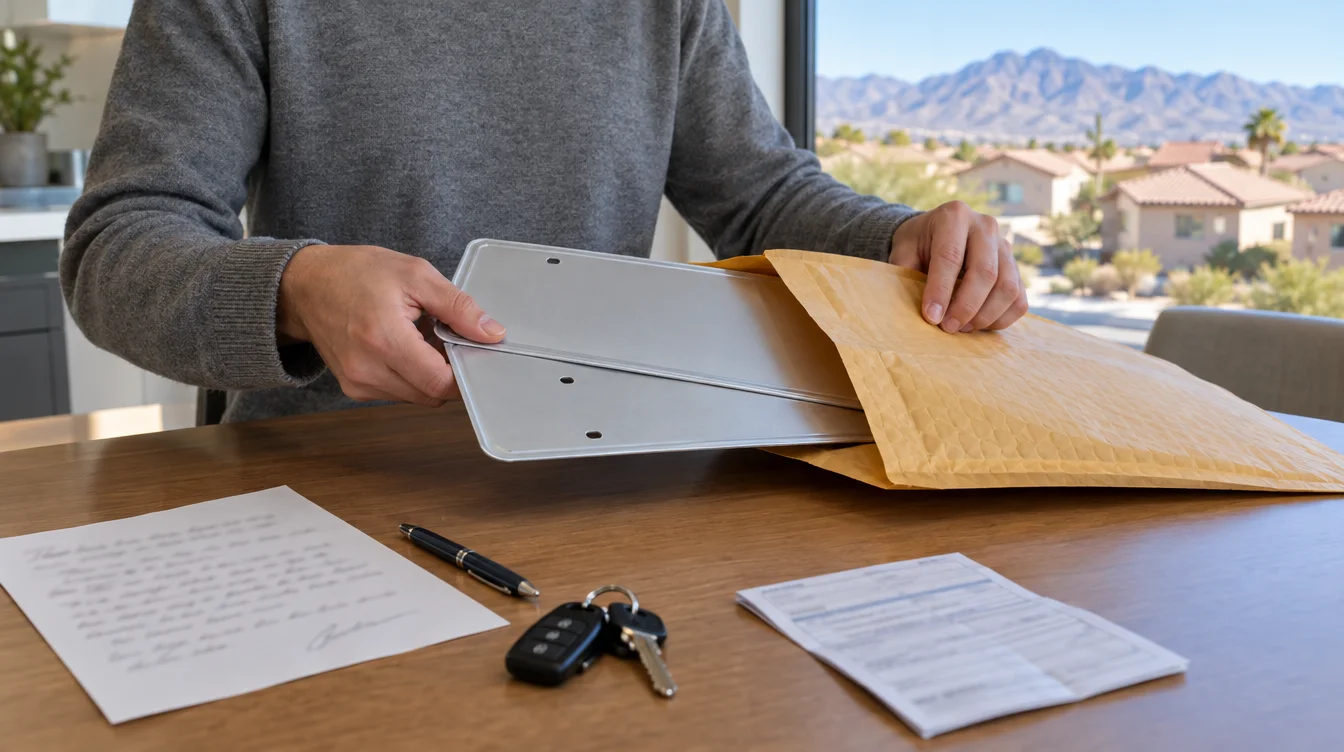
Don't. The vehicle release and the title are two separate workflows moving at two different speeds. Copart lets the car go once your payment has cleared and there's a valid gate pass. The title comes in the mail on its own schedule, sometimes well after the car is already sitting in your driveway. Waiting for paper just means you're paying storage for the privilege.
Worth saying too: cleared payment, not submitted payment. A wire that leaves your bank Friday afternoon might not post until Monday or Tuesday, and those are storage days. People save forty dollars picking the cheaper payment method and lose more than that waiting for it to land.
What actually sets the price (it isn't the mileage)
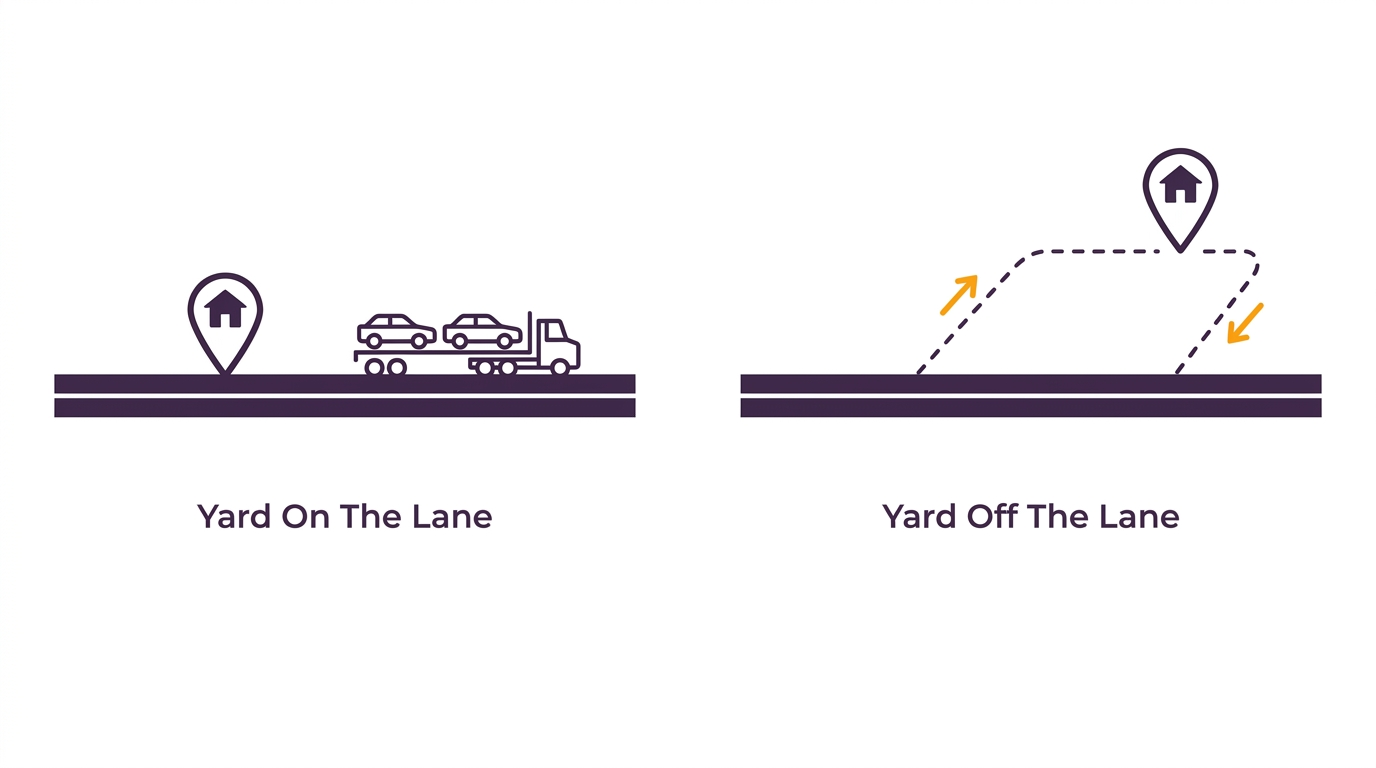
Two identical cars, both going roughly 900 miles, can quote hundreds of dollars apart. Buyers find that maddening because they're thinking in miles. Carriers aren't.
What a driver is really asking is whether your pickup sits on a road he's already driving. Copart has yards in a lot of places, including plenty that are nowhere near a busy corridor. A yard just off a dense interstate lane gets covered fast, because somebody's already going past and one more car on the deck is nearly free money. A yard two hours out into nothing means deadheading there and deadheading back for a single vehicle, and the rate has to make that worth doing or the load just sits.
Then layer equipment on top. A car that needs a flatbed is competing for a much smaller set of trucks than one that can ride on a ten car open hauler. Fewer trucks, longer wait, higher number.
Which brings up the underpriced quote problem. A price well under market on an auction load usually isn't a price at all. It's a hopeful posting sitting unclaimed while your storage accrues. On a normal house-to-house move, shopping around for a few extra days costs you nothing. On a Copart lot it costs you daily, and eventually it costs you a relist penalty.
What the insurance actually covers, and why your pickup photos matter
Here's something buyers assume that isn't true. Federal rules require most for-hire haulers running heavy equipment to keep $750,000 in liability coverage on file, while cargo insurance sits outside that federal minimum entirely for general freight. Cargo coverage on a car hauler exists because brokers and shippers insist on it as a condition of doing business, not because a federal form makes anybody carry it.
For a salvage buyer that matters more than it would for someone shipping a clean daily driver. Your car already has damage. Lots of it, probably. So if something happens in transit, the only thing standing between you and an unwinnable argument is the condition report the driver fills out at pickup.
And “damage all over” written on a bill of lading protects nobody. Neither do Copart's own pre-sale photos, because those document the car before it ever moved. What you want is the pickup inspection to be specific and photographed, right there at the staging area. It's ten minutes of work and it's the only leverage you will ever have.
What changes when the lot is at IAA instead of Copart
Most of what you just read transfers. The car sits inside a commercial yard, staff move it to a staging area with their own equipment, your driver loads from there, and the storage clock does not wait for your paperwork.
Two things are worth checking separately. The removal window is set by the branch holding the car, not by the company, so IAA's own auction rules point you at the branch rather than a national number. And loading equipment has limits that vary by location, so if the car is heavy, missing wheels, or badly folded, ask the branch what its loaders will lift before you assume they will lift it.
Enthusiast auctions work differently again. On a site like Bring a Trailer the car is not in a yard at all, it is at a private seller's address, which removes the storage clock and the gate pass but introduces access problems a commercial lot never has. We covered that in our guide to shipping a car you won on Bring a Trailer.
Who pays if the yard damages your car while loading it
Here is the part almost nobody spells out, and it is worth reading twice.
Both auctions put that risk on you in writing. Copart's Member Terms and Conditions say Copart is not responsible for damage resulting from unsafe or improper loading or securing of a vehicle for transport, and that you indemnify them against claims arising from it. IAA's published auction rules go further, stating that the buyer and the buyer's representatives assume all risk of the loading, towing and transporting process and release IAA from claims arising during it, including claims caused by IAA's own negligence.
Put that next to what you already know about cargo coverage. The yard disclaims loading damage. The carrier's cargo cover attends to the vehicle once it is in the carrier's custody. The forklift moment sits between those two positions, and it is the moment a salvage car is most likely to pick up damage nobody will pay for.
You cannot negotiate either set of terms. What you can do is make the pickup inspection specific and photograph the car at the staging area, before it goes up on the deck. That is the same advice as above. This is why it matters more than it sounds.
Think about the unload before you think about the pickup
Everybody plans the pickup end. Almost nobody plans the other end, and for a non running car that's backwards.
A vehicle that had to be forklifted onto a flatbed has to come back off somewhere. If you're expecting door to door delivery to mean the truck reverses up your driveway, be careful. Door to door means the driver gets as close as he legally and safely can. A narrow residential street, a low branch, a steep drive, a parking restriction on the block, any of those turn into a problem. And a car that can't be driven off the deck can't just be rolled to a better spot.
Sort this out before the truck is en route. Often the answer is a flat lot a few minutes away where there's room to work. That's a five minute conversation on day one and a genuine headache on delivery day.
What to tell us on day one
If you want this to move quickly, have four things ready when you reach out: the lot number, which yard it's sitting in, the delivery address, and an honest answer on whether the car rolls, steers, and brakes.
That's it. With those four, a dispatcher can tell you what equipment it needs and roughly how fast it'll cover, and get it posted before your free storage days are gone. If you've just won something and you're not sure what you're dealing with, price your route and let us work out the yard side. If you buy at auction regularly, our auto auction transport page covers how we handle the yard end across Copart, IAA and the rest.
One last thing. Whatever your instinct says about waiting until you've got everything lined up perfectly, ignore it. The car sitting in that yard is the most expensive it will ever be, and every day you spend getting organized is a day you're paying for the privilege.
Frequently Asked Questions