Inside a Car Carrier: Structure and Setup
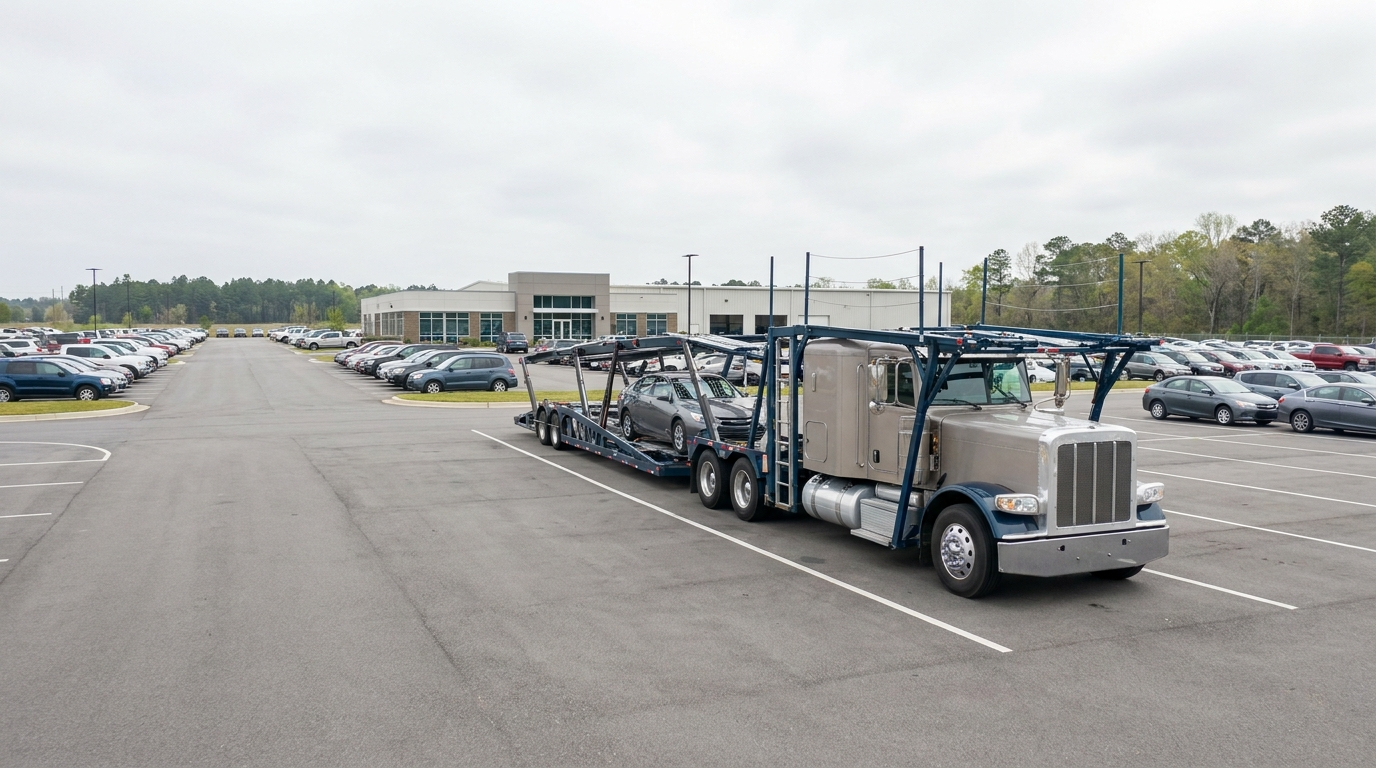
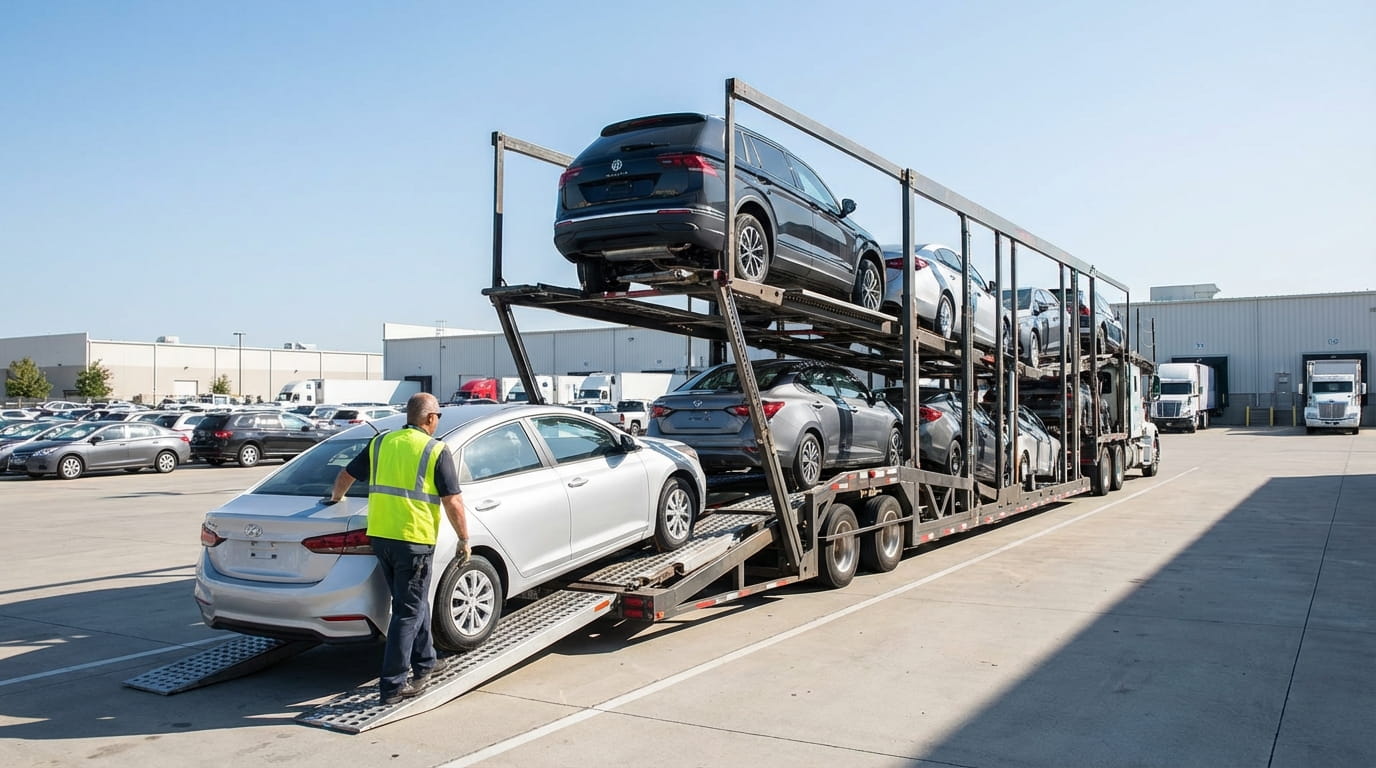
To begin with, car carriers are designed with flexibility in mind. Most trailers feature multiple adjustable decks that can be raised or lowered depending on the type of vehicles being transported. This allows operators to make better use of space while still maintaining stability on the road.
In addition, car lift systems play a key role in this setup. They make it possible to position vehicles on upper levels without unnecessary risk. At the same time, this directly increases overall vehicle loading capacity, which is essential when transporting several cars at once.
Another important element is the use of ramps. In many cases, especially with roll-on/roll-off transport, vehicles are driven directly onto the trailer. This method simplifies the process and reduces handling time, particularly when dealing with operational vehicles.

Preparing the Vehicle and Carrier
Before loading even begins, preparation ensures everything runs smoothly. Both the vehicle and the carrier need to meet certain conditions to avoid complications later.
First, operators confirm that the vehicle’s size and weight fit within the carrier’s limits. Then, they inspect the trailer to ensure all systems are functioning properly. This step is a crucial part of the overall vehicle loading procedure, as it helps prevent delays and reduces the risk of damage.
Beyond that, small checks make a noticeable difference. Doors must be fully closed, tires properly inflated, and fluid levels stable. While these details may seem minor, they contribute to a safer and more predictable transport process.
How Vehicles Are Loaded Onto the Trailer
When it’s time to load, the approach depends on the vehicle and the equipment available. In many situations, drivers carefully guide the car onto the trailer using ramps. However, when space is limited or the vehicle cannot be driven, lifting equipment is used instead.
At this stage, precision becomes essential. Each movement is controlled, and positioning is adjusted gradually to ensure the vehicle fits correctly within the layout. Because multiple vehicles share the same trailer, even small adjustments can have a significant impact on overall balance.
Planning Placement and Load Order
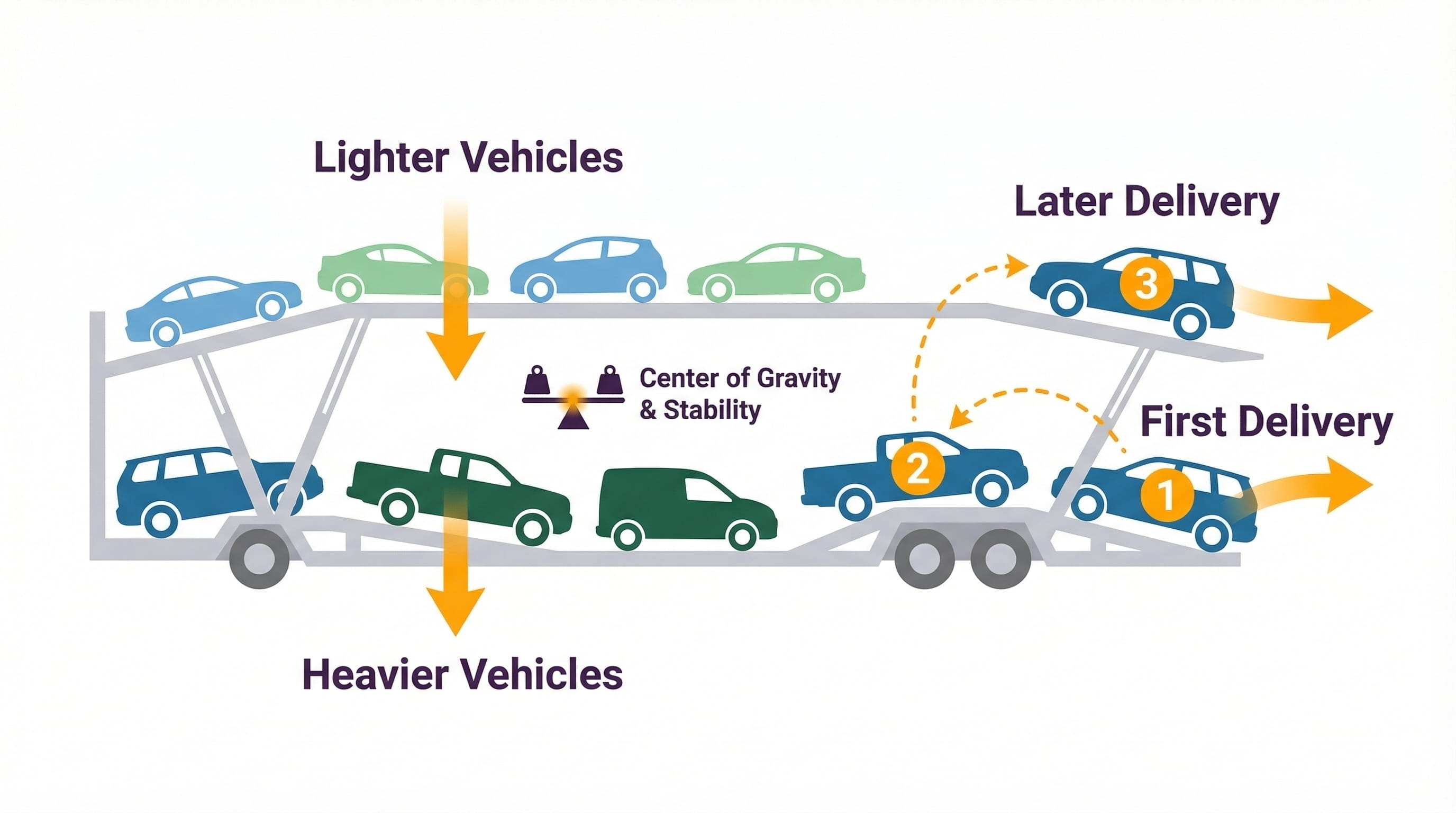
Once vehicles are on the trailer, placement follows a deliberate strategy. For example, heavier vehicles are usually positioned on lower levels. This helps maintain a stable center of gravity and reduces the risk of imbalance during transport.
At the same time, delivery order also shapes how vehicles are arranged. Cars scheduled for earlier drop-offs are placed in more accessible positions. As a result, drivers can unload them without needing to move other vehicles unnecessarily.
In this way, planning goes beyond simple organization. It directly improves efficiency, reduces handling time, and supports a smoother overall operation.
Securing Each Vehicle
After placement is finalized, securing the vehicles becomes the next priority. Operators use soft straps and wheel restraints to hold each car firmly in place.
Even so, securing is not rushed. Each strap is adjusted carefully, and tension is checked to ensure everything remains stable throughout the journey. By taking this extra time, carriers reduce the chances of shifting during transit.
Final Adjustments and Safety Checks
Before departure, a final review takes place. Every connection is inspected again, and systems such as hydraulics, lights, and brakes are tested to confirm they are working properly.
At this point, attention to detail is critical. A small oversight could lead to delays or complications on the road. Therefore, these final checks act as a safeguard, ensuring that the entire setup is ready for transport.
What Happens on the Road and at Delivery
Once the carrier is on the road, consistency becomes the focus. Drivers follow planned routes while tracking systems provide updates along the way.
At delivery, the process happens in reverse. Each vehicle is unloaded carefully and inspected to confirm it arrived in the same condition. Clear communication between drivers and dispatch teams helps avoid delays and keeps everything running smoothly.
Companies like Rivalane rely on this level of coordination to ensure every shipment meets expectations from pickup to delivery.
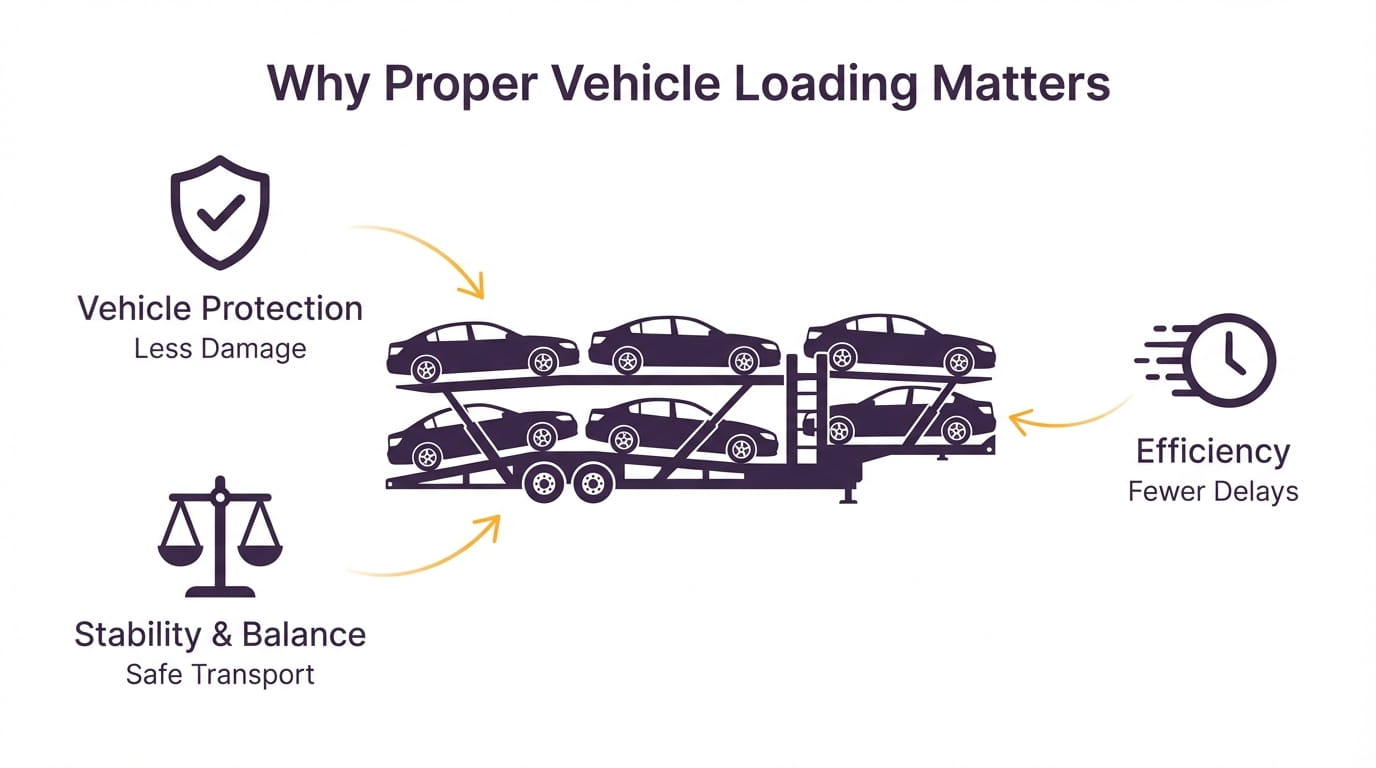
Why Proper Loading Matters
Proper loading affects more than just organization. It directly impacts safety, timing, and overall transport quality.
- It keeps vehicles protected during transit
- It maintains balance and stability on the road
- It reduces the risk of delays or damage
A well-loaded carrier performs better in every aspect. When each step is handled with care, the entire transport process becomes more reliable and efficient.
Frequently Asked Questions