Is Shipping a Car Safe?
Yes. Shipping a car is safe when a licensed carrier with active cargo insurance moves it and its condition is recorded at pickup and delivery. Damage in transit is uncommon. The real risk sits earlier, in choosing the company: an unlicensed operator, a carrier with thin coverage, or a quote that turns out to be a scam.
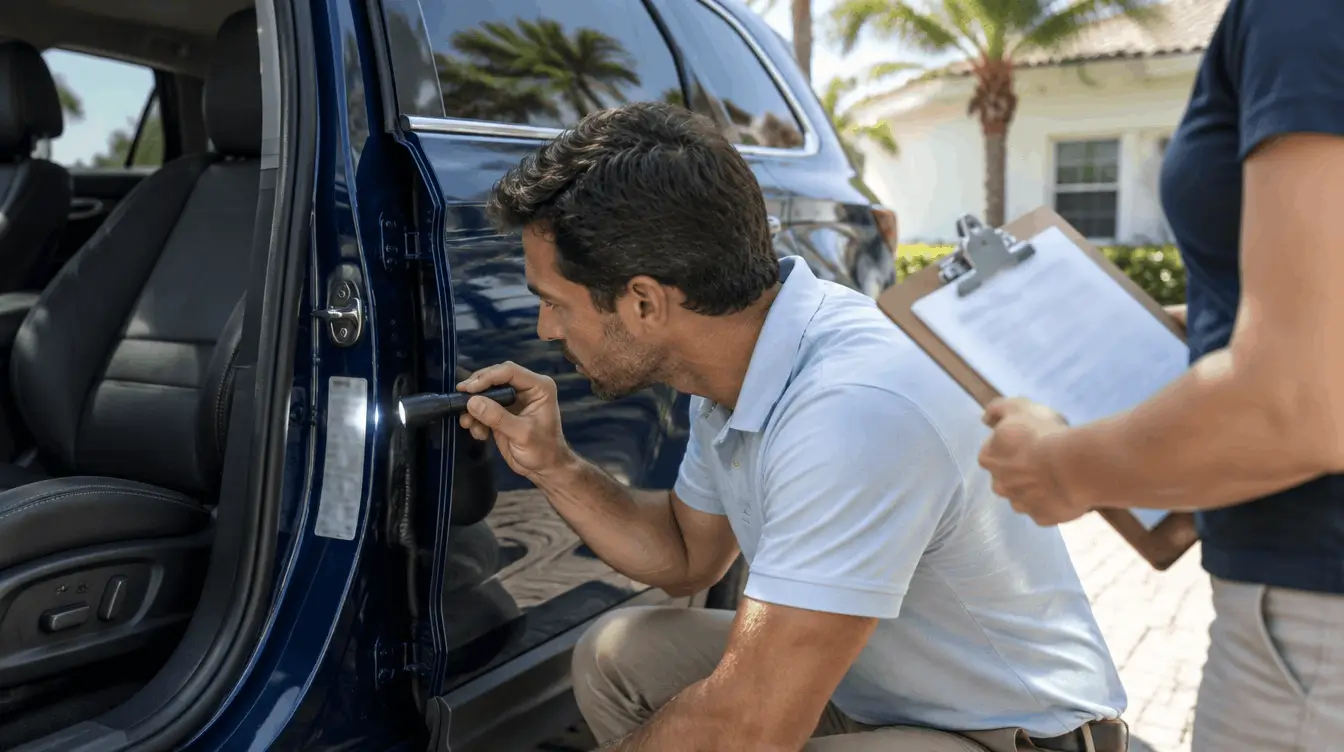
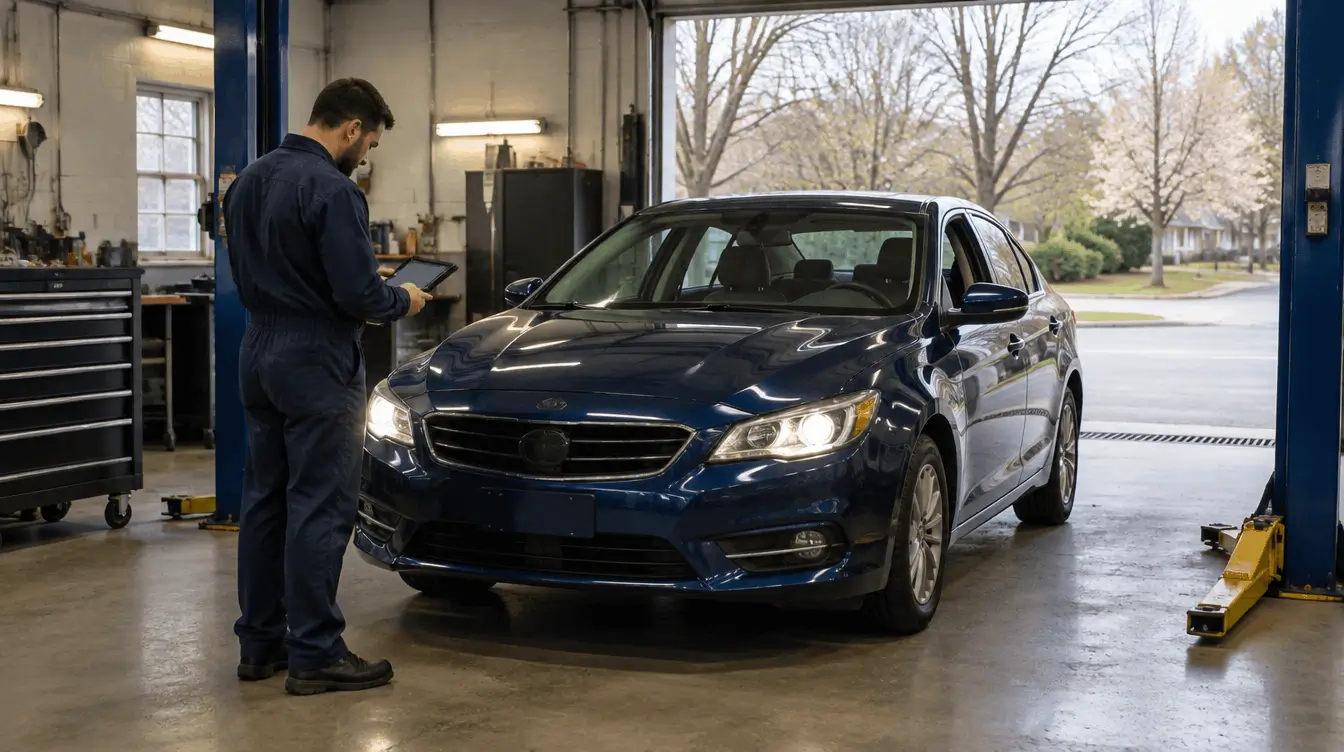
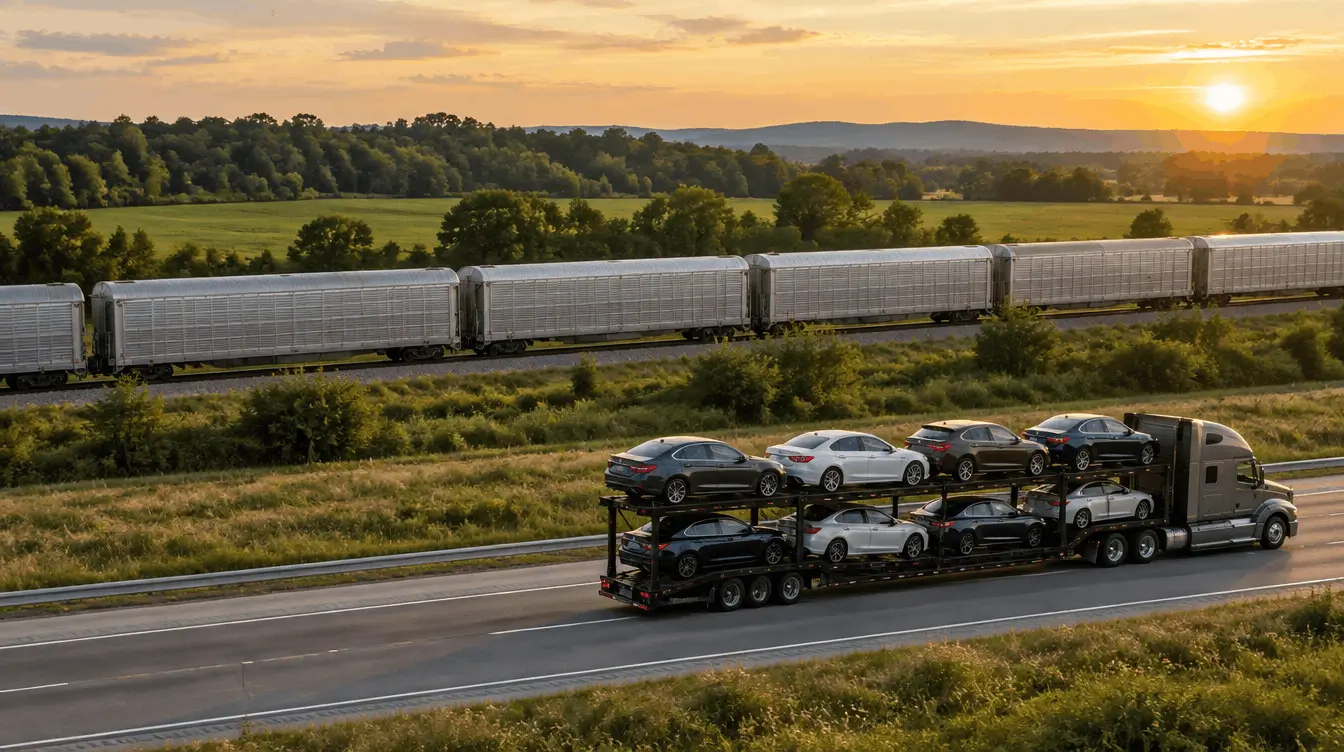
Three things protect your car on a properly run shipment. The driver inspects it with you at pickup and records any existing marks on the bill of lading, then repeats the inspection at delivery. The car rides on the trailer, strapped in place, rather than being driven between stops. And the carrier’s cargo policy responds to damage that happens while the vehicle is in its care.
Rivalane is a licensed property broker, so we coordinate the move and assign the carrier, and that carrier’s coverage is the one that applies. Our guide to car shipping insurance explains who covers what.
Common Myths and Misconceptions About Car Shipping
Most hesitation about auto transport traces back to one of the myths below. Each has a grain of truth, which is why it sticks, but none of them describes how a well-run shipment actually works.
Myth 1: Car Shipping Is Only for Luxury or Exotic Cars
The reasons people ship a car rarely have anything to do with its value. A cross-country move, a vehicle bought online from another state, a winter in Florida, new military orders, a student heading to college: in each case, driving hundreds or thousands of miles costs time and adds wear that shipping avoids.
Collector and high-value cars travel on the same network. They usually go in an enclosed trailer, which is a choice about protection, not a separate service for a separate class of owner.
Myth 2: Damage During Transport Is Common
Damage is the fear behind most safety questions. It happens rarely, and when it does it is usually minor. Open trailers expose a car to weather and road dust, and loading is the moment where scrapes are most likely, which is why the inspection matters so much.
The bill of lading is your record. Walk around the car with the driver at pickup and make sure every existing mark is written on it. At delivery, check again before you sign, and note any new damage on the bill of lading with the driver present. Signing without a note confirms the car arrived in good condition. Our bill of lading guide walks through both inspections.
Myth 3: Your Car Gets Driven During Transport
Your car travels on the trailer from pickup to delivery. The driver moves it only to load and unload it, so it picks up very little mileage along the way. If you want a record, note the odometer reading during the pickup inspection and compare it at delivery.
Myth 4: Enclosed Transport Always Costs Double
Enclosed transport costs more than open, but the gap is not a fixed multiple. It moves with the same factors that shape every quote: the distance and route, the size of the vehicle, the season, and how busy the lane is. A popular route between major metros fills enclosed trailers more easily than a remote one, and that shows up in the price.
Choose enclosed when protection from weather and road debris matters more than the saving, which is the usual call for classic, exotic, and freshly restored cars. For a daily driver, open transport is the standard choice. Compare the two on our open car transport and enclosed car transport pages.
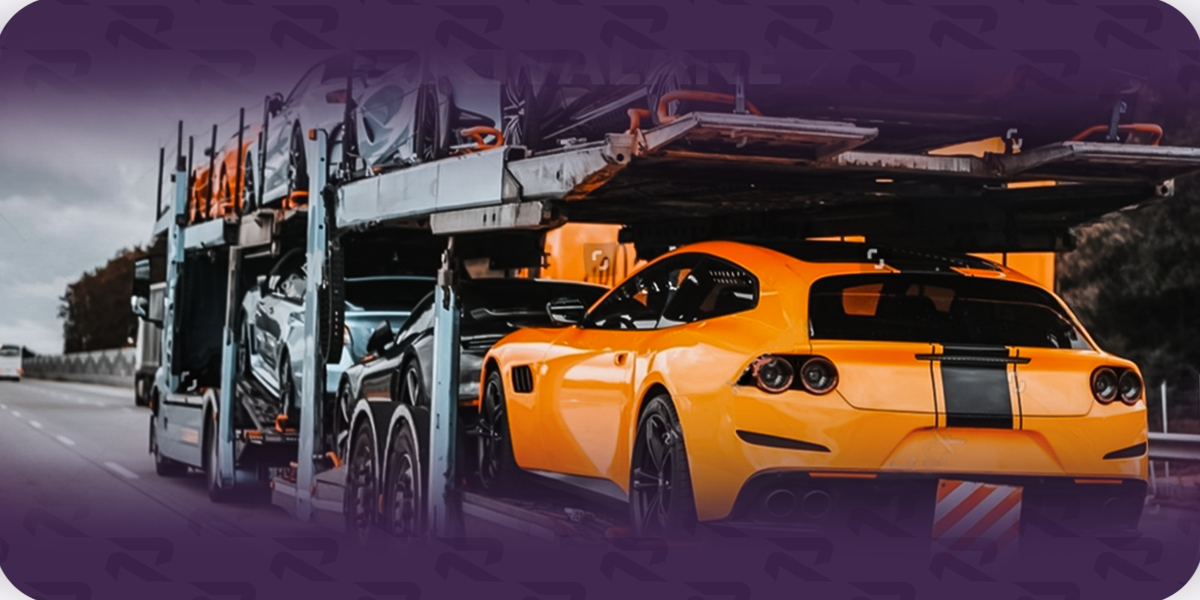
Myth 5: Shipping Always Costs More Than Driving
Comparing a shipping quote with a tank of gas leaves most of the cost of driving out. Fuel, hotels, meals, days away from work, and the wear a long trip puts on tires and the engine all count, and on a long route they add up quickly. On a short route, driving is often the cheaper answer, and it is worth saying so. Our breakdown of whether auto shipping is cheaper than driving runs the full comparison.
Myth 6: Door-to-Door Shipping Is Slower Than Terminal Shipping
Terminal shipping adds stops. You drop the car at a lot, it waits for a truck, and you collect it from another lot at the other end. Door-to-door shipping cuts those handoffs, because the carrier picks up as close to your address as the truck can safely reach and delivers the same way. Fewer handoffs usually means fewer places for a schedule to slip, though every timeline is still an estimate that weather, traffic, and other stops on the route can move.
Myth 7: You Can Pack Your Car Full of Belongings
It is tempting to use the car as a moving box, but carriers limit personal items, and nothing left inside is covered. Rivalane’s terms allow one suitcase or bag under one hundred pounds in the trunk, and neither the carrier nor Rivalane is liable for personal property left in the vehicle. Loose items can also shift and damage the interior, so remove anything valuable and take out loose accessories before pickup.
Myth 8: Brokers Add Risk, and Every Company Works the Same Way
Quotes can look identical on the surface, but companies differ in licensing, in how they choose carriers, and in how they handle a problem mid-route. Some are carriers that own trucks, some are brokers that arrange the move, and some are marketplaces. Knowing which one you are dealing with tells you who is responsible for what, and our guide to the difference between auto brokers and carriers explains it in full.
A licensed broker is not a middleman who adds risk. It holds its own federal operating authority, assigns a carrier for your route, and keeps you informed through delivery. Rivalane operates as a licensed property broker under USDOT 4178374 and MC 1608310, and you can check our authority, or any company’s, on the FMCSA SAFER Company Snapshot before you book. If a quote sits far below the others or a company pushes for full payment upfront, read our tips on avoiding scams in auto shipping first.
How to Make Your Car Shipment Safer
Most of what keeps a shipment safe happens before the truck arrives. Work through this list when you book:
- Check the company’s operating authority on FMCSA SAFER.
- Ask for the carrier’s certificate of insurance and read the limits and the deductible.
- Wash the car and take dated photos of every side before pickup.
- Remove personal items and loose accessories.
- Inspect the car with the driver and confirm every existing mark is on the bill of lading.
- Inspect again at delivery and note any new damage before you sign.
When you are ready to plan your move, the car shipping calculator gives you an estimate for your route, and Rivalane coordinates the shipment from booking to delivery.
Frequently Asked Questions
Is car shipping safe for new and used vehicles?
Is open car transport safe?
What happens if my car is damaged during shipping?
Do I need to be present for pickup or delivery?
How far in advance should I book car shipping?