Registering an out-of-state car in Idaho runs through the Idaho Transportation Department (ITD), with the paperwork handled at county motor vehicle offices run by the county sheriff or assessor. A new resident has 30 days to title and register the car, and Idaho wants the title done first: once the title documents are in, the registration can follow right away.
This guide takes the steps in order for a car you already own, from the papers and the VIN inspection to the fees, insurance and plates. If the car is coming from New York, our page on New York to Idaho car shipping covers the lane itself.
How Long Do You Have to Register a Car After Moving to Idaho?
Thirty days from the day you move. ITD's New to Idaho guide says you must title and register your vehicle within 30 days of moving, even if the registration from your old state has not expired yet.
Titling comes before registering. ITD's Vehicle Registrations page says a vehicle must be titled in Idaho before it can be registered, and that you can apply for the registration immediately after submitting the title documents to the county office. That lets you handle both on the same visit.

Do You Need an Idaho Driver's License Before You Register?
Not strictly. Idaho gives you a separate 30 days from the move to get an Idaho driver's license or ID card, and ITD lists the license as the first step for newcomers. College students, active-duty military members and their dependents who hold a valid out-of-state license do not need an Idaho license.
The title and registration application itself does not depend on the new license. ITD asks for your full legal name with an Idaho driver's license number, an Idaho ID card number or a Social Security number, so you can apply with your Social Security number if the license is still in progress.
What Documents Do You Need to Register an Out-of-State Car in Idaho?
Between ITD's New to Idaho guide and its Vehicle Titles page, a new resident should bring:
- Your current title and registration from the state you are leaving. If a lender holds the title, bring the lienholder's name and address instead, as the next section explains.
- Your personal ID and the identifier for the application: an Idaho driver's license number, an Idaho ID card number or your Social Security number.
- A physical address and a mailing address that can be verified.
- A completed VIN inspection, or the car itself so a DMV employee can do the inspection during the visit.
- An odometer disclosure where it applies. ITD lists it for vehicles newer than 2010 that weigh under 16,000 pounds, so note the current mileage before you go.
- Payment for the fees, which the New to Idaho guide says can be cash, check or credit card.
If the title has been lost, the New to Idaho guide says to request a duplicate from the state that issued it, so start that early.
What If a Lender Holds Your Title?
If you still owe money on the car, the title is probably with your lender. ITD's newcomer checklist accepts the lienholder's name and address in place of the title you would otherwise bring. When Idaho records the lien, the Vehicle Titles page says the new Idaho title is mailed or sent electronically to the lienholder rather than to you.
Your registration and plates are still issued to you as the registered owner, so a financed car is registered the same way as one you own outright.
How Does the Idaho VIN Inspection Work?
Every vehicle coming in from another state needs a VIN inspection before Idaho will title it. ITD says the inspection can be completed by an officer of the law, a DMV employee, a military police officer or an Idaho licensed vehicle dealer. The result goes on form ITD 3403, the Vehicle Identification Number Inspection Certification, which is filled out from the vehicle itself.
That gives you two ways to handle it. You can drive the car to the county office and have a DMV employee inspect the VIN during your title visit, which is the route the New to Idaho guide describes. Or you can have a law enforcement officer, a military police officer or an Idaho licensed dealer complete the inspection beforehand and bring the finished form with your title documents. Either way, the inspection is a step in the process, and you still submit the title and registration application at the county office.
Emissions testing is no longer part of the process. The Department of Environmental Quality says the state vehicle emissions testing requirement was repealed effective July 1, 2023.
How Much Does It Cost to Register a Car in Idaho?
For passenger vehicles, Idaho sets the registration fee by the vehicle's age. ITD's Vehicle Registrations page lists these fees for passenger vehicles:
- One or two years old: $69.
- Three to six years old: $57.
- Seven or more years old: $45.
- Electric vehicles: an added $140 per year.
- Plug-in hybrid vehicles: an added $75 per year.
Titling adds a state title fee of $14 plus your county's title admin fee, and counties can add a registration admin fee. The amounts vary: ITD's county table shows Ada County, which includes Boise, at a $9.50 registration admin fee and a $21 total title fee, while some counties charge no title admin fee at all. ITD notes that other processing and administration fees may apply.
For a figure on your own car, ITD's Registration Estimator gives an estimate online. Use tax, covered below, is separate from these fees and applies only in some cases.
Can You Register a Car Online in Idaho?
ITD's guidance for new residents describes the first title and registration as an in-person county visit: you order plates at the DMV when you title and register, and the car is there for the VIN inspection unless it was done beforehand. The DMV Online portal is for what comes after: renewing, ordering plates, tracking a plate order and changing your address.
Plan on visiting a county motor vehicle office with the car. Offices differ in what they handle and whether they take appointments, so check yours before you go.
What Insurance Do You Need to Register in Idaho?
Your policy has to be written by an insurance company admitted in Idaho, and ITD checks coverage electronically. The New to Idaho guide lists these minimums:
- $25,000 for injury or death of one person in an accident.
- $50,000 for injury or death of two or more people in an accident.
- $15,000 for property damage.
Tell your insurer you have moved and set up the Idaho policy before your county visit.
When Do Your Idaho Plates Arrive?
Not on the day you register. Idaho plates are made to order and mailed by the U.S. Postal Service, and ITD says to allow six weeks for delivery. You can track the order in DMV Online.
Two recent changes affect what you receive. Under House Bill 533, the DMV stopped issuing registration stickers on July 1, 2026, and under House Bill 577, plates no longer have to be replaced every ten years. ITD's plates and stickers FAQ says you still need to keep the car registered and show your registration documents if law enforcement asks.
Do You Owe Idaho Use Tax on a Car You Bring With You?
Usually not, if you owned the car for a while before the move. On Form ST-102, the Idaho State Tax Commission exempts a vehicle you owned at least 90 days before moving to Idaho. Its motor vehicle Types of Sales page words the same rule as more than 90 days, so if your timing is close to the line, check with the Tax Commission. You hand in the completed form when you title or register the car.
The exemption has limits. If you bought the car less than 90 days before moving, Idaho presumes you bought it for use in Idaho and use tax is due. Every person listed on the purchase, title and registration documents has to be a new Idaho resident, and someone moving back after a temporary absence cannot claim it. When use tax is due, the Tax Commission says sales tax you properly paid to another state can offset it, as long as you have the receipt.
For buying a car in Idaho, including dealer and private sales, see our guide to Idaho vehicle sales tax.
What Happens to Your New York Plates?
Idaho asks for your current registration but says nothing about the plates from your old state, so that state's rules decide what happens to them. Some states tie the plates to your insurance, so check those rules before you cancel the old policy.
New York is one of them. Its DMV requires the plates and registration to be surrendered before the New York liability policy is canceled; otherwise the insurance lapse leads the DMV to suspend the registration. That makes the safest order: insure, title and register the car in Idaho, surrender the New York plates, then end the New York policy. Our guide to returning New York license plates after you move covers surrendering them by mail or at an office.
How Does Shipping Fit Into Your Move to Idaho?
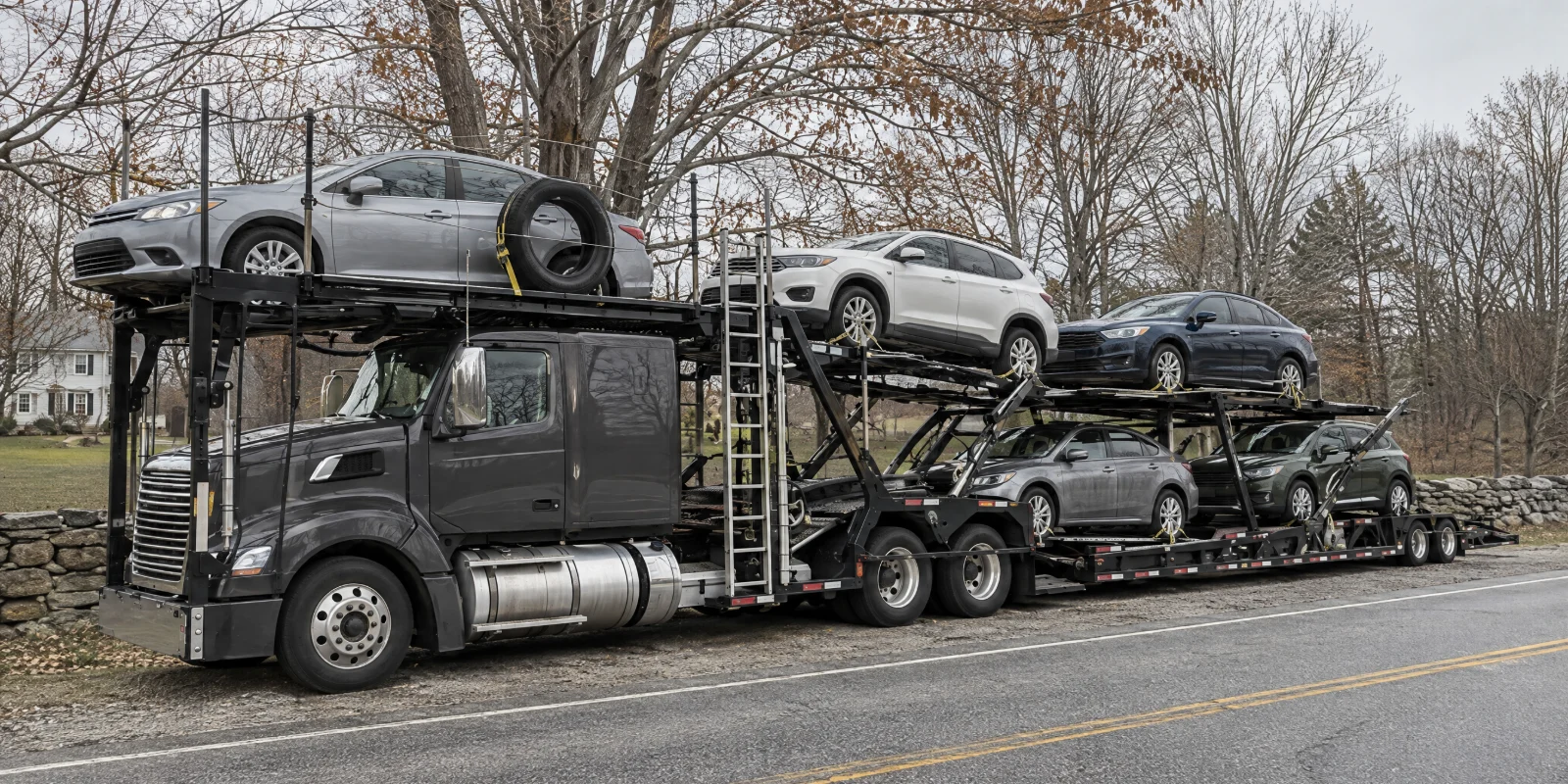
A shipped car travels on its current plates, registration and insurance, so keep all three in force until the Idaho registration is done. Carry the title, the registration and your other papers with you rather than leaving them in the car. Your 30 days start when you move, not when the car arrives, so plan the county visit for soon after delivery, since the car has to be there unless the VIN inspection is done beforehand.
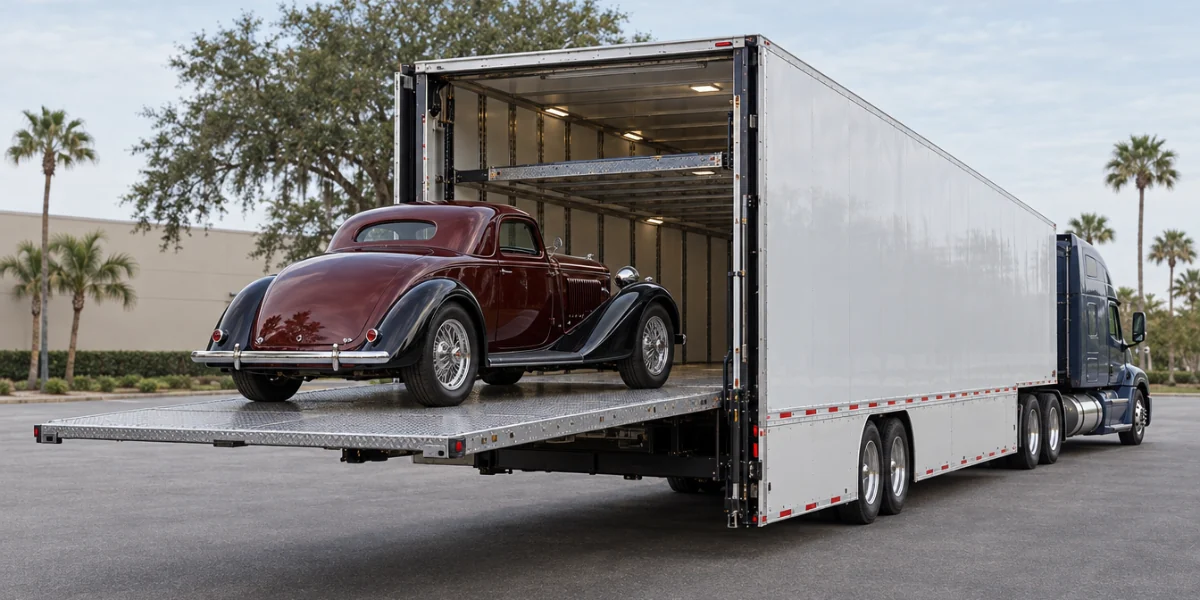
Rivalane coordinates door to door transport to Idaho with licensed, insured carriers. Pickup and delivery dates are estimates rather than guarantees, so leave room before your 30 days run out. Our pages on shipping a car from New York to Idaho and car shipping in Idaho cover the lane and deliveries across the state, and the car shipping calculator gives an estimate for the move.
Frequently Asked Questions
How do you register an out-of-state car in Idaho?
How much does it cost to register a car in Idaho?
Can you register an out-of-state car online in Idaho?
Who can do a VIN inspection in Idaho?
Do you need an Idaho driver's license to register a car in Idaho?