



This lane covers about 1,075 to 1,470 road miles, and cars typically reach Florida 3 to 5 days after pickup. Shipped open, a sedan from Providence to Miami typically comes to $800 to $1,250. In the fall, reserve two to three weeks out, and arrange Florida insurance first, because the title comes after it.
How Car Shipping From Rhode Island to Florida Works
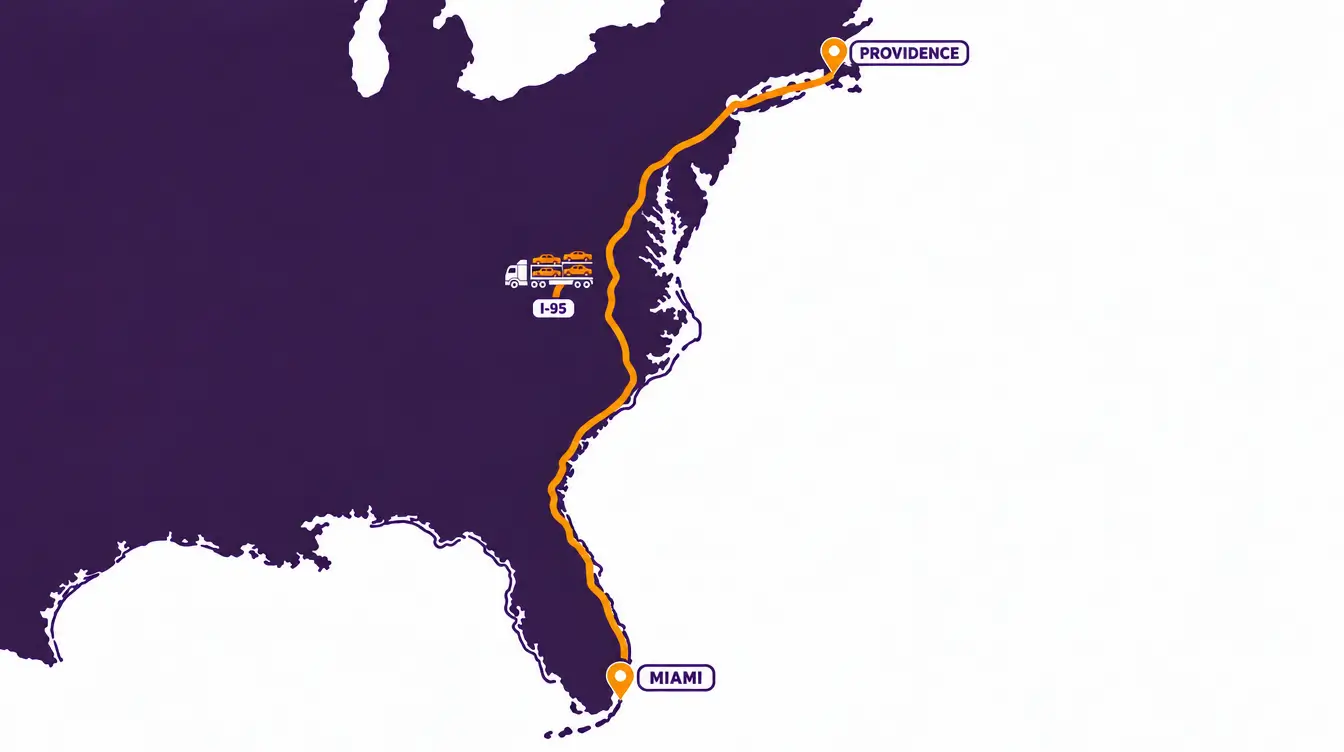
From the eight Rhode Island towns we measured, the distance to any one Florida city changes by only about 50 miles, so a car in Woonsocket, Westerly or Newport usually rides the same southbound flow as one in Providence. The load works down the Connecticut shoreline past New London, New Haven and Stamford, passes through New York City and crosses New Jersey before rolling by Wilmington, Baltimore and Washington. Through Virginia and the Carolinas the route passes Petersburg, Rocky Mount and Florence, and the halfway point of a Providence to Miami trip lands just south of Fayetteville, North Carolina. Cars for Miami, Fort Lauderdale and West Palm Beach keep to I-95 down the Florida Atlantic coast, by Daytona Beach and Fort Pierce, while Orlando cars turn inland on I-4. Cars bound for Tampa and Fort Myers turn off near Jacksonville and angle southwest past Ocala before picking up I-75, and Tallahassee loads head west on I-10 by Lake City. In car transport from Rhode Island to Florida, a carrier hauls several vehicles at once, so the date a southbound driver can fit your address into the run tends to matter more than the miles.
How Much Does Car Shipping Rhode Island to Florida Cost?
The pairs we measured run from about 1,075 road miles, Westerly to Jacksonville, up to about 1,470, Woonsocket to Miami. Every Rhode Island start sits so close to the others that the Florida destination drives most of the price.
On the Florida side, Jacksonville is the nearest delivery and Miami the farthest, roughly 345 miles apart. Orlando and Tallahassee sit about 1,255 to 1,280 miles from Providence and Tampa about 1,315, and the West Palm Beach, Fort Lauderdale and Fort Myers drops fall between 1,395 and 1,440. A Westerly pickup in Rhode Island saves about 40 miles over Providence, Woonsocket adds about 10, and Warwick, Cranston, Pawtucket, East Providence and Newport land within about 8 miles of the Providence number.
Size counts too. A compact sedan takes the least room on the deck, while a three row SUV, a crew cab pickup or a lifted truck uses more of the trailer and more of its weight allowance, and the quote rises to match.
Before accepting the cheapest offer, ask whether a driver has actually agreed to haul the car at that price. Listings set below the going rate can sit untouched while the pickup date slides, and a few days of slack in your schedule usually saves more than a bargain quote. The car shipping calculator turns your two addresses into a working number.
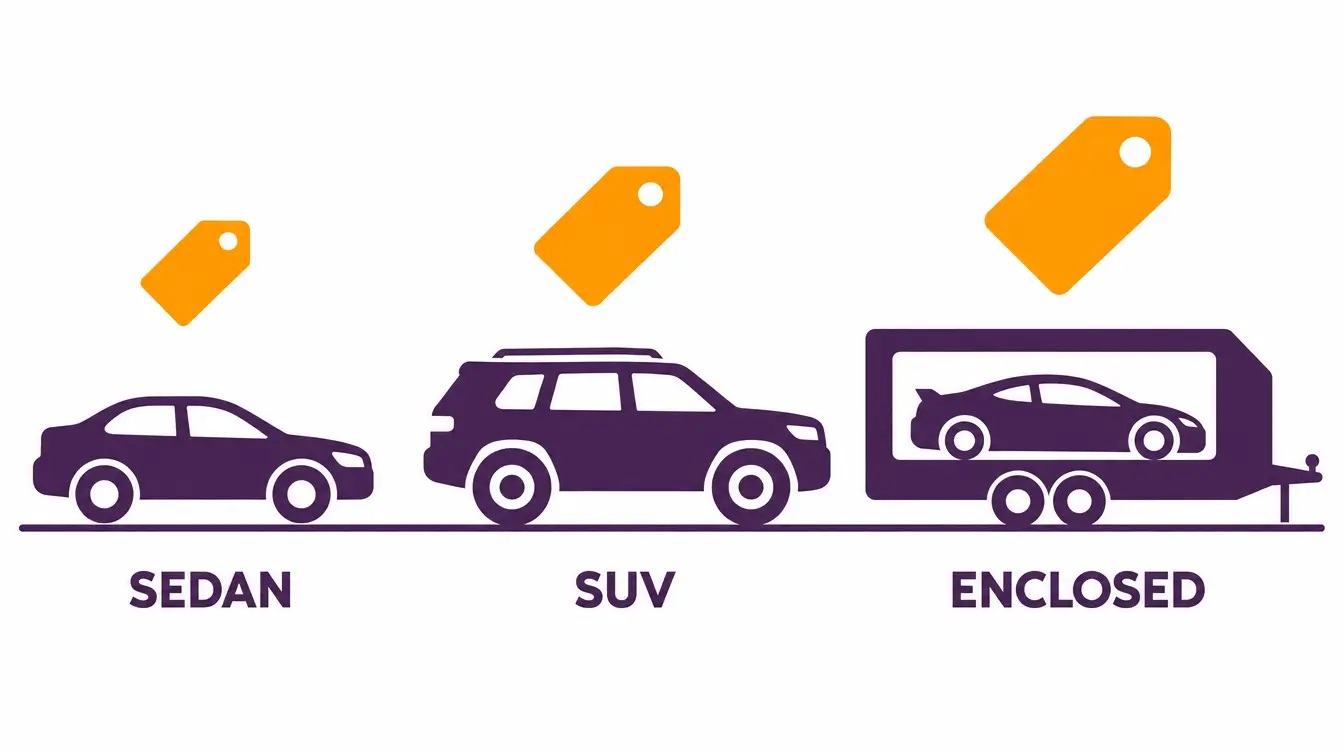
Expect to pay $800 to $1,250 to move a running sedan from Providence to Miami on an open trailer. Jacksonville and Orlando, the shorter runs, generally come in under the midpoint, with Miami, Fort Lauderdale and Fort Myers toward the upper end.
Large SUVs, full size pickups and vans add roughly $100 to $200. A closed trailer costs about 40 to 60 percent more than open space on the same pair.
Three factors shift a southbound Rhode Island quote the most:
- Season. Fall brings the snowbird rush on this lane, and southbound trucks fill first while owners send their cars down for the winter. Outside those months, room heading south is usually easier to book.
- Florida city. Jacksonville is the shortest run and Miami the longest, and gated streets and condo towers on the southeast coast often mean meeting the driver nearby rather than at the curb.
- Pickup street. Suburban driveways near Providence and Warwick load fast, while tight blocks in older neighborhoods or an island address near Newport can move the handover to a lot close by.
Be wary of any offer well under this band until a driver has actually taken it.

What Factors Actually
Influence Pricing on This Route?
Booking early protects your timeline, keeps pricing steady, and reduces the risk of last-minute carrier changes.
Many customers on this route relocate permanently or move seasonally, which makes predictability more important than speed.
This article explains how auto transport Alabama to New York works, what it costs, and how long it takes, so you can make a clear, informed decision before you schedule your shipment.


Type
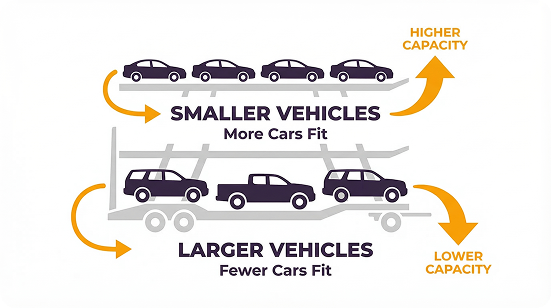
Size decides how much deck space your vehicle takes and how many other cars fit alongside it. A standard sedan is the cheapest thing to move because it slots almost anywhere on the trailer. SUVs, pickups and vans take more room and typically add a few hundred dollars on the same lane.


Is It Cheaper to Drive or Ship a Car From Rhode Island to Florida?
Shipping Instead of Driving
A snowbird who flies south each fall, a retiree settling in Palm Beach County and a Florida buyer who found the right car through a Rhode Island seller share the same problem: the car needs to be in Florida, and nobody can lose two or three days on I-95 getting it there. That is where shipping earns its fee.
There is no ride home to arrange either. A person who takes the car more than 1,000 miles south still has to fly back to Rhode Island, often after a night or two in a hotel along the way.
Driving the Route Yourself
Families moving south with the car, and with room in it for their bags, often spend less by driving. By the distance-cities calculator, Providence to Miami is about 23 and a half hours of driving, usually broken into two or three days of fuel, Northeast tolls, meals and motel rooms.
Things change when the car is the only traveler. Taking one from Woonsocket to Miami covers close to 1,470 miles, and the person who drove it then has to make that distance again, or buy a flight, to come home.
How Long Does Shipping a Car From Rhode Island to Florida Take?
Once it is on the truck, a Rhode Island car typically reaches Florida in 3 to 5 days. Westerly to Jacksonville, the shortest pair at about 1,075 miles, can wrap up at the quick end, while Woonsocket to Miami usually needs the full window.
The wait before loading is often the longer stretch. Dispatch has to find a southbound truck with an open slot, and that generally takes between one and three working days once you book, sometimes more during the fall rush.
Haulers usually cover 400 to 500 miles on a full driving day, so the roughly 1,461 miles from Providence to Miami work out to about three days on the road, plus time for the other cars aboard. A pickup window that can move by a few days shortens the whole trip more than anything else you control.
When is the Best Time to Book Auto Transport From Rhode Island to Florida?
Demand on this lane moves with the snowbird season. Bookings heading south pick up through the fall as Rhode Island owners leave for the winter, and with more cars chasing the same trailer space, quotes tend to climb.
A fall pickup is best reserved two to three weeks out. In the other seasons a week or two of notice is typically enough, and naming several pickup days lets dispatch use whichever southbound truck opens up first.
Leave some room in winter too. A storm along the New England coast can delay a pickup by a day or more, so flexible dates matter most between December and March.
Open vs Enclosed Auto Transport on a Rhode Island to Florida Route
Open transport carries most of these cars, on the two level haulers that work I-95 daily. Expect the car to pick up whatever rain and road film the trip throws at it, much as a drive south would, plus some winter salt if it leaves New England in the cold months.
With enclosed transport, walls and a roof cover the car from the Rhode Island pickup to the Florida curb. Those trailers carry fewer vehicles, which makes a spot pricier and harder to find once fall bookings pick up.
The extra cost pays off mainly on collectible, exotic or very low cars, and on fresh paintwork. Everyday commuters, family SUVs and the typical seasonal move ride in the open.
Enclosed Car Transport
Enclosed demand rises for high-value, specialty and seasonal vehicles, and enclosed trailers protect against road debris and weather, which matters most on longer hauls. Enclosed rigs are a small fraction of the trailers working any given lane, and that scarcity is what drives both the higher price and the longer booking lead time.
Open Car Transport
Most vehicles move on open trailers, and for most routes that is the more cost-effective way to ship a car.
Open transport works well for standard vehicles and keeps costs predictable. It also offers the widest carrier availability.
What Florida Requires When Your Car Arrives
These steps apply to new Florida residents, and the clock starts with residency rather than the day the car comes off the truck.
- Residency triggers. According to FLHSMV, you may count as a Florida resident once you are employed in the state, have children enrolled in its public schools, are registered to vote there, have filed for a homestead exemption or have lived in Florida longer than six consecutive months.
- Coverage comes first. Before titling, buy a policy from an insurer licensed in Florida carrying Personal Injury Protection and Property Damage Liability with limits of $10,000 or more apiece. Florida expects that policy to stay active through the whole registration period, wherever the car is kept and even if it is not being driven.
- VIN inspection. Someone authorized must see the car and confirm its VIN on HSMV 82040 or HSMV 82042. That can be an officer from law enforcement or the military police, a dealer licensed in Florida, someone who works for a county tax collector, or a compliance examiner with the Division of Motorist Services. Our guide explains Florida VIN verification step by step.
- Paperwork for the title. If the car is paid off, the packet is the original out-of-state title, ID for each owner, proof of the Florida policy and an HSMV 82040 signed by every owner. If a lender still holds the title, ask it to release the title to Florida; a refusal on lender letterhead still lets you apply for registration at a service center.
- Initial registration fee. Owners without a Florida plate in their name pay $225 the first time, and that first registration happens in person at a service center at the time of titling.
- Driver license. Florida wants you holding its driver license no later than 30 days after residency begins, and the application has to be made in person.
- The Rhode Island side. The Rhode Island DMV expects any registered car to stay insured and wants the registration canceled when the car stops being used there. Canceling online produces a confirmation email to keep. The DMV no longer takes canceled plates at the counter. Plates sent by certified mail or left in a branch drop box need the Affidavit for Cancellation of Registration plus a photocopy of a photo ID or the registration certificate. The Rhode Island registration cancellation guide walks through the timing.
Sources: FLHSMV guidance for new Florida residents together with its insurance and vehicle registration pages, and the Rhode Island DMV instructions for canceling plates. Rules at both agencies change, so check with a Florida service center close to shipping.
What to Expect at Pickup and Delivery
Agree on both meeting spots early, because a loaded transporter needs a broad street and space to swing around.
Across Rhode Island, newer subdivisions in Warwick, Cranston and East Greenwich usually leave room to load beside the driveway. Older Providence and Pawtucket blocks lined with parked cars, and island addresses around Newport, often push the pickup to a supermarket lot or a wider road a few minutes away.
Many condo associations and gated communities in South Florida keep full car haulers outside the gatehouse, so the car is usually handed over in a nearby plaza or on a public street. Suburban homes around Orlando, Tampa and Jacksonville tend to be easier, often with room right at the curb.
Before loading, you and the driver inspect the car together, and the condition report on the bill of lading lists every mark already there. When the truck unloads in Florida, go over the car with that report in hand before you sign, and keep the photos you took in Rhode Island as a second record.

Key Things to Know Before Shipping a Car From Rhode Island to Florida
Rivalane coordinates Rhode Island to Florida shipments from Melville, New York, pairing each car with a southbound carrier that can still fit one more vehicle as it passes through. Name the Florida city when you book, because Jacksonville and Miami sit about 345 miles apart, and keep your Rhode Island insurance until the registration is canceled, since the state expects a registered car to stay insured.
Frequently Asked Questions


