Step 1: Research and Choose the Right Car Shipping Company
Choosing the right car shipping company is the decision that shapes everything else about the move, so it is worth spending time on. Start with a reliable car shipping company.
What to look for in a car shipping company:
Reviews and Ratings Matter
Check platforms like Trustpilot and Google Reviews to see what previous customers have said. A company’s reputation often reflects its reliability. Look for detailed reviews about communication, pickup and delivery handling, and the condition of the vehicle on arrival.
Experience Counts
Choose a company with expertise in long-distance shipping across the country. Experienced companies have the right tools and know-how to handle long-distance logistics.
Compare Services
Decide between door-to-door delivery and terminal-to-terminal shipping. Door-to-door may cost more but saves time, while terminal-to-terminal offers cost savings at the expense of convenience.
Free Shipping Quotes
Most companies provide free online quotes. Take advantage of this to compare rates. At Rivalane, you can get a free shipping quote quickly.
Step 2: Understand the Car Shipping Process
Familiarizing yourself with the car shipping process helps reduce surprises and keeps you prepared.
Key Points to Consider:
1. Book Early: Busy seasons, like summer and holidays, often mean higher rates and limited availability. Booking early widens the pool of carriers running your lane and gives you more control over pickup dates.
2. Pickup and Delivery Options: Decide early if you prefer the convenience of door-to-door or the cost savings of terminal-to-terminal delivery.
3. Choose the Right Transport Type:
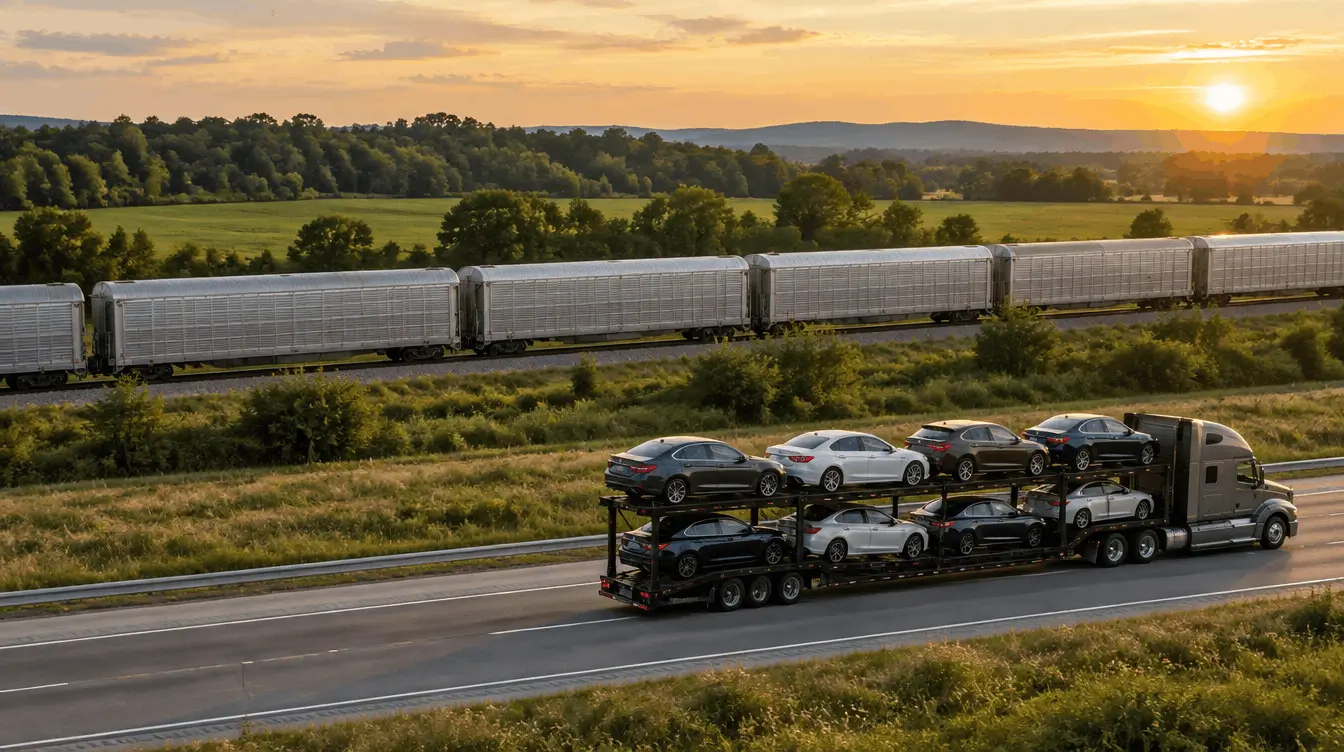
- Open Transport: The lower-cost option, and the standard choice for everyday vehicles.
- Enclosed Transport: Ideal for luxury or classic cars, offering protection from weather and debris.
4. Transit Times: A move across the country takes longer than a regional one, and the actual window depends on the route, weather, carrier availability, and how reachable both ends are. Ask for an estimated window when you book, and treat it as an estimate rather than a committed date.
5. White Glove Service: If you’re shipping a high-value car, consider a premium service like Rivalane’s White Glove option, which includes customized handling, secure placement, and delivery at your convenience.
Step 3: Prepare Your Vehicle for Shipping
Proper preparation ensures your car stays in top condition throughout the shipping process.
How to Prepare:
1. Clean Your Car: Washing the car helps you spot existing damage before shipment. Remove all personal belongings, as they’re usually not allowed in transit.
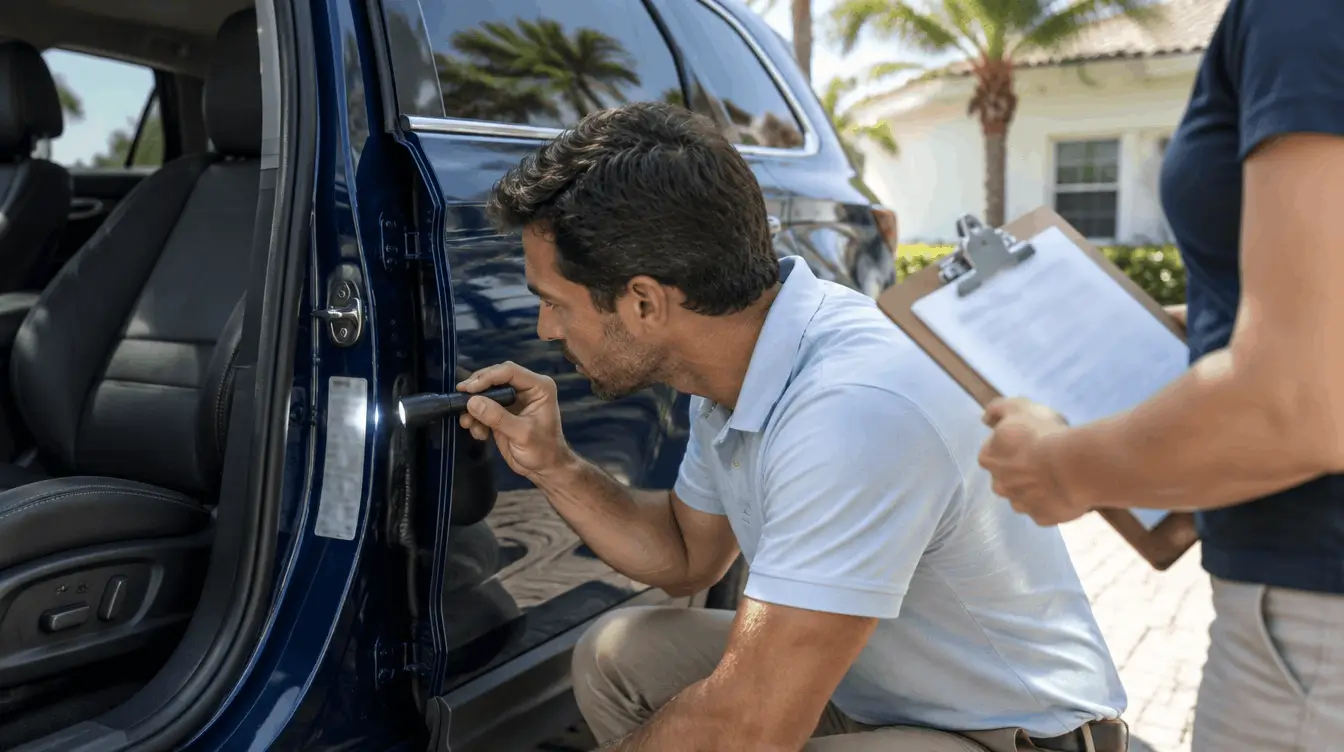
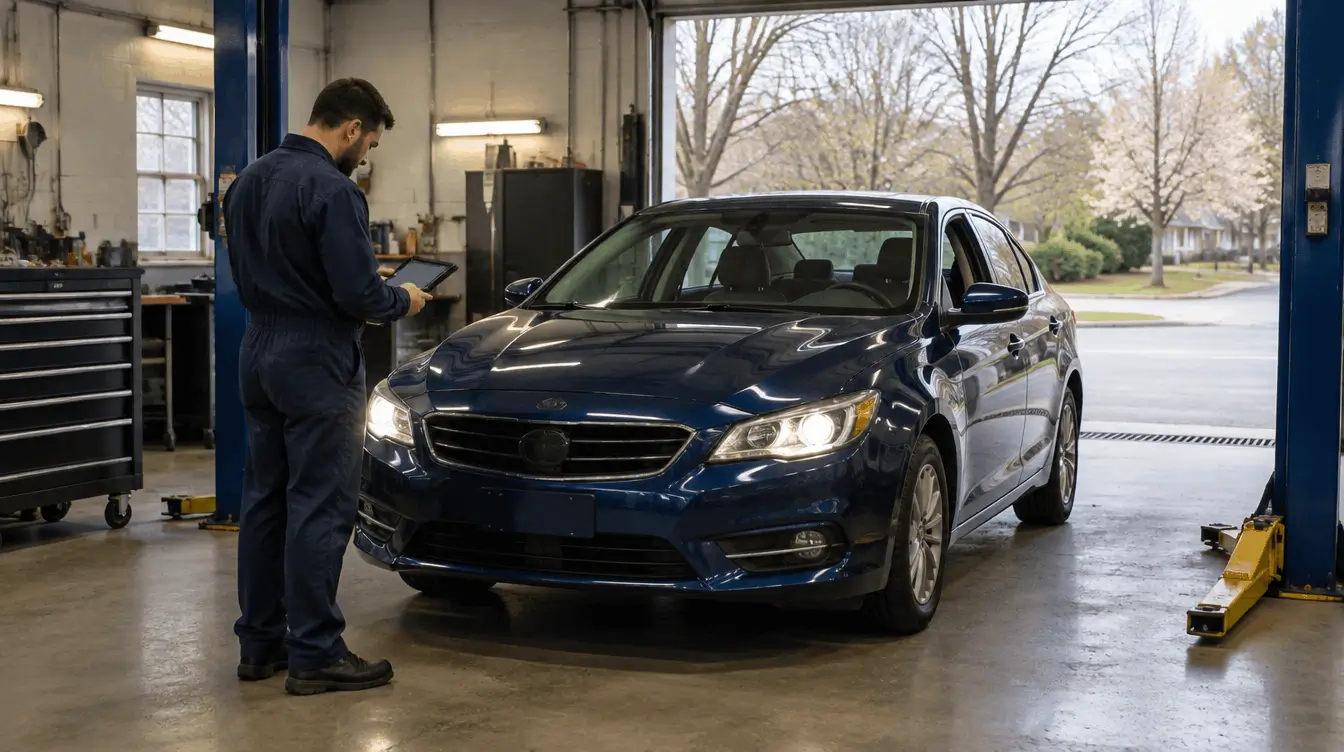
2. Inspect for Issues: Check for leaks and mechanical issues. Inform the shipping company about any problems to avoid complications.
3. Disable Alarms: This prevents interruptions during transit.
4. Reduce Fuel Levels: Leave about a quarter tank of gas; enough for loading and unloading but light enough to minimize weight.
5. Document Your Car’s Condition: Take clear photos from multiple angles and focus on any existing dents or scratches. These photos will be your evidence if you need to file an insurance claim.
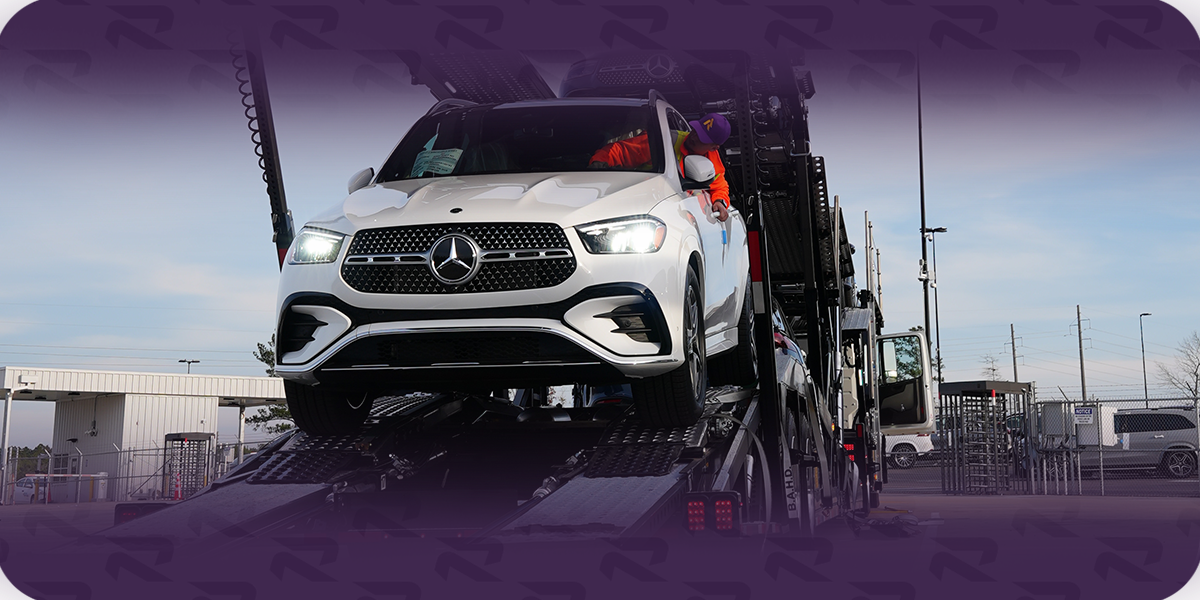
Step 4: Calculate the Cost of Coast-to-Coast Shipping
Understanding the factors that influence car shipping costs helps you budget effectively.
Key Cost Factors:
- Distance: Longer distances cost more, and a run between the two coasts sits at the far end of the domestic range. Distance is usually the single largest factor in a quote.
- Transport Type: Open transport is the more economical choice. Enclosed transport costs more because it uses specialized trailer space that carries fewer vehicles.
- Seasonal Demand: Shipping during off-peak times, like winter, can save you money.
- Additional Fees: Costs may increase for non-operational vehicles, expedited shipping, or remote locations.
Pro Tip: Request a detailed cost breakdown from your shipping company so you can see what each line covers. You can also estimate your route with the car shipping cost calculator before you request quotes.
Step 5: Insurance and Liability
Insurance in car shipping isn’t optional, and it shouldn’t wait until delivery day to get checked. Liability depends on the business model. If a company owns its trucks, its own policy usually covers the move. If it operates as a broker, the carrier assigned to your vehicle is the one whose insurance applies during transit.
Rivalane is a licensed transport broker, USDOT 4178374 and MC-1608310, registered with the FMCSA as a Broker of Property. It does not own trucks or employ drivers. Rivalane arranges your shipment with a vetted carrier, and that carrier’s insurance is the policy that applies while your vehicle is on the truck. You can read more about who covers your car and who pays a claim.
Always ask for the carrier’s insurance copy before pickup. It shows limits, damage coverage, and exclusions. Long runs across the country deserve extra attention because more distance means more loading changes, weather shifts, and tighter timing windows.
Step 6: What to Expect Upon Delivery
Your car has arrived, and now what? Follow these steps to make sure everything checks out:
- Inspect the Vehicle: Compare the car’s condition to your pre-shipment photos. Look for new scratches, dents, or damages.
- Mileage Check: Make sure the mileage aligns with what you recorded before shipment.
- Complete Paperwork: Sign off only after you’re satisfied with the condition of the car.
Final Thoughts
Shipping a car from the West Coast to the East Coast is a long move, but it is a manageable one once you know what each stage involves. Planning ahead is what keeps the process predictable.
Start by selecting a reputable car shipping company, then work through each stage in order, from booking to the final delivery.
Prepare your car well, be mindful of the season and the pricing, and choose the right type of transport service.
Handled that way, you can manage costs and logistics without surprises, and your vehicle arrives at its destination in the condition you sent it.
Contact Rivalane when you are ready to plan your shipment.
Frequently Asked Questions
Is coast-to-coast car shipping more expensive in certain seasons?
How long does a West Coast to East Coast car shipment take?
Can I save money with flexible delivery timing?